
172453146_quick_tip_400.jpg

Tip of the Week: Take a Screenshot in Windows 10

172453146_quick_tip_400.jpg

There is one key on the keyboard that might seem a little odd: PrtSc. It’s not immediately obvious what this key does or why you would want to use it, but we assure you that it is an extremely helpful keyboard shortcut once you understand how it works and why you might want to try it out. In reality, the PrtSc key is important for taking screenshots on your Windows device.

Windows has a lot of keyboard shortcuts, but PrtSc is perhaps one of the easiest to carry out. When you hit the PrtSc key, Windows will take a screenshot of your computer’s monitor, allowing you to save it as an image.

There are many practical reasons for taking screenshots, many of which you might not have considered. Let’s go over your options for taking screenshots on your Windows device.

Why Take Screenshots?

Screenshots are incredibly helpful for a variety of reasons, one of which is to help IT support determine what the root cause of your technology troubles is. Basically, it lets them see what you see on the screen so they can check off boxes for more common fixes before diving into more technical issues. Screenshots are also helpful for documentation purposes, allowing you to put together guides for workflows and processes for more visual learners.

The PrtSc Key

When you hit the PrtSc key, you might notice that there are no pop-ups or anything that appears on-screen to show that you have taken a screenshot. Basically, the PrtSc key captures an image of your desktop screen and copies it to the clipboard as an image. You can then paste it like you would if it were copied or cut text. The problem with this is that it takes a screenshot of the whole screen, not just one part of it, so for more focused screenshots, you have to get a little more creative.

Snip & Sketch

This solution is built right into Windows 10 and allows you to snip specific parts of your screen for a screenshot. To use Snip & Sketch, use the keyboard shortcut Shift + Windows Key + S. There are some options here: Rectangular Snip, Freeform Snip, Window Snip, and Fullscreen Snip. Pick whichever you think best suits your needs. Your selection will then be saved to the clipboard in the same way as PrtSc, allowing you to paste it into an application or edit it in the Snip & Sketch tool.

Third-Party Services, Applications, and Extensions

There are some third-party tools and applications that you can use to take screenshots that let you capture specific parts of your screen in much the same way Snip & Sketch allows. These other solutions may be perfectly effective for taking screenshots, but you should clear any of them with IT first just to make sure that the solution is one that is allowed on your network. Plus, you might already have better tools available to you, so it never hurts to confirm with IT before going all-in on a screenshot tool; and, of course, you have us to fall back on as well!

So, how are you going to use screenshots to take your business to the next level? Let us know in the comments, and be sure to subscribe for more great tips and tricks.

191230366_wi_fi_400.jpg

The Correct Wi-Fi Setup Can Really Enhance Your Business

191230366_wi_fi_400.jpg

Just about all modern businesses rely on the Internet—especially the wireless kind—for at least part of their day-to-day operations. This means that there is a direct correlation between the strength and speed of their connection and the amount of productivity they can experience as a result of this connection. As your business grows, it is incredibly important to think about your Wi-Fi setup and how you can support its continued growth. Let’s go over the process for properly scaling your wireless network to accommodate its growth.

Identify What Your Needs Are

Your business needs to scale its Wi-Fi solution in the way that best addresses its current shortcomings and limitations. Therefore, you must make a concerted effort to understand your current needs and goals. Consider factors such as how many users will need the network at any given time, how the traffic will be dispersed throughout the office space and across the network, and how much bandwidth these processes will take up.

Once you have these details ironed out, you will be in a much better position to make the appropriate changes to your network. This might include access points, bandwidth, or connectivity.

Establish Your Current Capabilities

Before making any other changes to your Wi-Fi network or adding any access points, you should first determine what you can accomplish with your current setup. A site survey should give you a decent idea of where you stand in this regard, and with this baseline for your existing technology’s performance, you can move forward with intention. You should have information on how many devices you can expect to host at maximum capacity, as well as where the dead zones in your office are located.

While adding access points can help address dead zones, it is considered a best practice to minimize the number of access points your business’ Wi-Fi connection has. This is done for the simple fact that it cuts down on interference and decreases the security risks. A Wi-Fi analyzer can help you place your access points in a way that maximizes coverage without interference.

Furthermore, if you can use wired connections, it might be worth doing so to further minimize your bandwidth challenges.

Adjust Your Existing Connections

You can also adjust the range that your access points can reach, providing your business with enough signal without extending it into the surrounding areas. Proper use of these features can keep unauthorized users from accessing your wireless network. You can also slightly extend your wireless signals just beyond your location’s walls, such as into your parking lot, a secondary building, or other locations as needed.

Do you have any questions about extending your wireless network? NuTech Services can help. Just give us a call at 810.230.9455 to learn more.

453804245_alert_attack_400.jpg

The OnePercent Group: A Slightly Different Approach to Ransomware

453804245_alert_attack_400.jpg

A recent trend even amongst ransomware threats is that the FBI is issuing warnings regarding how dangerous it is or how difficult certain variants are. This particular threat—the OnePercent ransomware gang—is no exception. Let’s break down what you need to know about the OnePercent Group and how you can prepare to handle attacks not just from this threat, but most ransomware threats.

What is the OnePercent Group?

The OnePercent Group is a ransomware gang that has been targeting companies since November of 2020. The gang sends out emails in an attempt to convince users to download an infected Word document in a ZIP file. These types of social engineering tactics are surprisingly effective, as people often impulsively download files sent to them via email without thinking to check the sender or the source.

How Does the Threat Work?

Instead of encrypting data found on the infected device, this threat uses macros embedded in the Word document to install a Trojan horse threat on the user’s device. This threat, known as IcedID, is used to steal financial information or login credentials for banking institutions. Furthermore, IcedID can download other types of malware onto the user’s device.

Of particular note is that it can install another type of threat called Cobalt Strike, which is a penetration testing tool. Why would a hacker want this, you ask? It’s simple; it can be used to make a hacking attack that much easier and more efficient by identifying potential pathways for threats on the user’s device.

What’s the Timeline for the Attack?

Using the threats outlined above, OnePercent Group can get a lot of dirt on your business in a relatively short amount of time. After they have collected this information, they issue a ransom note demanding that the victim pay up within a week or risk their data being released online. If the victim refuses to pay up, the group pesters the victims through email and phone calls to pressure them into taking action. If the victim still refuses to pay, they release 1% of the data on the Dark Web. Further resistance leads to the group selling the data to other data brokers on the Dark Web to be sold to the highest bidder.

It just goes to show that as soon as you think you know a threat, they switch things up and try something new. While it can be stressful keeping up with the countless threats found in the online world, it sure is never boring.

Secure Your Business Today

Don’t let the fear of ransomware keep your business from functioning the way it’s supposed to. NuTech Services can help your organization secure its infrastructure and other critical data. To learn more, reach out to us at 810.230.9455.

374847019_technology_business_400.jpg

Read This to Learn How Technology Can Help You Build a Better Business

374847019_technology_business_400.jpg

With so much competition in business today, it’s no surprise that companies are always looking for the next big thing to get ahead. One way these companies can improve operations and kick their businesses up a notch is through the use of the right technology. With the right IT on your side, you can make a significant difference between yourself and others in your chosen industry.

Improved Potential for Productivity

When you implement a new solution or upgrade to a new technology, there needs to be some sort of benefit to doing so. Otherwise, there is no point in implementing it. The technology implemented to improve productivity might vary by industry or business type, but the productivity benefits are universal. To start taking advantage of these benefits, consider your company’s weak points and think about products that you can implement to solve them.

Enhanced Communication Options

If you can improve communications, then you can effectively improve your business. Whether it is the internal communications you use between departments or the external ones used to contact customers and vendors, the right communication tools are incredibly valuable. If you can make these processes easier, the experience on both the employee and consumer sides can be improved dramatically.

Better Opportunities to Satisfy Customers

Customer service is another major part of running your business that technology can aid with. Fulfillment can be made much smoother and more efficient, and with the right tools, organizations can provide customers with even greater support options. For example, chatbots, service portals, ticketing systems, automated phone systems, and so on can all improve the customer experience.

Decreased Capital Expenses

Technology provides businesses with the opportunity to convert capital expenses, which are generally unpredictable in nature, into predictable and stable operational expenses. This means that you won’t be dropping huge amounts of cash at a time and instead are taking advantage of smaller, more manageable payments, freeing up money in the budget for other opportunities.

If you can effectively leverage the right technology tools, your business will surely see improvements in its operations. NuTech Services can help you with every stage of the technology implementation process, from conception to procurement to management. To learn more, reach out to us at 810.230.9455.

163296888_secure_data_400.jpg

4 Simple Tips to Secure the Data on a Lost or Stolen Device

163296888_secure_data_400.jpg

With remote work still widely in place, the idea of lost or stolen devices has many companies terrified. Due to this security issue, you must consider what you might do should someone lose track of one of your company’s devices. Here are four ways that you can take preventative measures to ensure that lost or stolen devices don’t become a major security risk for your business.

Utilize Multi-Factor Authentication

First, you want to make sure that whoever finds your device cannot access any of the data found on it. Multi-factor authentication is valuable in this regard, and regardless, it just makes sense to have it enabled. With multiple measures keeping your device secure, like a PIN and a biometric authentication, you should have little trouble with security. Some multi-factor authentication methods also use a secondary device or account that can be just as effective for securing your device.

Turn On Location Services

Most devices have access to location services within their settings, so it’s important that you have these enabled. If you ever lose the device, the enabled location services settings should allow you to locate them, or at least give you an idea of where the device might be. Oftentimes this ballpark estimate is enough to help you figure things out, or at least narrow down the possibilities for where the device could be.

Back Up Your Data

In the event that you cannot locate or recover your device, you will want to know with certainty that your data is safe, even if you have to remotely wipe the device to keep said data safe. This is why we recommend that you always back up your data, even on a mobile device. The last thing you need when dealing with a device that is lost or stolen is data loss, too.

Utilize a Mobile Device Management Tool

We understand that you don’t want to think about what would happen in the event you lose a device, but it’s still something that you must consider. We can help you prepare for such an event through the implementation of a Unified Threat Management tool from NuTech Services. With our comprehensive mobile device management platform, you get all of the features above, plus some. It’s a great opportunity to optimize your odds of success should you lose a device.

If you take nothing else away from this article, we hope that you at least remember that the best way to combat a lost or stolen device is to adequately prepare for it. To learn more about how you can do so, reach out to NuTech Services at 810.230.9455.

388007290_online_meetings_400.jpg

Innovations to Video Conferencing is Changing the Way Businesses Meet

388007290_online_meetings_400.jpg

Voice chat and communication via telephone may have been the norm for years, but these days, video conferencing has really taken off in popularity. With remote and hybrid work still trending worldwide, now is as good a time as ever to reconsider the features of your video conferencing solution. Let’s take a look at some of the features that you should look for when implementing video conferencing.

Screen Sharing

Key to any presentation is going to be screen sharing functionality. This feature lets you share your screen, including any content on it, with whoever happens to be in the meeting. For any business professional who must make a presentation during a meeting, screen sharing is a necessity.

HD Video

It just goes without saying that your video conferencing solution should have high-quality video. This is for your benefit as well as anyone taking part in your meeting. Higher quality video just makes for a more enjoyable experience for all.

Chat Functionality

The chat plays a vital role in any meeting. Not only does it give people the ability to contribute to the conversation who might otherwise not feel comfortable speaking up, but it also allows the audience to feel like they are interactive during the meeting, making it more active and thus more engaging as a whole. The chat feature can include the ability to send files, media, emojis, and more.

Recording Features

There will inevitably come a time when someone important is going to miss a meeting, and that meeting will be critical to keep them informed about something or another. In this case, it helps to have the ability to record your meetings and store them in the cloud for access at a later time. This also helps when you just need a reminder of what was discussed during the meeting.

Performance Reports

Your video conferencing solution should have the ability to gauge interaction and effectiveness, as well as methods to track attendance. You can then use these metrics to adjust how you use your video conferencing tool. For example, if people are not enjoying your slideshow format for a presentation, you can take steps toward making them more enjoyable.

If all of this sounds great, then don’t waste any more time. Give NuTech Services a call at 810.230.9455 today to discuss how you can improve your business’ video conferencing solution.

322037789_insider_threat_400.jpg

You Need to Reduce Your Exposure to Insider Threats

322037789_insider_threat_400.jpg

One of the most difficult things to do in business is to imagine a scenario in which someone you trust puts your organization at risk. We focus so much on the external threats that the internal ones often go unnoticed. How can you make sure that your organization does not fall victim to the several different types of insider threats out there? Let’s take a look.

Insider threats are more difficult to identify due to the fact that identifying them means figuring out which network activity is acceptable and which activity is not. Gartner identifies four types of insider threats, many of which don’t necessarily have malicious intent. In fact, some are just byproducts of gross negligence for network security and rules. Here are the different types of insider threats and why they are so dangerous.

Those Who Are Tricked

Gartner identifies this category as the “pawn,” or those who are tricked into becoming complicit with a hacker’s desires through the use of social engineering or phishing schemes. In this case, the insider threat is unaware that they are being taken advantage of by the hacker.

Those Who Cooperate

There are some insider threats who cooperate with third parties to disclose sensitive information or trade secrets. This type of threat, called the “collaborator,” is dangerous in that they can leak important information with the express intention of harming your business for their own personal gain.

Those Who Make Mistakes

Some folks just don’t take security seriously, a mindset that leads them to make mistakes while trying to avoid adhering to company policy. These workers are placed in the “goof” category, or those who let their arrogance and negligence lead them to make mistakes. Goofs might make choices that benefit themselves at the expense of the network’s security.

Those Who Act on Their Own

While many insider threats do emerge in part due to the efforts of others, there are some who simply act on their own. These threats are called “lone wolf” insiders, and they are especially dangerous if they have high-level access to sensitive information. While their reasons for acting may vary, this does not excuse their behavior, as they are actively working against the organization they are a part of.

NuTech Services wants to help your business protect itself from all types of threats, be they insiders or external. To learn more about how we can secure your business, reach out to us at 810.230.9455.

299035271_ransomware_400.jpg

Read This if You Don’t Believe That Ransomware is a Major Problem for Businesses Like Yours

299035271_ransomware_400.jpg

You’d think that cybercriminals would use ransomware to target high-profile businesses with loads of money to extort, but this is not always the case. Even a small business can fall victim to these particularly devastating threats. Ransomware, just like other threats out there, has continued to evolve and adjust its approaches based on the current cybersecurity climate, so what are some of the latest developments in ransomware?

In No Uncertain Terms, Ransomware Has Grown More Dangerous

In order to be effective, a cybercriminal must capitalize on the challenges that small and medium-sized businesses face. For example:

  • Cybercriminals frequently rely on deception in the form of phishing. Using phishing attacks, a cybercriminal bypasses the protections a business has in place by taking advantage of their employees in order to gain access to the business’ network.
  • A lack of communication between departments makes issues even greater. A lack of communications between a business’ departments can exacerbate the risks to be seen from cybercriminals.
  • Smaller businesses don’t always have the resources needed to prepare their team members. Unlike corporations, SMBs likely don’t have a dedicated budget for cybersecurity training, and almost certainly can’t afford the salary of a dedicated security professional on-staff.

In addition to these opportunities, today’s cybercriminals can exploit the following:

Automated Threats

The power of automation has allowed many businesses to streamline certain processes, but the same can also be said for cybercriminals. They no longer manually attack individual targets, instead opting to leverage automation for widespread attacks with the smallest amount of effort. The extortion part of ransomware has also been completely automated, as evidenced by Avaddon, a ransomware variant that proudly displays a list of companies that have been infected right on its Dark Web listing, as well as flaunting a countdown to when the data will become publicized.

Ransomware as a Service

Believe it or not, cybercrime is a legitimate business model in the sense that people can and will put together teams of developers and commission-based structures for their services. Ransomware as a Service is just one way that has surfaced, providing hackers and criminals with the means to pull off ransomware attacks with ease. With these types of services being so accessible, it’s no wonder that there is a major cause for concern out there about cybersecurity.

Layered Extortion

Ransomware attacks often target the same individuals or companies more than once, sometimes charging the victims even more or forcing them to pay up with a threat of the data being leaked if they do not do so. Unfortunately for businesses, this approach is more advanced than it has been in the past. Here is a snapshot of what the extortion process looks like:

  • The victimized business is instructed to pay for their access to their encrypted data to be restored.
  • Hackers release the data they’ve stolen if the ransom isn’t paid.
  • Denial of Service attacks are used to take down a victim’s website.
  • The cybercriminals responsible reach out to the targeted business’ customers, partners, employees, and the media to inform them of the hack.

These tactics have made it hard to say no to ransomware and have drastically improved the success odds for cybercriminals.

You Need to Be Ready to Resist Ransomware

Ransomware can be devastating if you let it create problems for your business, so don’t take any risks with it. Make sure that you are working with cybersecurity professionals who can help you take the fight back. To learn more about security and how to keep it from becoming a problem for your business, reach out to us at 810.230.9455.

53441664_windows_400.jpg

Microsoft is Gearing Up to Retire Windows 8.1

53441664_windows_400.jpg

With Windows 11 releasing sometime this year, most users are looking to upgrade to hardware that actually supports it, but today we are instead focusing on upgrading away from one of the more controversial of Microsoft’s recent operating systems, Windows 8.1. With its end-of-life date creeping up in January 2023, it’s never too early to start thinking about how your company will move away from this operating system toward a supported one.

Windows 8.1 is Only Kind of Windows 8

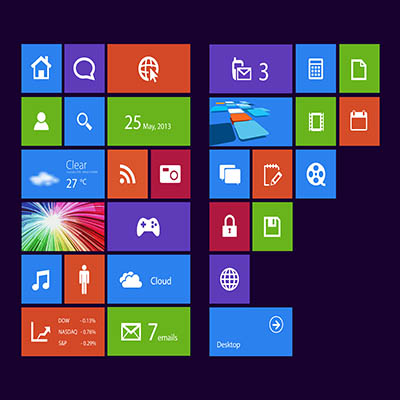
Windows 8 first released in August of 2012, and it was first described as “metro” in an attempt to appeal to the mobile market. Windows 8 was specifically designed to work with touchscreen devices and PCs, but its initial rollout caused a bit of confusion amongst the user base. Many people simply stuck to Windows 7, as they were more used to the traditional Windows operating system. Microsoft grew frustrated with the fair amount of criticism the OS received and released a huge update to the OS in 2013 that restored many of the features that people loved about prior Windows operating systems, including the coveted Start menu. This update was called Windows 8.1 and became the working version of Windows 8 for the better part of the past decade.

The initial version of Windows 8 had its end-of-support date set for January 12, 2016, ending all support for that version of the operating system by that date. Windows 8.1, however, was much more popular, thus Microsoft set an end-of-life date for January 2023. Windows 10 launched two years after the 8.1 update, meaning that most people took advantage of the free upgrade, leaving only about 3.5 percent of all PCs running Windows 8.1. If this is the first you are hearing about the end-of-life event for Windows 8.1, this is probably why—it’s not like the Windows 7 end-of-life event, where the install base was much larger.

What You Need to Know

If you currently run 8.1 on your device, you should consider upgrading to Windows 10 now. On the other hand, if you think your hardware can take it, you could wait to upgrade to Windows 11 as it rolls out later this year into next. Either way, however, you need to start thinking about it now, as that January 2023 end-of-life event for Windows 8.1 will creep up on you before you know it. Waiting any longer after that will leave your technology susceptible to security risks.

Why Is It Important to Only Use Supported Software?

Each new version of the Windows operating system adds additional security updates and features that are designed to tackle the problems associated with today’s computing environment. If you don’t upgrade your software on a regular basis, your organization will fall behind and eventually be put at risk due to the overwhelming rate at which security threats grow. Any business that utilizes sensitive information (read: all businesses, basically) must make it a priority that all software used by the company is supported by the software developer.

The IT professionals at NuTech Services know what it takes to keep your software as up-to-date and secured as possible. We can even help your company make the upgrade to a supported operating system or utilize legacy applications without a hitch. To learn more, reach out to us at 810.230.9455.

325778648_employee_quitting_400.jpg

3 Ways to Keep Your Business Secure When Employees Leave

325778648_employee_quitting_400.jpg

Turnover happens in the business world. It’s just a matter of when and how often it happens, as well as how your organization responds to it. If your company fails to address certain parts of the turnover process, it could have negative consequences that must be addressed. We’ve put together three ways that you can be sure former employees do not cause you trouble when they leave, particularly in regards to staffing and cybersecurity.

Understand Why They Are Leaving

The first step toward taking appropriate steps to secure your business is to understand why the employee is leaving. Are they feeling frustrated for some reason? Did they get a better offer that you can’t compete with? Were they potentially hired by one of your competitors? Knowing these things will help you gauge whether or not the employee will pose a threat upon departure, as well as revisit particular aspects of your business that might prevent turnover in the future.

Are There Hard Feelings?

While it’s not particularly likely to happen, it goes without saying that an employee with a sour attitude toward your business might use what they know to negatively influence you after departure. This is why it’s incredibly important to clear the air before employees leave, especially if they are a known agitant within your ranks. Take the time to sit down with the employee and learn more about them, why they are leaving, and resolve any unaddressed issues that might be lurking just below the surface. Employees who know that their frustrations are valid and validated will be less likely to act in the way addressed above.

Remove Access to Important Data and Accounts

A recent article by TechRepublic reported that one in four employees still have access to accounts and data after leaving their positions with a company or organization. This is obviously not okay, as employees who are simply not okay with leaving your organization, such as those who are terminated, might be tempted to log into their accounts and cause a little trouble before letting the door hit them on the way out. To this end, it is incredibly important that you document all of the accounts that your employees set up and which data they can access. You can then revoke those privileges after they are officially gone.

Keep in mind that you don’t want to delete these accounts right off the bat; you might still need data hosted on their desktops or in their cloud storage. It should suffice to just deactivate the account and hand over privileges to access said data to someone else within your organization who will need it.

Even if you do not suspect that any employees who leave your office might have ill intentions, it is still best to monitor those accounts and ensure that they are not being accessed in ways that seem suspicious. After all, threats can come from the most unlikely places. If you are looking to secure your network and ensure your organization is protected, reach out to NuTech Services at 810.230.9455.

222596225_3_step_process_400.jpg

A Simple 3-Step Process for Implementing New Business Technology

222596225_3_step_process_400.jpg

Technology has always been ingrained in the operations of businesses to an extent, but it was only recently (in the grand scheme of things) that standard business technology such as desktops, server units, and other computing hardware really started to take off. That said, it’s now a staple, so your organization should be making informed decisions regarding any new hardware that you implement.

It all starts with having a solid IT implementation strategy. Here are some ideas to consider for your own business technology strategy.

Identify Pain Points

Technology must be integrated into your business with intention. Otherwise, there is a good possibility that you are making your network more complex unnecessarily. As a best practice, the less complex your organization’s infrastructure, the easier it will be to maintain, monitor, and secure it. Businesses all face different challenges, so the first step toward identifying the intention for your new business technology is to identify which pain points your organization hopes to solve as a result of implementing this new technology.

Ask yourself, “What challenges does my business face today?” Your answer will determine which problems you want to solve.

Moving Forward with Intention

The next stage of this implementation process is determining how your chosen solution will solve the pain points addressed in the first step. With so many technology solutions available to modern businesses, how can you know which one is the best solution to your dilemma? As always in business, nothing is clear-cut. There could be multiple solutions to the same problem, all of which address it to varying degrees.

Ask yourself, “How does my chosen solution solve the specified problem?” If you can answer this question, then you know that the solution is one that you should seriously entertain.

Implementing the Right Solution

Once you have ironed out the details for the solution you want to implement, the final step is to determine what it takes to actually implement said solution. This might include a business needs analysis or a breakdown of the costs, as well as who will be responsible for working on the solution. In other words, you’ll need to work out how you are affording the solution, who is implementing it, and the timeline for said implementation.

Ask yourself, “Do I have the means to implement this technology?” If the answer is yes, then you can move forward with confidence.

Get Started Today!

At NuTech Services, we understand that technology can make or break your business’ operations in a profound way. On one hand, great technology solutions give your staff access to tools that make their jobs easier and more efficient. On the other, know that it takes considerable knowledge and technical expertise to implement solutions in a way that aligns with your organization’s strategic plan. Let us help make the process easier so you can focus on what matters most: running your business. To get started today, reach out to us at 810.230.9455.

152122323_innovation_400.jpg

Technology Can Replace These Office Conventions

152122323_innovation_400.jpg

With so many changes in the office environment over the past several decades, it’s no wonder that some of the staples from way back when are no longer crucial to the success of any organization. Technology has driven many conventions of the old office environment into extinction, rendering them obsolete and, in some cases, pretty much pointless to keep around. Here are just a few ways that technology has replaced some of these conventions.

Filing Cabinets

If you have been in business for a while, chances are that you have accumulated filing cabinets that fill up with paper documents faster than expected. They have traditionally been used to keep files safe and in a convenient storage location, but the truth of the matter is that these cabinets are far from convenient these days.

The cloud has enabled the use of document storage systems that put filing cabinets to shame. These systems offer digital environments to safely store documents, and due to the electronic nature of the files, they do not take up massive amounts of physical space in your office. Furthermore, these systems offer search capabilities that will make you never want to sift through a filing cabinet again.

Conference Room Gatherings

When you have a small workforce, it’s easy to call a meeting for the entire office. When you have a larger workforce, especially if you have remote employees, it’s not easy to fit everyone in the same old conference room you used to use for this purpose. Thankfully, technology has made it easier than ever to schedule meetings, even for those who have crazy schedules and meetings that last for hours on end.

Video conferencing software gives businesses the ability to hold much larger meetings without filling an amphitheater, instead administering meetings virtually from just about anywhere. These video conferencing tools also have schedule and calendar integration that can inform you who can make it to the meeting and who can’t.

Traditional Work Desk Accommodations

Your employees’ daily tasks generally revolve around completing tasks at their work desk. While they may have duties that pull them away from time to time, the majority of their work will be done from the comfort of their desk. At least, that’s how things used to be. Nowadays, the trend is moving in the direction of remote work, or at least a more mobile type of work situation.

Remote technology gives businesses the capabilities to equip employees with technology that allows them to work from any location with the right solutions. The pandemic has proved that businesses do not need their employees in the good ol’ brick and mortar office in order to stay functional.

Landline Telephones

Landlines are a relic of the past in the modern office environment. Adding new handsets can be a pain, especially if your infrastructure is dated and was built for a staff much smaller than your own. It might involve running new wires throughout the office which can be both time-consuming and costly. Modern business technology comes to the rescue here, as well.

Voice over IP systems give organizations another way to eliminate unnecessary costs and outdated technology by letting you use your Internet connection for telephony services rather than traditional telephone lines. Plus, it comes with other features that are expected of business telephone solutions, so you are not leaving any value on the table by implementing these solutions.

Need a Hand with Implementation?

If you would like some assistance with updating your infrastructure for a more modern office feel, NuTech Services can help. We can equip your company with all of the tools you need to take your business to the next level. To learn more, reach out to us at 810.230.9455.

124754493_shortcuts_400.jpg

Windows Shortcuts to Help Boost Your Efficiency

124754493_shortcuts_400.jpg

Some keyboard shortcuts work within applications, but there are others that work all throughout the Windows operating system. To help you be as productive as possible throughout the workday, let’s go over some of the most common keyboard shortcuts that work not only within your applications, but whenever you are just navigating your operating system. If you use these effectively, you can dramatically improve your productivity and look like a Windows master!

With all of our keyboard shortcut blogs, we think you will get the most value out of them if you print them out and keep them as a quick reference for use throughout the workday.

General Keyboard Shortcuts

These general keyboard shortcuts should work for the majority of applications that you use on your Windows PC.

  • Cut: Ctrl + X
  • Copy: Ctrl + C
  • Paste: Ctrl + V
  • Select All Text: Ctrl + A
  • Rename selected item: F2
  • Switch between open applications: Alt + Tab
  • Refresh: F5
  • Delete an item: Delete
  • Redo an action: Ctrl + Y
  • Undo an action: Ctrl + Z

Windows Key Shortcuts

These keyboard shortcuts use the Windows key on your keyboard.

 Open the Start menu: Windows Key

  • Lock your computer: Windows Key + L
  • Hide or show your Desktop: Windows Key + D
  • Open the Action Center: Windows Key + A
  • Open Cortana in listening mode: Windows Key + C (Note: this is disabled by default. Enable it in your Settings)
  • Open File Explorer: Windows Key + E
  • Open Settings: Windows Key + I
  • Open the Search bar: Windows Key + S
  • Open Taskbar Applications: Windows Key + Number Key (whichever corresponds with the apps in your taskbar)
  • Minimize all windows: Windows Key + M

This list is not nearly all of the keyboard shortcuts possible with Windows, so if you want a more comprehensive list, visit the official Microsoft support page for even more keyboard shortcuts.

What other tips and tricks do you want us to share with you in the future? Whatever they are, be sure to plug them in the comments below.