
325701375_burnout_400.jpg

Don’t Let Burnout Overcome Your Business

325701375_burnout_400.jpg

It can be said that most of 2020 and the first couple of months of 2021 have been difficult for most people. Not billionaires, of course, but most other people have found the past year difficult on some level. That’s why it isn’t surprising to hear people talk about workplace burnout. Today, we’ll define burnout and what is being said about it. 

What Exactly is Burnout?

You probably already know or at least have seen cases of burnout. If someone starts laughing maniacally, screaming uncontrollably for no apparent reason, or crying silently while they sit at their desk, you are probably looking at a case of burnout. Burnout is the feeling of helplessness, frustration, and exhaustion you get when you have had enough.

Some cases of burnout go away quickly, while others fester and stay around for months. Burnout makes a person cynical or even apathetic and is not a good thing to have around your business. With the burden of burnout, you can unwittingly create a toxic work environment. Keeping this from happening should be a priority. 

Spotting Burnout Amongst Your Team

If you want to catch burnout before it creates workplace toxicity, you will need to pay attention. The best way is to have regular conversations with your staff and honest conversations with yourself. By dedicating a few minutes to self-evaluation, you can help identify the triggers that can make all the difference between getting the burnt-out party the help they need before it can negatively affect your workplace culture.

Today, with so many people surely feeling like they are losing control over things in their lives, the risk of burnout is greater than ever and needs to be mitigated so that negativity doesn’t seep into your office and cause more problems. One way to accomplish this is to establish some consistent and predictable routines to be followed in the office, emphasizing control, and decreasing the potency of employee burnout.

Resolving Burnout

If you plan to prevent this type of thing from happening in your office, you have to respect that anyone that is feeling stressed or tired or angry could have a negative impact on your business. The human mind is complex and extraordinarily capable, but it won’t always be able to deal with everything that is thrown at it. 

If you or a member of your staff is on the verge of burning out, you will want to take some time to sort through the issues that are making you feel this way. On an organizational level, incentivized collaboration and other support incorporated into the workday can help prevent burnout even further.

Have you had problems with feelings of exhaustion from just being too stressed, being stretched too thin, or having too many demands on your time? Leave your stories in the comments section below and return to our blog soon for more great content.

280929582_automation_400.jpg

Automation Can Bring a Your Business Serious Value

280929582_automation_400.jpg

Today’s business is always searching for a leg up, and this often means doing what it can to improve their operational efficiency. Companies can approach this in several ways. They can try to cut out redundancies, they can invest in training, or for many businesses, it means leveraging innovative new technological tools that are designed specifically for this purpose. 

Let’s Define Automation

Automation is the process of utilizing technology to take the repetitive and often mundane tasks off of your workers’ plates. This frees them up to focus on revenue-generating activities. Since technology is getting more sophisticated, it can now do more, thereby making your business more efficient. Businesses that successfully automate certain tasks will often see boosts in productivity as their workers are more engaged as they can do what you’ve hired them for in the first place.
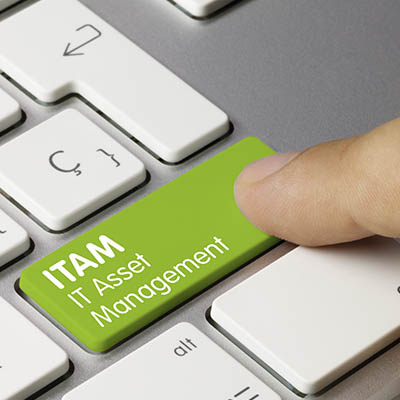
Implementing Automation

When looking to utilize automated tools to cut down on human responsibilities, a business has a lot of places to choose from, but typically it is used as a support structure to improve the efficiency of all those little tasks that up until recently humans were responsible for. This has led many people to claim that automation is the main reason people are being cut out of the workplace. Studies show that there is some truth to this theory, but when applying automation to just handle the tasks that no employee wants to do, it benefits both the company and the workforce. 

Let’s take a look at some of the benefits of employing automation in your business:

Improved Customer Support

One of the most important aspects of your business is how you interact with your customers. Unfortunately, it can be expensive. Using automation to cut down the cost of support is a great plan. Using AI-fueled chatbots for online support and automated menus for your phone support can provide a lot of value, while also providing the support and transparency your customers demand. 

Ensured Compliance

You can always depend on your staff to find better ways to do things. They don’t want to waste their time making tasks harder than they need to be. Unfortunately, as they try to be the most productive and efficient, it can cause problems with any compliance regulations that your business operates under. By deploying automated solutions you can ensure that your operations meet compliance standards every single time. This allows your staff to focus on their job and reduces the chances that they may get creative and hurt your business’ chances of meeting compliance standards. 

Enhanced Business Communications

Much of business is a dance. There are so many parts of it moving at once that all it takes is somebody to miss a step for the whole thing to go horribly wrong. Automating scheduled communications can have a lot of benefits. Not only will it keep people that work in your business on point, it can provide customers a sense of value. This can also help prospects get the information they desire while also working for your sales and marketing teams to be able to schedule appointments without conflicts or follow up after a sale or inquiry. 

Automation will be a big part of business going forward, and the experts at NuTech Services can help you leverage the tools that fit your business. Give us a call at 810.230.9455 today to learn more about how automation can benefit your business.

142775337_improve_business_400.jpeg

How to Improve Your Business with Solid IT Practices

142775337_improve_business_400.jpeg

Technology is important to most small businesses today, especially when looking to improve it affordably. That’s why when making technology decisions, you should consider the following solid practices.

Coordinate Uniform Procedures and Processes

Your business should always try to find technology that works for all (or a majority) of your employees. The reason is that data isn’t always interchangeable and will have problems being transferred in some cases. Take Microsoft Word. If you copy and paste text from Microsoft Word to Google Docs (and vice versa) the formatting is affected in the document. This is a small issue, of course, but if your company depends on this type of technology, selecting one that works for your business will standardize things as well as likely be more affordable than using multiple pieces of software to do the same thing. 

This strategy is also solid for managing your internal data. Having consistency with the way your procedures are created and managed gives your team the best chance of collaborating effectively. 

Prioritize Security

Security has to be a point of emphasis for every business. This means physical as well as virtual security. You need to get the tools to protect your business and its employees, but you also need to train your staff on the best practices to keep your business’ assets secure. This means training them in positive password hygiene and how to avoid being phished, while also deploying the tools that will work to reduce their exposure to threatening situations. Only a combination of solid tools and best practices will work with the amount of active threats there are out there. 

Promote Mobile Solutions

Mobility is a growing consideration for most businesses. A lot can be done from outside the business, but in order to get the most out of available mobile technology, you will need to manage mobile access to company resources. For the SMB, the best way to do that is to build a Bring Your Own Device (BYOD) policy that works to give your staff access to the data and resources they need, but also allows you to manage mobile access to ensure that your data and digital assets aren’t in danger of theft or corruption.

If you would like to learn more about some of the best practices you should be adhering to, visit our blog or give our expert technicians a call at 810.230.9455 today.

355723052_new_innovation_400.jpeg

Older IT Practices That Still Hold Up

355723052_new_innovation_400.jpeg

While looking to the past isn’t often an idea tied to information technology, there are times when it can play a valuable role in your strategy for it. Let’s look at some modern IT concepts that rely on foundational ideas set back in the day.
Securing Your Business Hardware

Ensuring that your business’ hardware infrastructure and other tools are secured is the opposite of a new idea. Access controls have been utilized on a need-dictated basis ever since door locks were invented.

However, with so much more being handled electronically, the hardware solutions necessary for many standard operations nowadays are just too expensive for many businesses to manage and maintain for themselves. This is where the cloud has shown considerable value, allowing access to the hardware needed to support these processes without the associated costs of maintaining and running them. Furthermore, this makes a business’ resources inherently more secure—if a disaster were to strike its location, the resources aren’t exposed to any risks.

The Motivation Behind Adopting IT Solutions

Many businesses may look at their information technology as tangible proof of their capabilities, not realizing that seeing their IT as evidence of their success is fundamentally misunderstanding the purpose IT solutions have in a business setting.

Any good IT resource will tell you that it is their job to not only maintain functionality for businesses operating with the help of technology, but to identify the best ways to maximize the impact this technology has. Basically, your IT resource should act as a resource to help you do the most with as little as possible.

Handling Threat Management

While threat management was once entirely a responsive action, modern threat management is geared toward a significantly more proactive approach that works to identify and resolve weak points in a network before they’re taken advantage of. With end users still posing significant risks, properly training them to conduct themselves in a secure way will help to greatly reduce the severity of threats that come your way.

While businesses have access to better technology solutions than ever before, a lot still hinges on how well these solutions are used. NuTech Services is here to help implement the tools you need and make sure you get your value out of them. Give us a call at 810.230.9455 to learn more about what we can do for you.

247512628_IT_challenges_400.jpg

2021 is Poised to Hold Some Big IT Challenges to Overcome

247512628_IT_challenges_400.jpg

Considering that 2020 was… less than great for many businesses, it should come as no surprise that there will likely be difficulties that carry on for some time into 2021. Naturally, these difficulties will require some new ideas and fresh thinking to properly resolve, as well as an openness to adopting innovative technologies. Let’s look ahead to some of the IT challenges we anticipate that 2021 will hold for businesses.

Reconsidering Where Work is Done

Before the events of 2020, the approach that businesses took to remote work (if any) effectively boiled down to enable 20 percent or so of their workforce being capable of working out-of-office while the remaining 80 percent stayed in the office. Once the various issues and events of 2020 came about, however, these trends effectively flipped for many—if not transitioning to remote entirely.

As a result, companies have needed to make various changes to not only enable their team members to work productively from home, but also to do so safely… a need that will not go away throughout 2021.

Depending on the device that a user is working on—and more specifically, who owns the device in question—different security protocols and processes need to be put in place. Remote monitoring and management will be crucial to continue, especially if remote work of any scale remains once the pressing need to work remotely passes.

Ensuring Uptime and Resisting Burnout

Taking the surge in remote work strategies into consideration, the matter of preserving productivity becomes another particularly pertinent topic to discuss. Uptime becomes the key word, as anything less than 100 percent is seen as a shortcoming… after all, if a business can’t provide that for its clients and customers, the trust that they’ve built up is going to diminish considerably. By maintaining their uptime, the business can instead take advantage of that trust in different ways that advance its operations.

With such an uncertain year just behind us, businesses will need to ensure that these clients can trust in their services.

Furthermore, to accomplish this fully, a business also must ensure that its team members are prepared to deliver these services as needed. This makes work fatigue and burnout a serious threat. To help minimize the potential for this outcome as employees are working from home, the solutions that they’re using must be reliable enough to avoid the chance of exacerbating employee frustration.

Reexamining Budget Allocation

Finally, with business finances in flux after the last year, the investments that businesses make into their tools will need to be reconsidered and adjusted to optimize them. This will require an examination of each solution’s return on investment and how well it serves its intended purpose.

This means that 2021 will likely see some shifts in how businesses invest in cloud-based services as compared to locally hosted solutions, and what level of priority is given to advanced technologies like artificial intelligence and other similar solutions.

From where we stand now, 2021 stands to be a year of shifts and shakeups—make sure that your business has the support it needs to make it through. NuTech Services can help. Find out what we can do to assist your operations by calling 810.230.9455.

252220513_tech_development_IT_400.jpg

Lessons to Learn From Lego’s IT Development

252220513_tech_development_IT_400.jpg

Businesses of all sizes have been able to successfully overcome operational challenges by rethinking and adapting the technology they utilize. Let’s consider a huge example and look at what The Lego Group (as in the building blocks) has done to address some of their technological challenges with improved solutions—as well as how your business can do the same.

The Lego Group’s Situation

Sharing their story at the AWS re:Invent virtual conference, The Lego Group revealed that their online presence and its Direct Shopper Technology team was encountering issues… particularly when their traffic was spiking during sales events and product launches, reaching levels 9.5 times what was typical and with a 200-fold increase in transactions. Back in 2017, the release of the largest building set to date (the Star Wars™ Ultimate Collector Series Millennium Falcon™ set, with 7541 pieces) and the resulting traffic on launch day effectively shut down the back-end of their website and overwhelmed the sales tax functionality that called back to their on-premise infrastructure.

This made it so that visitors would only see the website’s maintenance page.

This event proved to the company that some changes had to be made, as their growth simply couldn’t be supported through their on-premise solutions and the limited scalability they could offer. Furthermore, making these changes could allow the company to focus more on their customers’ experience on the website, rather than focusing on basic upkeep, while also giving them the resources to adapt to such demand spikes and capitalize on innovation.

Lego’s Growth Trajectory

Lego began their transition to cloud services in 2018 with the migration of their sales tax calculator and three additional processing services. Ten months later, the company had a serverless platform that was capable of everything its on-premise infrastructure could do, and soon after, the cloud had overtaken their on-premise capabilities with new records being established each month.

As of July of 2019, The Lego Group has been able to triple the number of engineers under their employ through remote operations and adopt 36 more serverless services, utilizing automation and monitoring to ensure that issues could be identified and addressed promptly. This approach has also allowed Lego to shift their attention from maintenance to developing new features that will help to further improve their service and the customer experience that results from it.

What Does this Have to Do With You?

While admittedly scaled up considerably, Lego’s transition to the cloud serves as an effective case study for any business that is experiencing IT challenges, as it demonstrates how much a company can grow and innovate by simply taking advantage of the technology that is available.

The best part is that this is the case for businesses of effectively any size—from a consumer retail and manufacturing giant such as The Lego Group to the small mom-and-pop shops who sell the construction sets that Lego produces. Of course, these capabilities also expand outside of the retail industry, with the potential to benefit a company that operates in effectively any vertical where its operations are concerned.

NuTech Services is here to help you put the technology that can benefit your business into place, ensuring that any operational issues are addressed and that all opportunities are embraced. To find out more about the solutions we use to accomplish this, make sure you reach out to us by calling 810.230.9455.

378464120_best_practices_400.jpg

Tip of the Week: Essential Information Technology Practices

378464120_best_practices_400.jpg

Information technology is a critical tool for many businesses today, which means \\it is crucial that your IT is compliant to a few key best practices. Let’s go over these practices so that you have a roadmap to ensure that your operations can remain secure and productive.

Keep Your IT Up-to-Date and Maintained

Here’s the thing: you wouldn’t drive a horse and buggy to the office any more than you would type up a business brief on a typewriter or calculate your business’ budget on an abacus. The reasoning for this is simple: technology has gotten better over time and provided us with improved alternatives to what has been used before. These improvements have also come faster and have been more dramatic in scale.

On the other side of this coin, threats to your business technology have seen similar advancements.

As a result, your operational success depends on you keeping up with these changes. In addition to maintaining the operability of your IT solutions, you also need to prioritize updating and upgrading them when the time comes. These activities will both ensure your team can perform their tasks, and that they are also capable of doing so securely.

Back Up Your Data

With data being so important to a business’ successful and productive operations, you need to have insurance that some circumstance won’t cause you to lose your access to it—especially with so many circumstances potentially leading to that outcome. Infrastructure damage, theft, user error, equipment failure, and more can all lead to data loss at any level.

This is precisely why a backup solution is so important for a business to maintain. With no way of accurately predicting how or when data loss may strike, having some means of preserving your data continuity needs to be considered an essential consideration… arguably above any other. To accomplish this, we recommend that your backup strategy incorporate multiple copies of your data, with a minimum of three copies included. First should be the original copy of your data, second should be an onsite backup, and the rest should be hosted offsite—preferably in the cloud. That way, all your bases are covered, whether you need a quick fix for a deleted file or need to reconstruct your entire infrastructure.

Secure Your Data

Finally, data security must be addressed by all businesses, regardless of their size. Cybercrime nets more profit for its perpetrators than the global trade of illicit drugs does, and an average of 75 records are stolen each second. A bank account is currently available for a few dollars, provided you know where to look.

Businesses are often targeted via phishing attacks, which are only made more effective due to many user accounts having more access than is warranted and internal storage lacking the appropriate security protections. If they manage to fool one of a business’ employees into letting them in, a cybercriminal is given considerable power.

To help counter this, there needs to be a combined effort to both better educate business users as well as reinforce the security measures built into the infrastructure itself. Authentication requirements, role-based permissions, and other means could help prevent some data from being leaked that otherwise could be.

Lean on NuTech Services for assistance in putting these measures—and more—in place.

For our help and more information about your business’ technology, give us a call at 810.230.9455.

374774087_employee_monitoring_400.jpg

Clearing the Ethical Hurdles of Employee Monitoring

374774087_employee_monitoring_400.jpg

Employee monitoring—the practice of keeping an eye on your employees and their computer activity during work hours—isn’t exactly a new practice. However, with remote work suddenly seeing a huge boost in popularity, many businesses have sought to confirm that their workers are spending their work time as productively as possible. If you do choose to go this route, however, it is important to be aware of the lines that you cannot cross.

Monitoring Employees Without Their Knowledge

We figured it would be most appropriate to discuss the no-go option first, which would be to start monitoring your employees without their knowledge or consent. As you would imagine, this is the shadier side of the monitoring spectrum, and is actually illegal in most cases. Unless you have reason to believe an employee is actively acting out and are investigating them, you are not allowed to use monitoring software to keep an eye on your team without telling them.

So, as much as I hate to have to say it, don’t do that. Instead, inform your team of your intention to monitor their systems, what you will be monitoring, and—most crucially—why. This is the real key. Transparency is the most important thing to have with your employees. Studies have even shown that this kind of transparency makes your team more comfortable with these kinds of arrangements.

Monitoring Employees While They Aren’t Working

Again, with so many employees working remotely, it may be tempting for many employers to just continue monitoring these devices even after work hours have ended. It’s one less thing to worry about that way, right?

Wrong. 

What if the employee ends their day or takes a break, and decides to log into their bank account to check in on their finances? You could easily capture sensitive information without meaning to, putting you on the hook in the legal sense. To avoid this, you have a few options you can exercise. Your first option is to simply ban employees from using work technology for personal matters. Your second option is to enable your team members to turn off the monitoring software when they are not actively working.

Not Making Use of Your Monitoring Data

A big part of ethically monitoring your employees comes down to your intent, your motivation for doing so. Are you looking to improve productivity by identifying inefficiencies and bottlenecks? Great. Are you ensuring that there are no data leaks that need to be mitigated? Fantastic. Are you simply using it to make sure that your employees are at their desks working? There are better ways to account for that.

Employee monitoring should always be a means, not the end. Whenever you implement it, it needs to be in service of a specific goal. When used in this way, and not just because you want to keep a closer eye on your team, it can bring some significant benefits.

NuTech Services can help bring these benefits and more to your operations. To find out how our team can help you implement and manage the technology your business needs supporting it, give us a call at 810.230.9455 today.

197866824_email_inbox_400.jpg

Become an Email Champion by Spending Less Time Dealing with Email

197866824_email_inbox_400.jpg

Email is important, but it seems to steal so much of your valuable time, doesn’t it?

Conquering your never-ending inbox can seem like a feat all in itself—let alone having it done before lunchtime. There’s an easier way, and when done properly, you’ll be able to spend less time sifting through your email and more time on the more important stuff.

Make Your Inbox Do the Work for You

You’ve got better things to do than organizing and prioritizing your emails manually. Granted, you’ll still need to respond to important emails, but most email clients have everything you need to set up a system that automatically parses and sorts emails based on a whole slew of different factors. It will take a little time, and likely a few rounds of adjustments to get your inbox to work the way you want it to, but we’re going to show you the tools that will help get you there.

Most businesses either use Microsoft Outlook, or Google’s Gmail, so we’re going to cover these two email platforms.

Gmail’s Labels and Filters

If you use Gmail, there are two tools that you’ll want to get familiar with: Labels and Filters.

A label is exactly what it sounds like. Applying a label to an email will essentially categorize it. If you used to use Outlook in the past, think of these as Folders (we’ll get to Outlook next).

You can organize labels based on a wide variety of topics—maybe you have a label for each project you are working on, or a label for different types of correspondence (invoices, reports, employee evals, etc.). Organizing your email into labels makes it easier to pull up specific emails later without having to rely on searching for them. More than one label can be applied to any particular email.

To create a label, just select Create new label in the sidebar (hidden under the More link) in Gmail or select the Tag Icon Box that appears when an email is selected. You’ll be able to select any labels you already have or create a new one. You’ll also be able to color-code each label.

But remember, we want to save time, so instead of having to manually move emails to a label, you can create filters to automatically apply labels to certain types of messages. Once you have some labels created, go to Settings, and click the Filters and Blocked Addresses tab. Once there, select Create a new filter.

You can also start this process by doing a Search from the top of your Gmail. Click the little dropdown arrow in the search box at the top of your email, and you can fill out the form to search for specific emails. You can create filters based on who the email is from, what email address the email is sent to, the subject line, words within the email, and more. 

If I wanted to send all correspondence from Bob to a certain label, I’d just put his email in the To: line and click Create Filter. Then Gmail will allow me to choose what to do to all emails from Bob. I could star it to make it stand out, apply a label, or a variety of other options.

Microsoft Outlook’s Rules and Folders

Microsoft Outlook’s process is pretty similar. Instead of filters and labels, Microsoft calls them rules and folders. Here are the steps to set up new rules:

  • Right-click the message and select Rules, then, select Create Rule.
  • Then you need to select the conditions that activate the rule, and what that means. 
  • Make sure you select Run this new rule now on messages already in the current folder (if you wish) and click OK to finalize your rule.

This means that you will need to have a folder to file these messages in. While the option will be presented to you as you create a rule, you can also set up your folders separately in advance.

  • In the Mail pane, right-click where you want to add your folder and select New Folder… from the menu that appears.
  • Name your folder, and press Enter.

It takes time to build all of the rules (or filters) you need to streamline your inbox, but it will ultimately save you hours of time that would otherwise be wasted sifting through your inbox by hand. It’s all about becoming more efficient!

For more tips and tricks, bookmark our blog, and if you need help with your technology, give us a call at 810.230.9455.

363971145_hackers_ahead_400.jpg

What You Need to Know to Stay Ahead of Hackers in 2020

363971145_hackers_ahead_400.jpg

Let’s face it, it is nearly impossible for the modern business to stay ahead of every cyberthreat. It is just too much to proactively ward against. Today’s best practices will try to keep your network from being breached and your data from being stolen, but they may just allow you to understand how your network was breached and how your data was stolen. Unfortunately, cybersecurity is not foolproof, but let’s look at a few strategies you can use to improve your chances of holding onto your data and keeping unwanted actors out of your network. 

Strategy #1 – Know the Value of Your Assets

By knowing the value of the data you hold, you will be able to properly prioritize how to protect it. Since IT experts have to create cybersecurity strategies based on how much harm can be done to your operational integrity and reputation, it’s good practice to know what assets hackers would be after if they were to breach your network defenses. 

Strategy #2 – Stay Proactive

One of the best ways to protect your network and infrastructure from security threats is to be proactive in your efforts to protect them. You’ll want to develop a response plan that is created with the worst-case scenario in mind. That way as soon as there is a cyberattack, you will know how to react and what strategies to take to mitigate the problem. 

Strategy #3 – Train Your People

One thing is certain, a well-trained staff will do more to protect your network and data than any other solution. The “all-hands-on-deck” strategy to cybersecurity will minimize the frequency and severity of cyberthreats by nearly 50 percent, so ensuring that all of your people know how to spot abnormalities (especially phishing attacks) can save your business a lot of time and money. 

Strategy #4 – Keep Innovating

One thing is certain, cybersecurity is as much about staying out in front in terms of tools and strategies as it is about being hyper-aware of potential problems. Sure, knowing how to react to a data breach or successful phishing attack is important, but the more that you understand how these hackers are coming at your business, and putting tools and strategies in place to thwart those attacks, the more secure your data and resources are going to be going forward.

Cybersecurity is a long game and if you want the best team in Michigan helping you come up with strategies and outfitting your business with the tools it needs to keep hackers at bay, give NuTech Services a call today at 810.230.9455.

36314071_IT_400.jpg

How Companies Will Need IT as They Return to Workplaces

36314071_IT_400.jpg

As the pandemic enters its third quarter, many places have the spread of the COVID-19 virus under control and are starting to open up offices and other workplaces. Ultimately, it is the business owners’ and managers’ decision whether or not to demand attendance in an office, as most jobs completed in one can be effectively completed from home. For businesses that are opening their office and inviting their employees back, technology is still going to play a significant role. Let’s take a look at what IT is going to be important for people returning to the office after all this time.

It’s true that there are a lot of businesses that rely on their workforce to show up every day. Many of these businesses were forced to shut down or operate at limited capacity during the pandemic but are just now getting up to speed. Outside of operations, there are a lot of administrative uses of technology, some of which involve protecting employee and customer information. Let’s get into some of the strategies that businesses can use to get the most out of their workforce at this time. 

Remote Operations

Ironically, until this whole COVID-19 mess is over with, the most prudent decisions are going to be made using technology that supports remote work, even if you’ve mandated employees to work at your place of business. Not only does it remove physical interaction of your staff to protect them from contracting potentially dangerous viruses, it protects clients as well.

This strategy includes the use of internet-based tools and substantial training initiatives. According to an IMB survey just over half of remote workers during the pandemic were actually trained to protect work-related resources, so making employee training a priority makes sense. 

Hybrid Operations

There’s a saying, “You have to crawl before you walk.” It means that you have to work up to something. If you already have a remote workforce and you are looking to get them to move back to the office or the workplace, you should start implementing a strategy that gets people in waves. The most important thing is to prioritize employee health during this time, as any COVID-19 outbreak could make it difficult for you to conduct business at all. 

In regards to the IT deployment, this strategy is probably the most resource intensive because you have to both be cognizant of your network security inside your business, while also keeping abreast of how your remote workers are using your computing resources. 

Onsite Operations

Getting back to “business-as-usual” will be nice, and if you can accomplish it now, that’s great. It’s just not a strategy many businesses can support at this juncture, especially if they feature open office spaces and shared bathroom facilities. IT management is simpler for IT administrators when everyone is in one location and on the same page. 

Regardless of what your plans are for your human resources, you need to ensure that everyone understands how to mitigate the numerous types of threats your business faces each day. To talk to one of our security professionals about your business’ situation, call us today at 810.230.9455.

206101585_cybersecurity_400.jpg

Cybersecurity Needs to Shift for Businesses to Survive

206101585_cybersecurity_400.jpg

With some motivation from the ongoing COVID-19 pandemic, many businesses are adjusting their approach to cybersecurity. Typically, businesses would take a more measured approach in their day-to-day security improvements, while swiftly acting if there was any kind of clear and present danger. While this proved effective, the current situation has now shifted priorities over to maintaining resilience. Let’s examine some of these shifts, and how an advantage can be gained through a consistent cybersecurity strategy.

The Changes We’ve Witnessed

For such an… eventful… year, it started off with little anticipation of the events to come. Businesses had ample time to plan their 2020 technology budgets, but most (if not all) of these budgets were postponed (if not thrown out the proverbial window) with the spread of COVID-19.

As if this wasn’t bad enough, cybercriminals are typically quite opportunistic, and so many took advantage of the crisis at hand to strike. Exacerbating this issue even further, many businesses saw their security budgets as a candidate for budget cuts and borrowing funds. Due to these circumstances, these businesses had weakened security measures during the time that strong security would be needed the most.

However, industry analysts have found the events that have followed somewhat surprising. While security spending was cut by many, the investments that remain are still mitigating attacks. In fact, data breaches fell by a full third during the first half of 2020.

Naturally, many businesses are now wondering if the large investments they were making into their cybersecurity were actually helping them all that much.

Don’t Abandon What Works

Before we go any further, we wanted to take a moment and identify a few security investments that—despite the shifting viewpoints on cybersecurity spending—should not be sacrificed:

  • Endpoint protection – There are policies that you need to have in place, like those that secure your network’s entry points, in order to keep threats out of your business network. Cybercriminals now have some very sophisticated means of gaining access, which means you need to be able to detect, identify, contain, and neutralize these attacks.
  • Employee training – Nowadays, phishing attacks are one of, if not the, most popular cyberthreats out there today. If you want to keep your network and the data it stores sufficiently secure, you need to make sure your employees can both identify a phishing attempt and address it appropriately.
  • Encryption for remote connections – Remote work has become a very popular option, but this makes your security as you implement such a strategy no less important. Implementing a trustworthy remote access solution or installing an enterprise VPN will help to protect your business as you continue its operations.
  • Mobile access management – The smartphone is now an essential business tool, but it is used even more for personal use. Therefore, it is crucial that you have the protections in place to secure these devices.

With these technologies supporting your security, you can maintain your productivity without putting your resources and data at risk.

How to Move Forward

With so many businesses now tightening their belts and their budgets, it’s a safe bet that we’ll see emerging strategies that integrate what we have learned in the recent past with the limited finances that organizations have access to today. In short, we’ll see far more cost-efficient cybersecurity platforms coming to the fore. We’re confident that these platforms will commonly feature a few strategies:

  • Building unified resilience – Which sounds easier, protecting a few disparate departments or protecting an entire business with consistent security practices? Obviously, the latter. Establishing a universal strategy can help reduce overhead spent on support as well as encourage a more continuous business.
  • Improving cyber hygiene – Many organizations lack a sufficient system to properly manage the different levels of access their digital resources should require. Implementing such a system can provide operational benefits to all levels of the business that does so.
  • Focusing on cooperation – While the pandemic has separated many from their coworkers, it has also demonstrated how crucial it is for departments to work together to accomplish the business’ goals. In the same vein, keeping up a standard of shared security responsibility makes it harder for bad actors to successfully strike.

One thing is abundantly clear: cybersecurity needs to be a major focus point from here on out, even more so than it was before. NuTech Services can help you implement the protections you need. Reach out to our experts today by calling 810.230.9455.

57808106_keep_records_400.jpg

Improve Your Business With These Documentation Practices

57808106_keep_records_400.jpg

With the amount of technology that the modern business relies on today, each business needs to maintain comprehensive documentation outlining it. As a managed service provider, we can provide an expert perspective on what needs to be included in this documentation. Let’s get into it.

What Should My Documentation Include?

Basically, your documentation should be a complete inventory of all the technology you have, first divided between your hardware and software solutions.

Hardware

There’s a lot of information regarding your hardware solutions that you will want to keep a record of, as it will make a lot of processes a lot simpler moving forward.

Serial/Model Numbers – These will help you to ensure that the device you are working on is the one you think it is, in addition to simplifying things for your support team.

Purchase Dates – If any of your decisions are going to be based on the age of the device (i.e. whether to repair or replace), knowing how long you have had it will help you to evaluate if you got the value from your investment.

Warranty Information – On a related note, knowing the terms of an item’s warranty can help you make the best decision for your business while taking this into consideration.

Installation Dates – Let’s say that one of your workstations is acting up. If you knew that it was installed the day before an extended brownout hit your office, this information could help you narrow down the issue.

Physical Locations – It is important to know where a device is supposed to be. This makes it easier for the service team to keep it maintained, as well as boosts your security somewhat.

Device Names – Having a name for a specific device, aside from the one the manufacturer assigned, adds another level of differentiation.

IP Addresses – If you need to find something on your network, knowing the IP address will help immensely.

Software

Just as is the case with your hardware, there’s a lot of information about your software to carefully record and track. Make sure you’re establishing the following in your documentation:

Product Licenses – Similarly to the serial number, keeping track of your product licenses ensures you are aware of how many copies of a given title you have available to use.

Purchase Dates – Again, as with your hardware, knowing when you acquired something helps you find out of your purchase is still under warranty, along with other pertinent details.

Install Dates – Once again, if you know when a given software was installed on a system, you’ll know a lot more about it through inference and deduction.

Subscription Details – If you maintain a subscription to a software suite or similar tool, keeping track of your subscription details can ensure your ability to use that title.

Usernames or Registration Emails – Knowing who in your organization is associated with your various software titles can help you log in to a vendor’s website or otherwise receive support later.

Version History – Finally, keeping up with your software’s current version in your documentation can help you keep track of where updates are needed, and where you may be susceptible otherwise. Of course, your documentation should outline the proper update procedures as well.

Why Bother with All This Documentation?

Simplicity. Security. Peace of mind.

Maintaining your technology will be so much easier with these details recorded for future reference, allowing you to get the maximum value for your investments into IT. For assistance in establishing these processes, or for insights about what we track, give us a call! Our professionals can be reached at 810.230.9455.

343103339_covid_scam_400.jpg

Don’t Let Scammers Scare You with COVID-19

343103339_covid_scam_400.jpg

The COVID-19 pandemic has resulted in a great number of people working from home. While this is good for the public health, it may unfortunately lead your employees toward a laxer view of cybersecurity. Cybercriminals are sure to take advantage of this if you aren’t careful, so it is important to be particularly aware of your cybersecurity right now.

The Advantage COVID-19 Gives Hackers

To put it bluntly, diversion. With so much attention rightly given to COVID-19 right now, there are many who are remaining in their homes as much as possible to try and prevent the pathogen from propagating. This approach makes the Internet even more important to so many people. Not only are many businesses operating remotely, many rely on support services and other online functions for their in-house processes. Otherwise, people who cannot work remotely are seeking ways to pass the time, turning to social media and other online services for that.

As a result, a huge number of people are online.

This creates the perfect storm for a scammer or hacker to take advantage of, as they now have a larger pool of potential victims. On top of that, the COVID-19 situation also gives them another opportunity to fool people into handing over their access credentials to personal and business accounts.

Between March 9th and April 26th, a total of 1.2 million domains were created that have something to do with COVID-19. 86,600 of these domains lead to malicious websites, 80 percent of which distribute malware to anyone unlucky enough to interact with them.

As far as phishing attacks and spam go, more of these are also popping up. COVID-19-themed scams are popping up in the form of fake emails, spoofed to look like they come from the IRS, the CDC, healthcare organizations, and various other companies.

Preventing the Influence of Scams

With so many scams and threats out there, vigilance is crucial… especially when you and your team may be working remotely. Any of the security best practices that people should be following in the office need to be particularly focused upon when you’re in the home. For instance:

  • Phishing awareness – Phishing can strike through a variety of outlets, from email, instant messaging, social media, and even telephone calls. Being able to spot these attempts is needed if your business is going to remain secure.
  • Maintain password standards – Many people have separate standards for their home passwords and their business passwords. You need to discourage this by reinforcing the importance of good password hygiene in all environments.
  • Back up your data – Data is important, regardless of where it is accessed. Maintaining a backup and securing it with antivirus and firewall is important.

At NuTech Services, we have the professionals with the experience needed to properly secure your network as you continue your operations. To learn more about what we can offer, give us a call at 810.230.9455.

198032116_business_security_400.jpg

Three Facets of Security to Focus On

198032116_business_security_400.jpg

When it comes to a business’ cybersecurity, there is no magic bullet to solve every problem. No miracle cure, no panacea, no Staples “that was easy” button. Instead, you need to deploy various means of protecting your operations. Let’s discuss how your business’ security needs to be shaped in three different environments: your physical infrastructure, your cybersecurity solutions, and your employees’ security habits.

Physical Security

First on our list is the oldest kind of business security, the (sometimes literal) gun behind the counter that helps to dissuade potential attacks. It is only too easy to overlook the fact that data theft can be as simple as someone taking a hard drive, rather than hacking into it. Of course, we aren’t suggesting that all businesses should have an arsenal at the ready. Instead, technology provides assorted alternatives that should be implemented to deter attempted intrusion.

Maintaining your access controls, installing surveillance, and otherwise keeping a closer account of who is present in your business can all be considered ways to improve this security. This not only helps to keep sensitive materials safe from unauthorized access within your business, it will also help protect your investments and assets if your business is vacant for any length of time.

Cybersecurity

Of course, we can’t neglect to mention your business’ cybersecurity protections. With over one billion malicious programs out there (as of this writing) poised to attack, there are far more threats than you could handle without technological assistance. Make sure that you have this assistance protecting every aspect of your business’ technology:

  • Updates and patches serve to resolve security issues inherent in your software solutions.
  • Spam blockers help to filter incoming messages to stop threats from exploiting your email.
  • Firewalls allow you to secure your Internet connections, and web filters prevent your users from accessing risky or time-wasting websites.
  • Password requirements and multi-factor authentication enable you to keep access to various accounts secure against various threats and social engineering efforts.
  • If work is to be done outside of the office, a virtual private network can help protect your data as you communicate with the office outside of the defenses installed in the workplace’s infrastructure.
  • Turn to an external resource to perform a comprehensive security audit. Not only will they be able to determine your weaknesses, they can help you implement the tools to remediate them.

Security Awareness

Finally, it is extremely important to remember that your biggest vulnerability can easily be your employees themselves, as human beings are the most prone to mistakes and are the easiest to fool out of your business’ operational resources. Make sure that you are training your entire team on the security practices and awareness that everyone involved needs to maintain, continuing via evaluations and repeated education as needed.

Emphasize the importance of certain concerns, like:

  • Password Hygiene
  • Data Security Practices
  • Secure Processes
  • Access Control Standards
  • Social Media Use
  • Conformity to Policies

For assistance with all of this, turn to NuTech Services. We have the solutions to support your security efforts, as well as the rest of your operations. To learn more—or to get started—reach out to our team by calling 810.230.9455.

304702255_laptop_unplugged_400.jpg

Tip of the Week: What Happens when a Laptop is Left Plugged In?

304702255_laptop_unplugged_400.jpg

Laptops have proven to be one of the more useful gadgets for businesses and business users. Not only do they hold their own in performance against a desktop, their portability is another consideration that cannot be ignored. However, this portability means that they are at least somewhat reliant on their battery, which begs the question: can they be left plugged in otherwise?

For this week’s tip, we’ll dig into this exact question.

How Working from Home Has Impacted the Use of Mobile Devices

Here’s the thing: with stay-at-home orders and other measures being put into place across the country, a lot of people aren’t as mobile as they once were. As a result, the mobile devices that would travel with them back and forth to the office have effectively become temporary desktops in their homes… and as such, are spending more time plugged in than not.

So, Is This a Problem?

That depends on a variety of circumstances, the first of which being the age of your device. Not all that long ago, leaving your laptop plugged in could overload and damage the battery (which was not a good thing by any means). Today’s batteries, made of either a lithium-polymer or lithium-ion, won’t behave that way. Instead, once a device’s battery reaches full power, any additional power brought in will instead power the laptop itself.

However, this doesn’t mean that there aren’t some concerns to doing this.

Any laptop user has likely noticed that, after their device has been charging for so long, the bottom will get hot. While this is to be expected, too high heat for too long can damage the device, impacting the battery’s performance. One study, performed by Battery University, indicated that leaving a laptop that’s fully charged plugged in at different temperatures can bring down the battery’s capacity over time.

Therefore, to answer whether it is safe to always leave your laptop plugged in, the verdict is now yes… so long as it is in a cool and well-ventilated area. Otherwise, you’re apt to run into problems.

NuTech Services is here to offer you other useful advice for managing your technology properly, even while your team is working remotely. To learn more about the services and solutions we can provide, reach out to us at NuTech Services.

331240148_pandemic_profitablity_400.jpeg

Keep the Pandemic from Plundering Your Profitability

331240148_pandemic_profitablity_400.jpeg

As the COVID-19 pandemic rages on, affecting hundreds of thousands of people, and keeping hundreds of millions at home, the beginnings of recessionary fear have begun to hit small businesses. Today, we will go through a few elements that will help you get your business through this (and many other) anxious times. 

The first thing that you need to consider is that this thing won’t last forever. Most businesses, if they had no contingencies in place, or if they were forced to close by mandate, probably have been burning through cash for the past month. Those that haven’t are fortunate. Small business owners need to stay proactive during this period, altering their company’s remote work strategies if need be, and searching for low-interest loans to get them through this difficult process. Let’s get into some of the most useful tips on how to get your business through this disaster.

#1: Know Where You Are

The first tip is probably the most important tip. This situation came upon all of us pretty suddenly, and to be frank, not a lot of business’ disaster recovery programs consider “supervirus” as a likely scenario. Floods, fires, electrical storms, the temp clicking on a spear phishing attack…these situations your business is ready for. Worldwide pandemic is a stretch. Forging ahead, you need to know that you aren’t alone, but how you react will largely determine how you come out the other side of this thing. 

If you are still in operation, you will need to cut as many redundant and unnecessary costs as you can. In times like this, your company needs the flexibility that comes with liquidity. That means eliminating a lot of the extra stuff that you pay for, such as travel (this one is obvious), team outings, company food, and non-essential marketing. This will ensure that you have the financial flexibility to at the very least have a business to reopen when the “all-clear” is given.

Additionally, don’t take on any new investments that don’t immediately relate to getting your business through this situation. There will be millions of businesses looking for additional capital, and there should be enough money and favorable interest rates that most businesses can get the capital they need without putting their whole business in jeopardy.

#2: Maintain Your Relationships

You have spent a long time cultivating and maintaining your business relationships. It is more important now than ever to do what you can to maintain those relationships. This includes your financial institutions, your vendors, and your clients. Regrettably, some businesses won’t make it through this, but the lion’s share will and making sure that your business is on solid footing and there to support your client base will be essential as things begin to normalize. 

#3: Proactively Budget

Chances are that the terms you agreed upon and the support from your clients will shift considerably. You will want to proactively budget for this. You can expect higher interest rates, a lower availability of massive available capital, and shorter terms in which to pay off the money you do borrow. 

As stated above, there should be a lot of available capital through government-sponsored programs, and these loans will carry with them lower interest rates, but if you take the proactive steps to ensure that you budget for the difficult times ahead, your business will undoubtedly be in a better position when we see our way through this mess.

#4: Trust Yourself to Weigh Variables

The COVID-19 outbreak has left the small business owner a lot to take in. One of the most important suggestions we can give is that you trust that the decisions you’ve made up to this point–and that you will make over the crucial next few months–are in the best interests of everyone that depends on your business. If you are forced into making cuts into your human resources, you will want to make sure that they are protected as not to put your business in additional peril from having a tarnished brand.

Making sacrifices is always hard, especially if you were really thriving before the pandemic hit. Take in as much information as you can weigh and have the confidence that you can make the right decisions. This will keep your business, and the people who depend on it, ready to properly adjust to the situations that are thrown at it.

COVID-19 has millions of businesses and hundreds of millions of people uneasy. To get through it you will need help. Contact the knowledgeable consultants at NuTech Services today at 810.230.9455 to let us help your business get through this unprecedented situation.

179284127_helpful_tips_400.jpg

Tip of the Week: Four Fundamental Small Business Tech Tips

179284127_helpful_tips_400.jpg

Technology impacts the business landscape more than it ever has, and its impact shows no sign of slowing. This is especially the case for the small business, which now has a much larger pool of competitors to deal with. As a result, it is more crucial than ever that small businesses take advantage of technology to assist them. Let’s go over a few tips that every small business should act upon.

1. Adopt Technology Solutions

Regardless of your industry, who your business serves, or even where you operate, there are some universal changes that technology has brought to how the average small-to-medium-sized business functions. Methods of collaboration have shifted to digital formats, “coming to work” is no longer a prerequisite to working, and the filing cabinet has been rendered woefully obsolete by other, better options. Cloud solutions are a major contributor to this. I want you to take a moment and consider something: why were any of these changes made in the first place?

It is for the same reason that the assembly line process was adopted, or why we cook our food before eating it: it provides greater benefits than the old way. It is the same with business technology, and you will see this as a common theme throughout these tips. Don’t disqualify yourself from competing by removing your ability to do so.

2. Don’t Shortchange Email

Email is now the gold standard for business communications, for numerous reasons. While a small business might find it redundant to email an announcement, doing so can prove useful to their operations. For instance, let’s say Mary manages a small office with four or five employees. She could easily just announce an important message to the room, but what if James was at the dentist that day, or Rob had excused himself to the bathroom just before? What if Ellen had just connected for an important phone call?

Email provides an easy way for you to communicate with others in your workplace that ensures everyone gets the message, without disrupting operations too much.

3. Go Mobile

While we’re on the subject, let’s consider Ellen for a moment. In the past, making a phone call would tie her to her desk, so any distractions in the office would be an unavoidable issue. Nowadays, there are many ways that Ellen could hypothetically remove herself from the situation while still fulfilling her responsibilities. For instance, a Voice over Internet Protocol solution could allow her to make and take calls from anywhere she could establish a connection, so she could presumably find a quieter area to work without sacrificing her ability to do so.

Other solutions also offer some form of mobility, assuming they are backed up with enough security. For instance, if James was unable to get to the office after his dental appointment, he could still work on his assigned tasks from home with the right cloud-based solutions.  Again, this helps eliminate his reliance upon getting to the office in order to produce.

4. Don’t Underestimate the Cloud

We’ve already touched upon how the cloud has shifted businesses, primarily focusing on how useful it is for hosting and storing data. However, this isn’t the only thing the cloud can do. Cloud technology enables today’s businesses to make use of tools that would ordinarily be out of reach. Yes, its storage capabilities can help make data more accessible to team members who need it, but it can also assist you in preserving your data in case of some disaster, give you access to computing resources that you couldn’t procure yourself, and provide you flexible access to your business applications.

5. Improve Your Security

A small business’ size once protected it from cybercrime, but nowadays, all businesses are fair game. In order to remain secure against these attacks, the right defenses need to be put in place. Things like firewalls, spam blockers, antivirus, and assorted other solutions help to reduce these risks. Additionally, any employee could potentially let in a significant threat, so all need to be educated on how to spot them, and the proper procedures to dealing with them.

NuTech Services is here to assist you in implementing these modern IT essentials, as well as maintaining them for you through our remote monitoring and access capabilities. To learn more about how else we can help your growing business, give us a call at 810.230.9455.

ITAM_234630081_400.jpg

Tip of the Week: Tips to Help Manage Your IT Inventory Better

ITAM_234630081_400.jpg

IT inventory management, also known as IT asset management or ITAM, is an important process for any business to undergo. This is effectively the process of ensuring that all of your information technology resources are accounted for and protected. Here, we’ve assembled some practices that will help make this process much simpler.

First, let’s delve into what ITAM actually covers.

Understanding ITAM

Consider all of the internal resources that your business uses, with the exception of your living, breathing employees. Everything that’s left can be considered an asset. ITAM narrows this down further into specifically the assets that pertain to your comprehensive IT infrastructure. This includes:

  • Hardware (like workstations, servers, printers, etc.)
  • Software (antivirus, productivity titles, etc.)
  • Any Peripherals (Keyboards, computer mice, other devices)

With these assets identified, ITAM assists you in tracking their purpose, how they interact, and other crucial details. This means, as you’ve likely realized, ITAM covers a considerable breadth of your resources, which makes it important that you keep it organized.

How ITAM Helps

A well-organized ITAM can help you save time and hassle by streamlining your processes, simply by keeping the data you need in a manageable and accessible record. As a result, you can make a variety of processes easier through improved data. This data can also help inform you of potential issues, or of the minimum requirements you have to meet to implement change.

Making the Most of ITAM

As promised, here are a few ways that you can optimize your use of IT asset management practices.

  • Make it a proactive process. Managing your technology assets needs to be something that you start before you are required to do so, and that isn’t abandoned after reaching a certain milestone. This will help keep you prepared for a wider range of circumstances.
  • Leverage automation. While Excel used to be an invaluable tool for asset management purposes, there are better options now that don’t require you to contend with spreadsheets that extend into the thousands of rows. Not only are automated solutions easier to manage, they come with a valuable set of added features to make your work life that much easier.
  • Track your assets. This one especially applies to your software. There is often a difference between what an agreement says can be deployed, and what can be deployed practically. Keeping your agreements and receipts helps you pass audits by proving compliance.

NuTech Services can assist you with your IT assets. To learn more, reach out to us at 810.230.9455.

support_181904564_400.jpg

Like IT or Not, You Need to Keep Up

support_181904564_400.jpg

You have to establish your organization as a contender. To do so, you’re going to need to use at least the caliber of tools that your competition is using. According to the 2020 State of IT report that Spiceworks has released, the majority of businesses with fewer than 100 employees have plans to adopt new technology solutions.

Admittedly, it can be easy to roll your eyes at statistics like these. If a method works consistently for a business, why go through the trouble of changing it? Why is it that you have to adjust how you do business, just because someone else has?

Well, there are a few reasons.

First, I want you to consider why we use computers today, rather than typewriters, or send emails and instant messages instead of carrier pigeons. It isn’t that the more traditional alternatives were inherently bad, it’s just that the technology that replaced it is better.

The technology that we all use today is still improving – becoming faster, more powerful, and more capable than what was introduced not all that long ago. 

Technology follows something called an s-curve – gradual improvement as a new method is introduced, sudden acceleration in the improvements that are made, and then it peters out as the technology reaches its limits. At this point, a new technology is presumably introduced, and the process resets.

Each time a new improvement is introduced, you have the opportunity to use a better tool than your competition does… but the same can go the other way, too. If your competition pulls too far ahead of you in its capabilities, your customer service capabilities won’t matter when compared to a service that is just better.

Using up-to-date technology solutions makes your business more efficient. When you’re dealing with a business, how long are you willing to wait to receive your promised services? 

Not only do inefficient services wear down a client’s patience, longer operations are inherently more expensive – so, in a way, you wind up spending more money to deliver a less satisfactory product or service.

Not good – but again, easily fixable with more recent solutions, like automation. Automation makes operations a lot quicker by eliminating rote processes, accomplishing this as your employees work on other things. 

Finally, you have to consider your business’ security. When so many cyberattacks are now run almost completely self-sufficiently, the protections that your business relies on will have to work far faster than any human being could.

On the other side of the coin, an increasing amount of cyberattacks are relying on human fallibility in order to take root. When phishing attacks (think the Nigerian Prince scam, but more refined and directed to your users) targeted a reported 76 percent of businesses in 2018, you need to know that you and your employees can spot them. By helping you implement the security solutions you need to protect your business on the digital side of things, and by educating your employees on how to spot threats and issues, NuTech Services can help keep your business safe and competitive.

Our team would be happy to talk to you about implementing the IT solutions your business really does need to remain competitive. We can also remotely maintain it for you, allowing you to go about your business without having to worry about it. Please, reach out to us at 810.230.9455 to learn more.