
VoIP_Tech_322545568_400.jpg

The Top VoIP Features Make Switching a No-Brainer

VoIP_Tech_322545568_400.jpg

Just like business has changed dramatically over the years, so too have the tools they use to remain successful. One such tool is the telephone system, which is now capable of a host of impressive features that make it vital to the success of any business. What does hosted VoIP bring to the table, and how can you leverage it to your organization’s success?

What Exactly is Hosted VoIP?

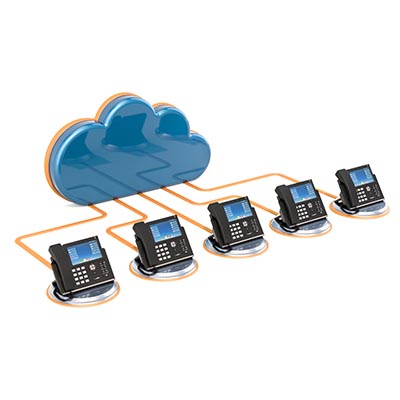
Hosted VoIP is a great business telephone system that uses the Internet to do everything your traditional telephone system can, and even more, actually. VoIP is loaded with features that provide value for your organization, and since it is hosted in the cloud, you cut down on the need for more expensive hardware solutions and the setup time they involve. Let’s examine some of these features.

Automated Attendant

One of the more useful features for businesses is to have an automated answering system that can eliminate the need for a live receptionist and the costs associated with them. This also provides reliable call routing so that people can get connected to whoever they need to get connected to. Some VoIP providers also offer customization to help this auto attendant be more tailored to suit your organization.

Call Recording

So much of today’s business is done remotely that collaboration can be challenging. Call recording makes for more accessibility options for individuals who cannot make it to every single meeting. They can also assist with project management, team collaboration, and quality assurance. Hosted VoIP programs often include cloud storage space at an additional cost, but notably without any additional setup.

Caller ID and Screening

Hosted VoIP allows systems to show users who is calling and what some of the options are for incoming calls. Users can see the number, including if it is in your contacts, and options for answering the call, sending it to voicemail, or declining it altogether. This cuts down on time wasted on unnecessary or unwanted calls.

Call Forwarding and Flipping

Yet another great feature in favor of VoIP is the ability to forward or transfer a call to a separate device or a different number. Sometimes calls need to reach multiple different points within a business, so call forwarding is an absolute must—especially for something like customer support or for organizations with multiple departments who need to send calls along to the appropriate department. Call flipping, on the other hand, lets users send their calls to different devices, like a smartphone, so they can take calls on the road with them as needed.

SMS Text Messaging

Hosted VoIP solutions also give users the ability to send SMS messages, or text messages, to each other/. It’s a great way for teams to stay in touch, and if they can do so from their work accounts, all the better.

Video Conferencing and Bridging

The cloud makes for a dynamic VoIP platform. Conference calling is one such way that VoIP uses the cloud to great success. Thanks to the Internet, VoIP providers can offer video conferencing systems that integrate with conference bridging, allowing people to meet without wasting time and effort.

Analytics

Hosted VoIP gives administrators the ability to see all kinds of metrics to ensure that the phone system is being used in the most effective way possible. This gives you the ability to customise your VoIP platform to suit the needs of your organization while also controlling costs.

Go Mobile 

Since each instance of a hosted VoIP platform can be accessed through a dedicated mobile application, employees can simply use their smartphones (or even a desktop/laptop) to access their work phone number and its many features. It’s a great way to cut costs and be even more productive.

In short, hosted VoIP is one of those solutions that we would label as a must-have for any business, big or small. To learn more about how hosted VoIP can help your business be more productive, reach out to us at 810.230.9455.

458659124_best_practices_400.jpg

5 Useful Technology Tips Your Business Should Consider

458659124_best_practices_400.jpg

In order to get the most value out of your business technology, it’s important to understand best practices and how they can figure into your business operations. Let’s examine some of the most effective practices that you should include in your day-to-day operations and how they can benefit your organization.

Emphasize Security

Security should be a top priority for your company. Considering the fact that you can rarely turn on the news without seeing headlines of some major cybersecurity breach, you simply cannot underestimate hackers. Hackers consider data to be incredibly valuable, so you should treat it with the same value by protecting it as best you can. Plus, hackers who want to steal your data can do so from anywhere in the world under the right circumstances.

Your company absolutely needs to have sufficient IT protections in place to keep threats away, and your team should also be security-minded if you want to have any hopes of challenging these hackers. This is especially important as the world moves forward with remote and hybrid workplace policies.

Adopt Cloud Computing

Cloud-based options further augment your organization’s ability to handle remote work. Cloud-based options give you the ability to access data, solutions to process and utilize it, collaboration tools to stay in touch while out of the office, and so much more. The cloud can even help with business continuity through the use of cloud-based backups. There is no shortage of benefits to using the cloud in everyday business.

You would think that these options would cost a premium, but you can take advantage of the cloud with little-to-no maintenance needs for a small monthly fee that is easy to fit in any budget.

Automate What You Can

In terms of productivity, nothing helps more than automating specific processes so that they can occur more quickly and more accurately. Automation gives your business the ability to take many traditionally rote responsibilities and remove the human resource aspect of them, replacing them with computing resources.

Unfortunately, the term “automation” is often associated with downsizing and replacing workers with machines. We urge you to shift your mindset and instead consider it as an opportunity to free valuable human resources for other, more valuable tasks. In other words, you are using non-human resources to give people more opportunities to flourish within your organization.

Communicate

Whether you are streaming a video online or using your business’ Voice over IP phone system, your organization is using bandwidth, meaning that this resource will be incredibly valuable for you as you move forward. That said, bandwidth-demanding communication applications are notorious for eating up too much unless you take action to stop them from doing so. You must work with an IT provider like NuTech Services to ensure that your business’ bandwidth needs are being met.

Don’t Sacrifice Quality for Costs’ Sake

The most important takeaway for this blog is the following: make sure you get value out of your technology investments. This does not mean sacrificing quality for the sake of cutting costs. What we’re trying to say is that IT can be expensive, so you want to make sure that any new investments in hardware or other external resources will yield a return on your investment. Instead of cutting costs and settling for less-than-stellar resources, choose to identify inefficiencies and redundancies that can be addressed through implementation of new IT resources.

You can rest assured that NuTech Services is the best value out there for your business’s IT needs. To learn more about what we can do to help your business establish the above best practices, reach out to us at 810.230.9455.

280836698_voip_400.jpg

Voice over Internet Protocol May Sound Complicated, but It Can Save You Money

280836698_voip_400.jpg

Good communication is more important than ever, especially today when margins are thinner and remote collaboration is a staple for many organizations. Today, we want to share with you four benefits that come from utilizing a hosted VoIP solution.

Benefit #1 – Cost Reduction

It’s often the case that small businesses struggle to pay the bills necessary for services from high-profile, big-name companies, leading them to instead invest in cloud-based solutions that can save them money and fit neatly into their budgets. Hosted VoIP is managed and maintained by the provider, meaning that the costs are vastly reduced. Plus, companies who use VoIP don’t have to spend money to run additional phone cables throughout their site of business; VoIP uses your Internet connection, and since VoIP-enabled phones can plug right into your workstation or other hardware, they are incredibly easy to add to an existing infrastructure.

Benefit #2 – Flexibility

One huge benefit of VoIP is that it gives businesses flexibility. You pay for the services on a month-to-month basis, and since you are essentially using an application rather than true hardware, you can choose the device you want to use it on, be it Android or iOS or even your desktop. Yes, that means no more long contracts or large up-front costs associated with them. Plus, if you need to add a new user, all you have to do is add an account and set up the software on the phone.

Benefit #3 – Mobility

VoIP accounts come with the ability to sync a mobile device to the number, allowing users to use their own personal mobile device for business calls from the same number as their office phone. Some businesses might pay a premium to get their employees on their preferred mobile platform, a process which can include buying mobile devices, paying for services and data plans, and more. Through VoIP and a Bring Your Own Device (BYOD) policy, you get all the benefits of a built-in mobile platform without adding further costs to your budget.

Benefit #4 – Options

One of the biggest benefits that a VoIP system provides for businesses is the sheer number of options available for communication and collaboration. Today, these options are absolutely critical and one of the biggest reasons that organizations have managed to stay afloat. Through the use of video conferencing systems and other great features, employees can stay connected even while out of the office.

NuTech Services can help your business thrive with a VoIP solution. To learn more about how we can get you set up with an enterprise-grade VoIP system at a fraction of the cost of your traditional phone system, reach out to us at 810.230.9455.

388007290_online_meetings_400.jpg

Innovations to Video Conferencing is Changing the Way Businesses Meet

388007290_online_meetings_400.jpg

Voice chat and communication via telephone may have been the norm for years, but these days, video conferencing has really taken off in popularity. With remote and hybrid work still trending worldwide, now is as good a time as ever to reconsider the features of your video conferencing solution. Let’s take a look at some of the features that you should look for when implementing video conferencing.

Screen Sharing

Key to any presentation is going to be screen sharing functionality. This feature lets you share your screen, including any content on it, with whoever happens to be in the meeting. For any business professional who must make a presentation during a meeting, screen sharing is a necessity.

HD Video

It just goes without saying that your video conferencing solution should have high-quality video. This is for your benefit as well as anyone taking part in your meeting. Higher quality video just makes for a more enjoyable experience for all.

Chat Functionality

The chat plays a vital role in any meeting. Not only does it give people the ability to contribute to the conversation who might otherwise not feel comfortable speaking up, but it also allows the audience to feel like they are interactive during the meeting, making it more active and thus more engaging as a whole. The chat feature can include the ability to send files, media, emojis, and more.

Recording Features

There will inevitably come a time when someone important is going to miss a meeting, and that meeting will be critical to keep them informed about something or another. In this case, it helps to have the ability to record your meetings and store them in the cloud for access at a later time. This also helps when you just need a reminder of what was discussed during the meeting.

Performance Reports

Your video conferencing solution should have the ability to gauge interaction and effectiveness, as well as methods to track attendance. You can then use these metrics to adjust how you use your video conferencing tool. For example, if people are not enjoying your slideshow format for a presentation, you can take steps toward making them more enjoyable.

If all of this sounds great, then don’t waste any more time. Give NuTech Services a call at 810.230.9455 today to discuss how you can improve your business’ video conferencing solution.

134424016_consistency_400.jpg

Why Consistency is Critical to Your Position as Business Leader

134424016_consistency_400.jpg

From an employee’s perspective, one of the most frustrating issues that could be present in the workplace is leadership that proves to be inconsistent. This lack of managerial consistency can wind up causing some serious problems and is often demonstrated through a variety of repeated behaviors.

These behaviors often include:

  • Falling through on commitments.
  • Lateness or absenteeism from scheduled meetings.
  • Unannounced procedural changes and frustration when workers aren’t aware of the change.
  • Overpromising beyond the company’s capabilities.
  • Promising success with no strategy to accomplish it.

This kind of inconsistency can be downright toxic to the business, leading to turnover, poor customer interactions and relationships, and an assortment of other detriments to anyone associated with the business—those who work there, those who work with it, and even those just considering the idea of working with it.

Let’s look at why it is so important to demonstrate consistency within your business.

Consistency Signals Respect

If you were to be inconsistent in how you ran your business, it would make you come up as irresponsible at best. As a leader, you need to be sure that your team respects you enough to follow, and that your clientele is confident enough to bet money on you. Too many contradictory actions and this respect and confidence will likely evaporate.

The best leaders, historically speaking, lead by example, and you’ll likely get as you give if you show your clients and employees alike the respect that a bit of stability suggests. In order to lead effectively, you need to be trusted to act a certain way. By its very definition, consistency will give that trust the foundation it needs.

Consistency Breeds Accountability

On a related note, accountability is equally important to those in leadership roles. Let’s face it, if the people working under you are underperforming to your expectations, you’d say they were falling short, right? Well, employees rightly feel the same way about management—there are certain responsibilities that company leadership must answer for. Failing that encourages some not-so-great repercussions, including mixed results, unpredictable costs, and lacking productivity.

Consistency Reveals Patterns

When your processes are followed consistently, it can help you generate the metrics that will be most useful to you as you crunch the numbers for your business analytics. While this will take at least three months of sustained (or, shall we say consistent) consistency, you’ll soon have the data you need to make an informed decision.

Consistency Signals Character

Reputation management has never before been such a crucial consideration for a business, as exposure to the public eye has never been so prevalent before. It isn’t exactly a secret that treating your team members poorly can come back to haunt an organization, so if you constantly change the environment they work in, it will only promote a lack of faith in your leadership. While innovation is to be welcomed, of course, your team will need a bit of a warning ahead of any major shifts.

What do you think is the greatest benefit that business consistency can bring? Keep checking back for more great technology content!

134595765_VoIP_400.jpg

Today’s VoIP Platform is Completely Customizable

134595765_VoIP_400.jpg

A business has to have a telephone system. It is the simplest and most utilized method of communication. Many businesses, however, have to consider many variables before choosing theirs and it adds up to a lot of confusion. They need to take into account the cost, yes, but also the feature set, and the phone system’s ability to support much-needed mobility. Today, we will tell you about an option that checks all the boxes: a hosted VoIP system.

What Exactly is Hosted VoiP?

Hosted VoIP is easily described as a communications platform that utilizes an Internet connection to function. Unlike traditional telephone systems that are purchased through the telephone company and have their own dedicated lines, hosted VoIP is hosted in the cloud and allows a business to build a strong, customized telephone system that meets a lot of a company’s communications needs. 

While there are VoIP options for consumers, businesses need more. They need more control, more features, and more flexibility. A hosted VoIP platform allows businesses to add and remove lines from their system in minutes and provides them the options to customize the whole system to include more dynamic features designed to maximize a business’ ability to communicate and collaborate efficiently. 

The Difference Maker

Most business owners would probably admit to thinking that all telephone systems are the same, but that isn’t the truth. Hosted VoIP can help you control costs, build a more comprehensive communications strategy, and significantly offer solutions to the question of mobility that many businesses have absolutely no answers for.  Let’s look at some of the main benefits of hosted VoIP:

Cost

Obviously, for most businesses the cost of a solution has to be a prime consideration. Hosted VoIP can save even the smallest businesses money in multiple ways. First, since you are using your business’ Internet connection to fuel your phone platform, you can cut the telephone company right out of the equation. Secondly, you can customize your hosted VoIP platform to get the solutions that work for your business, presenting you with very little waste. Lastly, your VoIP platform alternatively serves as your business’ mobile platform, as you can use the solution’s mobile app to make and receive phone calls—from your assigned VoIP phone number—anywhere your mobile device has Internet access. 

Extremely Simple

A Hosted VoIP platform is extremely simple to set up. Working with a vendor, you can have a telephone system configured the way you like it in about a day. Compare that to the weeks of running cables and moving your business’ around to facilitate the installation of a traditional telephone system. For the end user it is even simpler. All you need to do is hook a VoIP-enabled phone into a workstation and you are ready to go. Additionally, you can add and remove lines extremely quickly, so you aren’t stuck paying for more that you need. 

Functionality

One major benefit of VoIP is the customization of the platform. You can literally get dozens of tools if your business needs them. Some of the tools you can get with your VoIP platform include:

  • Audio and video conferencing
  • Call forwarding
  • Personalized extensions
  • Call routing
  • Call recording
  • Automated receptionist
  • Call queues
  • Instant messaging
  • Text messaging
  • Integrated voicemail

…and there are many more.

Hosted VoIP can change the way your business looks at its communications platform. With reliable and crisp-sounding calls, the Hosted VoIP platform can be right for just about any business. To learn more about hosted VoIP, give us a shout at 810.230.9455 today.

business-people-and-architects-collaborating-on-TFP643Y_collaboration_400.jpg

Collaboration Tools for SMBs

business-people-and-architects-collaborating-on-TFP643Y_collaboration_400.jpg

Useful collaboration tools can alter a business significantly by enabling cooperation that is impossible without them. How exactly these tools fit into your business is a whole other matter.  Today, we’re going to talk about how you can integrate some pretty great collaboration tools without turning your business upside down. 

Cloud Productivity

One option a business can take is by adding in a cloud productivity suite. Options like Google’s G Suite and Microsoft’s Office 365 can bring a business a lot of value, without the typically massive capital outlay the yearly software license would command. Besides, you probably already need licenses for a word processor and spreadsheet app anyway. Inside the software there are integrated collaboration options that allow your team to work on documents, spreadsheets, and presentations together in real time.

Communication

Efficient collaboration is not possible without strong communications. Today, there are options out there where an organization doesn’t necessarily need to invest huge sums in replacing their normal communications strategy to get the benefits that innovations made in the solutions can bring. By utilizing instant messaging, web-based conferencing, and cloud-based email companies can improve their top-to-bottom communication without taking on a lot of extra cost.

Collaboration Apps

New innovations in communication software are now available that provide advanced collaboration options. Developed like a forum, but with direct communication options, and integrations with third-party applications, collaboration apps like Slack and Microsoft Teams have a lot of options to help drive team productivity forward.

If you are looking for ways to improve your organizational productivity, call the IT experts at NuTech Services today at 810.230.9455. 

193972626_Communication_400.jpg

Business Communication Tools Your Business Could Use

193972626_Communication_400.jpg

All businesses need some type of communication infrastructure, especially considering how connected today’s workplace is. Today we will look at some of the best communications solutions out there for businesses of all sizes and industries, including many that you may (or may not) have already implemented for yourself. You can use this knowledge to fuel improvements to your own communications infrastructure.

Video Conferencing

Video conferencing can help business owners accomplish a plethora of tasks in the workplace. For one, video conferencing gives you the power to directly communicate with other parties, like vendors, customers, regulators, etc., without being in the same physical location. You also have the option to share screens, documents, presentations, and more through a video conferencing setup.

Chat Platforms

A chat platform will give users the ability to communicate both in and out of the office, whether it’s providing assistance to your clients or acting as a communication infrastructure for your employees. Some organizations have even taken to automating chat platforms to provide a more effective service to their clients. In fact, these services are often more cost-effective, and they come with a high level of customizability to provide an alternative to having a traditional support line.

Voice over Internet Protocol

Voice over IP has been around for quite some time, and it’s so popular that even cable companies are providing it these days. The biggest component of a successful VoIP platform is ensuring that you’re not overpaying for bandwidth. Your business’ phone system will run over your organization’s Internet connection, so it’s crucial that you’re not buying more than needed. A VoIP solution, when implemented correctly, can save you time and resources better spent elsewhere. VoIP systems can integrate well with other services, as well.

Mobile Devices and BYOD

Everyone has a mobile device of some sort, so businesses are beginning to leverage this to their advantage through the use of Bring Your Own Device. Organizations that have employees who often travel for work will find it beneficial for them to bring their own devices into the workplace so as to offset the cost of purchasing work devices for them… as long as there are limits in place, of course.

Of course, securing these devices is also of the utmost importance, which is why solutions such as mobile device management exist. These solutions give administrators the chance to limit a device’s data access based on user privileges, limit the kinds of software installed on them, and more. Mobile device management might be hard to implement for certain businesses with outspoken employees, so address these issues accordingly.

Intranet

Intranet solutions consist of a data system that can be used for file sharing. A company intranet can be used in various ways; they can be hosted on-site, in a private cloud solution, or implemented in a hybrid solution. An intranet hosted on your local area network can give any computer that’s connected to the network the ability to access the intranet. Given the right permissions, an intranet can enable collaboration utilizing this single point of storage.

A cloud-based solution can be hosted on private hardware, but it will depend on the integration and whether or not you’ve set up access control and authorization. Cloud systems are generally hosted outside the confines of your physical network, yet they offer a considerable amount of flexibility with access to data and applications.

Cloud Services

There are countless cloud services out there that your organization can use to establish lines of communication, including email, instant messaging, collaboration software, and more.

Unified Communications

If you can unify your business’ communications, you will see quite a lot of benefits. Centralized software gives you the opportunity to host all of your applications in one location, like VoIP, Instant Messaging, Video Conferencing, etc., and it all reports back to one location where it can be tracked. Unified communications are a great way to monitor transparency and increase the value of your solution.

NuTech Services’s IT experts can present you with the best communications solutions for your organization. To learn more, reach out to us at 810.230.9455.

163051357_digital-signage_400.jpg

Tip of the Week: Using Digital Signage

163051357_digital-signage_400.jpg

Businesses often utilize signage to direct visitors to specific points of interest in their offices, but with the advent of digital technologies, the potential for digital signage is nearly endless. If leveraged properly, these displays can be used to provide key insights into operations, as well as notify employees and visitors of important information.

When we say digital signage, what we mean is having digital displays in your office. You may have seen them out and about in other locations, such as fast food restaurants using monitors as menu boards. In essence, digital signage solutions give your business the opportunity to broadcast content to screens around your office for a variety of reasons, and they are great opportunities to make your workplace a more dynamic experience as a whole.

Showcase Important Information or Statistics

Sometimes you need your employees to see announcements, but you want to make the information known in a more public location. Otherwise, you can use it to display statistics, like the number of sales or a countdown to a certain date or time. Either way, digital signage can be used to keep your staff informed.

Digital signage is also helpful for navigating the office. You can have signs indicating where important locations, like a conference room or bathroom, are located. 

Display Upcoming Dates and Events

All businesses have deadlines of some sort, and digital signage is a perfect way to broadcast it to your entire office… or at least the locations where digital signage is used. It’s an easy, supplemental way of drawing attention to certain times, dates, or events that are arriving in the future. 

Monitor Goals More Effectively

Digital signage can help your organization keep its employees accountable through the display of goals and key performance indicators. You might even be able to foster some healthy competition between your organization’s employees, as their performance will be displayed in an easy-to-understand format.

Does your business need assistance with setting up or acquiring resources for digital signage? NuTech Services can equip you with all the assets you need to make effective use of digital signage. To learn more about what we can do for your business, reach out to us at 810.230.9455.

136929883_collabotation_400.jpg

Considerations for Your Business’ Collaboration

136929883_collabotation_400.jpg

With business moving faster than it ever has before, it seems to be a no-brainer that collaboration is something that your business needs to focus on to remain competitive. Fortunately, there are many technologies and strategies that can be leveraged to help your business keep its collaborative and communicative efforts front-and-center.

Hardware

Fortunately, the biggest hurdle to collaboration isn’t usually having the right solutions in the office, it’s primarily making sure that these solutions are being put to use properly.

Consider your Internet setup – is it strong enough to wirelessly provide your entire office with connectivity, or would you be benefitted by implementing additional access points? Do you have the hardware needed to communicate and share data with mobile employees, and most importantly, can you properly secure all of it? Speaking of mobility, you will also want to consider if you want to provide your staff with company-owned mobile devices instead of leveraging a Bring Your Own Device Policy. There are options out there to procure these devices for well below retail rates, as long as these devices are bought in bulk.

Software

Depending on your type of business, you may have more or less to do in order to promote collaboration in your organization. A brick-and-mortar establishment will likely have its resources centralized, which means that employees will need to have access to these resources in order to properly communicate with one another, sharing progress on their work. While a private cloud platform would serve this need quite well, these solutions are typically far too expensive for the average SMB to consider.

These SMBs do have other options. Cloud-hosted software allows a business to leverage just about any computing resources they need, whether its a productivity suite, a business management platform, or a communication tool. Adding to these benefits, these resources can be accessed wherever an Internet connection can be established thanks to an integrated access management system. This same system allows administrators to keep threats out of their network as well.

Policies

Finally, for there to be collaboration, there needs to be the policies in place that “encourage” (enforce) the stress-free sharing of pertinent data with team members. In other words, you need to know that you have a way for your employees to access the data they need to complete their tasks as the need arises.

Having these policies can be to your organization’s advantage. While some of your data needs to be kept on a “need-to-know” basis, giving your employees some guidance to navigate how other data should be shared can help you to keep your business’ data that much more secure. It also doesn’t hurt that digital communications are becoming more of the norm, so it only makes sense to give your employees an outlet to communicate in what is likely their preferred manner.

In short, businesses are communicating in new and exciting ways. Not only should you not want to be left behind, you can’t afford to be. For assistance in expanding your internal collaboration and business communications to fully embrace today’s capabilities, reach out to NuTech Services’s IT professionals at 810.230.9455.

cloud_host_voip_400.jpg

Is Cloud-Hosted VoIP a Good Value?

cloud_host_voip_400.jpg

Since companies have begun offering services in the cloud, organizations of all types have taken advantage of utility computing in hosted environments. One platform that we tend to see quite a lot of is Hosted VoIP. What makes a cloud-hosted business telephone system more attractive to the modern business owner than one they host onsite? Today we’ll take an in-depth look at the two options.

It goes without saying that having a comprehensive communications strategy is critical for the functionality of your business. Many businesses use traditional phone systems, and they pay handsomely for them. VoIP is a great way to utilize the bandwidth you already pay for to facilitate a business phone solution.

A VoIP system works by transferring sounds into data packets and then transferring them in real-time over an Internet connection. The sound is simply unpacking the data packets. The reason so many small businesses are switching to a VoIP system is that it allows an organization to manage their telephone system cost more effectively.

Nowadays there are hosted VoIP options that present companies with a virtual call center of sorts. Essentially, instead of hosting a stand-alone server at your place of business, the telephone system is hosted in the cloud and accessed through a web client.

Before you can consider either VoIP platform, you’ll have to determine what type of control you need over the technology. If you are someone that wants to play with settings and configurations, hosting your own PBX phone server may be the way to go, but if you are someone that doesn’t mind spending a little more per month to have these systems managed for you, a cloud-based VoIP solution should be right for you.

Your average VoIP solution provides your business with a path to cut the often-substantial capital costs of buying, housing, and maintaining an onsite telephony server. Since the provider will absorb the costs of maintenance and the outward reliability of the platform, you can spend less time focusing on managing your telephone system and more time relying on it.

Since VoIP downtime is not an option for the average business, you’ll want to consult with NuTech Services IT professionals to help you find the right solution to fit your business’ needs. Our staff are experts at designing, implementing, and managing computing networks that work for the modern business, so relying on us to help you deploy the right communications platform makes a lot of sense.

For more information about hosted VoIP or any other communication used to improve employee productivity and customer satisfaction, call NuTech Services today at 810.230.9455.

totw_mobile_relationship_400.jpg

Tip of the Week: Use Mobile to Improve Your Work Relationships

totw_mobile_relationship_400.jpg

With more workers opting for mobile solutions than ever before, communications can be tricky to manage for a business. However, is your business’ infrastructure capable of adapting to these new developments in communication technology? You can bet that regardless of where the business takes you, certain applications and devices will always be useful throughout the workday.

An infographic by Newsweaver suggests that businesses rely on smartphones for many reasons. Here are just a few of them:

  • One out of five employees for large organizations are equipped to work away from their desks.
  • As of 2013, three out of five small businesses in the United States have a Bring Your Own Device policy in place.
  • By 2020, four out of five small businesses will have a Bring Your Own Device policy in place.
  • One out of five businesses have found that mobile workstyles have resulted in productivity increases of over 30%.

As a business owner, it’s your responsibility to provide the tools needed for your employees to be productive, whether it’s an application or a mobile device. After all, if you don’t provide your employees with the technology to be successful, they will find other ways to make productivity happen. This could mean them finding their own solutions, opening the floodgates to malware and other data disasters. Any devices used by your business should adhere to its BYOD policy and monitored to ensure they aren’t lost or stolen, along with the data on them.

To this end, we recommend you work with your employees to find the tools they need to be most productive in the workplace. Collect their feedback and apply the knowledge you gain to your business’s current technology situation. Here are some ideas for solutions to consider:

  • Productivity suite software like Microsoft Office and Google’s G Suite
  • Your email client
  • Cloud storage
  • Voice over Internet Protocol for telephony and communication
  • Instant messaging
  • Project management
  • Collaboration suites

NuTech Services can help your business equip itself with all of the best technology solutions for mobile communications and productivity. For more information, reach out to us at 810.230.9455.

voip_has_value_400.jpg

VoIP Can Bring A Lot of Value

voip_has_value_400.jpg

Business technology can often augment communications and make collaboration easier, but administrators sometimes believe that these added perks come with a considerably higher price tag. When a solution comes around that can save money, like VoIP, business owners should consider it with serious intent to invest, as it can usher in an age of improved operations and efficiency for your employees, as well as a higher bottom line overall.

VoIP Improves Inter-Department Communication
Landline telephones in the office have been dated for quite some time. Even if they were once necessary to get in touch with coworkers and other departments, they are now quite antiquated compared to modern solutions. After all, there’s no guarantee that an employee will be available to take your call, as the workplace is filled with countless tasks that often require their full attention. Sure, you could leave a voicemail, but there’s no guarantee that the employee will see the message until it’s too late to respond. Since Voice over Internet Protocol doesn’t rely on your employees having a traditional handset, and instead has them using more mobile devices, they’re more likely to be available when you need them most.

VoIP Is More Flexible
Some organizations have employees who aren’t always able to work in the office for a variety of reasons. Perhaps they are simply on the move for conferences so often that they are just never in the office, or perhaps you have employees who work remotely from time to time (or even permanently). VoIP lets you stay in touch with these employees in the same way you can with your in-house team. Since VoIP can be used on mobile devices, laptops, and even desktops, it doesn’t matter where your employees work, as long as they have the VoIP application and a headset. In this way, VoIP is much more flexible than any traditional landline.

VoIP Allows for Additional Features
Landline phone services tend to have features built into them, but many of them are decided by the cable company that provides your telephone service. These features are often not what your business wants or even needs. VoIP services give your business all the features needed from traditional landline telephone services, including conference calling and voicemail, but with lots of additional features that add a quality to your business’ ability to communicate. You can take advantage of video conferencing and instant messaging built right into your VoIP solution. By going through a VoIP provider in this way, you save money by only paying for services you will use rather than those your cable provider assumes you want.

To get started with a VoIP solution today, reach out to us at 810.230.9455.
voip_complex_400.jpg

Can You Afford to Ditch Your Telephone System for VoIP?

voip_complex_400.jpg

Voice over Internet Protocol, or VoIP for short, might at first glance seem complex, but it’s really quite simple when explained properly. Unfortunately, misconceptions surrounding VoIP can become a barrier of entry for businesses considering a VoIP solution. We’re going to disprove some of these misconceptions and prove VoIP can be a valuable investment for just about any business in need of a communications solution.

“VoIP is Too Expensive”
Businesses often think that VoIP is more expensive than your typical telephone bill, but this isn’t necessarily the case. The purpose of VoIP is to actually reduce the costs of your telephone bill by eliminating unnecessary services and the costs associated with them. VoIP does this because it uses your Internet connection rather than a phone connection, meaning that you don’t have to have phone lines all over your office just to give each of your employees phones on their desks. All you need to use a VoIP solution is a headset or handset and a desktop/mobile app hooked up to the Internet.

“VoIP Isn’t Reliable Enough”
In reality, VoIP is only as reliable as your Internet connection. If your Internet connection isn’t reliable, then you have a problem as is, so why not use it as an opportunity to both improve connectivity and communications all in one?

“VoIP is More Trouble Than It’s Worth”
Considering that VoIP would be replacing your current telephone setup, it’s reasonable to suspect that the amount of effort put into this implementation would be considerable. However, that’s simply not the case–VoIP requires minimal setup, as it uses your existing network infrastructure. All you’re doing is connecting your phones to the Internet, which takes no time at all.

“VoIP Doesn’t Sound Good Enough”
VoIP often doesn’t sound any different from your typical phone line connection, and if it doesn’t sound as great as you want it to, chances are it’s (once again) an issue with your Internet connection–not necessarily anything wrong with the VoIP service itself.

“VoIP Isn’t the Right Fit”
VoIP can be the perfect fit for your business precisely due to just how customizable it is to your business’ specific needs. You can mix and match the additional features you desire to save money in the long run. All of the features from any old phone company would be a considerably larger investment, and some VoIP features aren’t even offered by your standard phone company in the first place.

VoIP is simply too good a solution to not implement or at least consider. If you want to hear more about VoIP, our IT professionals would be happy to assist you. To learn more, reach out to us at 810.230.9455.

hosted_voip_400.jpg

The 3 F’s of a VoIP Solution

hosted_voip_400.jpg

Communication is pivotal to the success of your business, but it’s hard when you have a telephone system that seems like it was built for an age long past. A modern telephone system that utilizes the cloud is the ideal way to approach collaboration in the workplace. You have some options for this, but the easiest to take advantage of is a cloud-hosted Voice over Internet Protocol solution.

Compared to the traditional telephone system, a VoIP phone solution provides substantially more freedom to go about your business as you see fit, as well as the flexibility to adjust needs on a whim and the functionality you expect from an enterprise-level modern phone system.

Freedom
If all you’ve ever known are corded desk phones with a limited reach, then you don’t know the heightened experience of putting on a wireless headset and taking your business on the road. Traditional telephone systems are limited in scope because you’re tied to your desk or within a certain radius of your handset. VoIP phone systems can be used on any connected device, be it a desktop, a laptop, or even a mobile device. Since it’s a cloud-based application, your business can make use of it wherever and however it pleases.

Flexibility
When you implement a traditional telephone system, chances are you have a specific setup in mind that caters to your current needs. Now imagine that your organization is growing at a staggering rate and you don’t have enough phones for everyone. Knocking down walls, running cables, and changing your physical infrastructure just to add a few phones to your network is an overly complicated and expensive process. A cloud-based VoIP system allows you to add new numbers and users when they are needed. As long as your network can sustain the bandwidth (have the IT professionals at NuTech Services consult your Internet service provider for more information on this), you can add as many users as you need.

Functionality
A traditional telephone system is subject to the whims of phone providers. This in itself isn’t inherently bad, but the fact that so many of them bundle together unnecessary services makes for a frustrating and expensive system. For example, your business certainly doesn’t need 300 channels of cable television in addition to its phone system. Instead of bundling unnecessary services together, a VoIP solution offers you the opportunity to customize the solution to fit your specific needs. This includes additional options like instant messaging and video chat, in addition to all of the tried and true basics like conference calling and voicemail. Basically, you only pay for what you actually want and need, not what the provider thinks you want and need.

Could your organization use hosted VoIP? NuTech Services can help. To learn more, reach out to us at 810.230.9455.
consider_hosted_voip_telephony_400.jpg

Why You’ll Want to Consider Hosted VoIP Telephony

consider_hosted_voip_telephony_400.jpg

Today, communications are an important part of business, and with nearly every organization looking to reduce redundancies, a lot of businesses are starting to take advantage of Voice over Internet Protocol (VoIP) solutions, using the resources they already have in place to avoid paying twice over.

With today’s ISPs delivering faster and faster speeds to businesses, much of the bandwidth a business uses is lost. By choosing to utilize a VoIP telephony solution, your company gets more for less. You are paying for access to massive amounts of bandwidth anyway, why not cut your communications costs while you are at it? Today we will take a look at the various types of VoIP that are available and why the switch may be just the thing your organization needs.

What is VoIP?
Voice over Internet Protocol is just that. The ability to make calls, and have a feature-rich platform that provides all the services that your traditional phone system offers, for a fraction of the cost per user. If this seems too good to be true, consider that the VoIP market is growing rapidly (over 15 percent per year). It works through your organization’s Internet connection rather than through dedicated phone lines. So, instead of having to pay for a separate system or add expensive hardware, VoIP provides an organization the immediate cost reduction without a discernible shift in functionality.

Hosted VoIP technology can be hosted either onsite or in the cloud, but since you won’t have to pay for and maintain hardware with the cloud-based platform, the cloud-hosted version will save you money. It is still a completely managed and maintained PBX server, but instead of having the system in your office, your organization can access it through web-based applications typically available on both desktops and mobile devices.

Benefits of VoIP
We’ve already outlined the cost reduction that’s possible with VoIP, but there are some other benefits as well. They include:

  • Easier to Manage: If anything else, switching to VoIP eliminates a vendor that you have to manage. More than that though, VoIP doesn’t need special hardware, it can use the same wiring and switches as your LAN.
  • Unified Communications: Installing a VoIP platform likely means that you are able to unify your organization’s communications platform, giving your staff the option to communicate multiple ways at the click of a button.
  • Functionality: A VoIP platform can integrate with all types of business-management software to provide easy access to the communication capabilities that often make business run better. VoIP also has innovative features like Voicemail-to-email transcription, interactive voice recognition, and integrated chat.
  • Scalability: When you need another user, it’s as simple as adding a line to your VoIP plan.

VoIP makes a lot of sense for the growing business and the established enterprise, alike. If you would like more information, contact our professional consultants today at 810.230.9455.

voip_traditional_phone_400.jpg

VoIP Delivers Benefits That a Traditional Phone System Can’t

voip_traditional_phone_400.jpg

Communication is a critical part of your business’ operations, but how can you ensure that you’re not holding your business back by failing to consider modern solutions to age-old problems? While your telephone system likely gets the job done, you shouldn’t let complacency keep you from striving for improvement. For telephony solutions, you can consider leaving behind your service provider and investing in a digital solution called Voice over Internet Protocol, or VoIP.

Traditional telephone solutions rely on telephone lines being installed throughout your office. If you are privy to the finer details of this particular process, you know that it can take quite a while to fine-tune your infrastructure to best suit your organization’s needs. Depending on the number of users, each handset needs to be hooked up to your organization’s phone infrastructure. This makes adding new users quite a pain, as you may need to move your office around in order to accommodate such growth. Furthermore, you may find that you don’t use all of the services provided by your telephone service provider. Many providers bundle together services, like television or Internet, without giving users the option to section off exactly what type of service they want. This means that you’re ultimately paying for services that you don’t want or need, which is a considerable waste of resources on your part.

Thankfully, VoIP improves the communications conversation. VoIP allows your organization to take advantage of more flexible telephony solutions by using your Internet connection to transmit and receive calls. It works in much the same way as your traditional phone solution, but with less reliance on your physical infrastructure itself. While you can acquire physical handsets for your employees’ desks, the main draw of VoIP comes from the fact that you can use the application in any way you see fit, whether it’s on your smartphone or your desktop.

Imagine being able to take your workplace phone number on the go so that you won’t miss a thing; or being able to dodge extra costs for long-distance calls. Imagine ditching the expensive services that you’re forced to pay for, like cable television, when all you use is your Internet and phone. By implementing VoIP, you’re eliminating unnecessary expenses that would otherwise place restrictions on your ability to effectively communicate and afford the comprehensive solution your business inevitably needs. With NuTech Servicess VoIP solution it’s easy to add user accounts, and since you’re using your Internet connection instead of telephone wires, you’re saving quite a lot of money that could be better utilized if spent elsewhere.

Of course, you still have to be wary of your bandwidth, as you’ll be putting additional strain on your business’ Internet connection in order to use VoIP, but this is only a minor hurdle that a managed IT provider like NuTech Services can help you work through. To learn more about VoIP, call us today at 810.230.9455.
voip_headset_laptop_400.jpg

For Better Business Communications, Choose VoIP

voip_headset_laptop_400.jpg

VoIP, or Voice over Internet Protocol, has become the only practical choice for a forward-focused business’ telephony needs. Any one of those who have adopted it could share a reason that they leverage it. But what is VoIP, really? How does it work, and why is it so popular among businesses? Read on to find out.

To understand VoIP, it may help to understand how the traditional telephone operates. When someone speaks into the receiver, the vibrations from the sound energy hit a part of the phone called the diaphragm and are converted to electrical energy. This energy is transferred through the phone lines to its destination: the recipient’s telephone handset. Once the energy is there, it is reverted to sound, and the first person’s voice can be heard.

VoIP works in a similar way, albeit more advanced. There are actually multiple methods to using VoIP, but we’ll focus on using VoIP through an IP phone.

Just as with the traditional telephone, the process begins when someone speaks into a receiver. However, instead of being converted into electrical energy, the sound of your voice is compressed and compiled into digital packets, which are then sent to the recipient via the Internet. By sending it over the Internet in this way, there is no longer a need to pay the phone company additional funds, lending VoIP its first benefit of cost savings through consolidation.

VoIP phones also allow you a better means of control over your telephony as a whole. With a plethora of features included that would only be available from a phone service provider for a premium price, you have considerable management capabilities. From voicemail to contact lists to conference calling to so much more, the right VoIP solution can lend you advanced business communicative abilities without the advanced prices.

Clearly, there are cost savings to be enjoyed through a VoIP system, but the benefits don’t stop there. Reach out to us at 810.230.9455 to learn about some other ways that VoIP can augment your business operations.

two_phone_numbers_400.jpg

Tip of the Week: How to Easily Add a Second Phone Number to Your Mobile Device

two_phone_numbers_400.jpg

As the smartphone takes over many of our daily tasks, it can be annoying if we have to use a separate device to accomplish what we need to, like making calls on a different phone. Did you know that it’s easy to add a second phone number to your smartphone?

There are plenty of reasons why you would want to do this. Maybe you would like a second phone number that you can use to sign up for promotions so that your primary number doesn’t end up on a telemarketing list. Or, perhaps you want to take calls for your business on your personal smartphone. Whatever your reason, the technology that allows you to do this is very accessible.

Call Transfer
A solution that has been around for quite some time (even before smartphones) and comes with most phone plans is Call Transfer. If your current phone system supports it, you can forward calls from it to your personal cell phone, allowing you to take business calls while on the go.

Using Call Transfer is an easy way to receive calls on your smartphone from another line, but this feature traditionally doesn’t allow you to make calls from your second device using the transferred phone number. Although, there are phone solutions specifically designed for business, like Voice over Internet Protocol, that will give you the option to both make and receive calls using the transferred phone number with minimal hoops to jump through.

Second Phone Number Apps
If your goal is to get a second phone number for your smartphone that operates entirely as a fully functioning phone line, then there are several apps that allow you to do this. Here are a few of the most popular options.

Google Voice/Hangouts
Using your Google account, you can sign up for a second Google Voice phone number and then use Google Hangouts on your smartphone to both make and receive phone calls. This is a convenient option for those already getting a lot of use out of their Google account, and the best part is that it’s free.

Sideline
Sideline provides your phone with a second phone number, although it just provides the basics. With Sideline, you have the ability to make and receive calls and have voicemail with your second phone number, but that’s about it. At $3 per month, Sideline is an inexpensive option, but you’ll have to suffer through advertisements while using it.

Line 2
Line 2 has more features than the previous examples, making it a better option if you want to use your second phone number for business purposes. These features are reflected in Line 2’s two plans; $10 per month for a personal number and $15 per month for a business line. For many smartphone users, the mobile app and the online dashboard may make Line 2 a desirable product.

Skype Number
Skype makes getting a second phone number relatively easy, and if you’re already using Skype as your go-to video chat solution, then getting a second phone number through Skype will make a lot of sense. A Skype Number offers users a fairly robust package of features, and at $6 per month, it’s an affordable option.

For putting a second phone number on your smartphone, you’ve got plenty of options. However, to implement a unified, Internet-based phone solution across your entire organization, you’ll want to go with something more heavy duty like VoIP. For help with VoIP or any other of your communications technology needs, call us today at 810.230.9455.

phone_fax_other_comm_400.jpg

4 Crazy Facts About Smartphones You Probably Didn’t Know

phone_fax_other_comm_400.jpg

You may feel like you’re familiarized with everything your smartphone can do; yet, there are still some little-known things about smartphones that may surprise you. Take for example these four smartphone facts from List25.

Wirelessly Charge Your Smartphone’s Battery
There’s a day coming when you’ll be able to charge your smartphone wirelessly using radio waves. Nokia is currently developing this technology for mass production, and there’s another product, the Nikola Case (named after the pioneer of wireless technology, Nikola Tesla), that’s already figured out a way to wirelessly charge phones using a specialized phone case. To get an idea of how this newfangled technology works, check out this video.

Smartphones Provide Live Traffic Updates
Apps like Google Maps are extremely useful for making travel plans, especially when it comes to determining which roads to avoid due to traffic congestion. Have you ever wondered how Google Maps is able to provide users with live traffic updates? It turns out that Android phones utilize GPS technology to feed Google Maps real-time updates. For example, if there’s a traffic jam and several drivers on the congested roadway have their phones on, then the traffic jam will be registered on Google Maps so that other drivers can be warned.

Smartphones Deter Nuclear Warfare
Thanks to a regulation known as COCOM (Coordinating Committee for Multilateral Export Controls), your smartphone will automatically turn off if it’s traveling at a speed of more than 1,200 mph, and at an altitude higher than 60,000 feet. The reasoning here is to prevent a smartphone’s GPS technology from being used to guide intercontinental ballistic missiles. Now that you know about this regulation, you’ll never look at a superhero movie quite the same again if the flying hero whips out a smartphone.

The Quirky Reason Behind Waterproofing Smartphones
Waterproofing is a trend that’s catching on with smartphones, as seen with the newest line of Samsung Galaxy phones. Oddly enough, do you know very many smartphone users that asked for this feature? You probably don’t, and that’s because waterproofing smartphones is meant to appeal to Japanese teenagers, known for using their mobile devices in the shower. Perhaps this trend will catch on with Westerners and, sooner or later, you’ll find yourself emailing in the shower.

How many of these smartphone facts have you heard of? Can you think of any more odd smartphone factoids to add to this list? Share them in the comments!