workplaceFriction_315007567_400.jpg

Are Tensions High at Your Business? How to Get Relief

workplaceFriction_315007567_400.jpg

There are countless stressors that must be taken into consideration for your business, but there are two that stand out as chiefly important during the workday: digital/workplace friction and interpersonal friction. What can you do to help make them less of a problem for your employees?

Let’s examine what digital/workplace friction can do to disrupt your employees’ productivity.

Digital/Workplace Friction Comes from Excessive Options

Your team members have specific applications which they are expected to use for communications and collaboration, but how many of them actually have a choice in what they use? Simply put, the more options that your employees have to choose from, the greater the chances that they will have difficulty finding it later on—particularly in the realm of data storage and information processing. You could say the same thing about your company, to a degree.

Communication is the same way. The more ways that people have to get in touch with each other, the less clear the lines of communication will be, leading to miscommunication or being unavailable on platforms which someone expects them to be available on. Consider how many of these communications are strictly necessary and trim the fat, so to speak, so productivity can become the central part of their workdays.

Soothing This Kind of Friction is Relatively Simple…

To streamline the tools you use for communication and collaboration, consider removing your business’ legacy applications and systems, as they could be holding your organization back while also putting it at risk, if you aren’t properly maintaining them. Really, after a certain point, it becomes a question of value, as well. Surely there is a better application that fulfills the needs of your business, right? Remember to keep your eyes on the outcome and your mind open to the tools that help facilitate that process.

Interpersonal Friction is a Somewhat Different Beast…

…and it’s one that remote work has created complications for. Furthermore, since it is easy for employees to hide behind their keyboard, dead giveaways for friction like body language can go unaddressed, allowing feelings to fester over time.

If left unchecked, this kind of friction can eventually lead to a disdain for the company or even resentment, something which will impact your bottom line. Imagine a workplace where people would rather call in sick than deal with the interpersonal friction they might experience, or the mental health problems it can exacerbate.

It’s In Your Best Interest to Minimize Interpersonal Friction However You Can

Fortunately, you can do something about this before it’s too late, and it all starts with involving your remote team in more communications. This starts with ensuring that your business’ employees have access to the tools they need to work with each other in a productive and personal way, like video conferencing and instant messaging. They can all be found in modern collaboration platforms, for the most part.

It’s also incredibly important to be able to spot potential problems with your employees, all while opening up the conversation and ensuring that communication tools are there to help you facilitate it. While in a video conference, for example, you might notice body language cues or tone of voice. Little things like these can be powerful hints as to what must be addressed with interpersonal friction.

We Can’t Help You Ease Workplace Tensions, But We Can Give You the Tools You Need to Do So

NuTech Services wants to help your company overcome its friction through the use of better communication and collaboration strategies. To learn more, reach out to us at 810.230.9455.

325778648_employee_quitting_400.jpg

3 Ways to Keep Your Business Secure When Employees Leave

325778648_employee_quitting_400.jpg

Turnover happens in the business world. It’s just a matter of when and how often it happens, as well as how your organization responds to it. If your company fails to address certain parts of the turnover process, it could have negative consequences that must be addressed. We’ve put together three ways that you can be sure former employees do not cause you trouble when they leave, particularly in regards to staffing and cybersecurity.

Understand Why They Are Leaving

The first step toward taking appropriate steps to secure your business is to understand why the employee is leaving. Are they feeling frustrated for some reason? Did they get a better offer that you can’t compete with? Were they potentially hired by one of your competitors? Knowing these things will help you gauge whether or not the employee will pose a threat upon departure, as well as revisit particular aspects of your business that might prevent turnover in the future.

Are There Hard Feelings?

While it’s not particularly likely to happen, it goes without saying that an employee with a sour attitude toward your business might use what they know to negatively influence you after departure. This is why it’s incredibly important to clear the air before employees leave, especially if they are a known agitant within your ranks. Take the time to sit down with the employee and learn more about them, why they are leaving, and resolve any unaddressed issues that might be lurking just below the surface. Employees who know that their frustrations are valid and validated will be less likely to act in the way addressed above.

Remove Access to Important Data and Accounts

A recent article by TechRepublic reported that one in four employees still have access to accounts and data after leaving their positions with a company or organization. This is obviously not okay, as employees who are simply not okay with leaving your organization, such as those who are terminated, might be tempted to log into their accounts and cause a little trouble before letting the door hit them on the way out. To this end, it is incredibly important that you document all of the accounts that your employees set up and which data they can access. You can then revoke those privileges after they are officially gone.

Keep in mind that you don’t want to delete these accounts right off the bat; you might still need data hosted on their desktops or in their cloud storage. It should suffice to just deactivate the account and hand over privileges to access said data to someone else within your organization who will need it.

Even if you do not suspect that any employees who leave your office might have ill intentions, it is still best to monitor those accounts and ensure that they are not being accessed in ways that seem suspicious. After all, threats can come from the most unlikely places. If you are looking to secure your network and ensure your organization is protected, reach out to NuTech Services at 810.230.9455.

132147555_pull_hair_frustration_400.jpg

Don’t Pull Your Hair Out Over Human Resources

132147555_pull_hair_frustration_400.jpg

Businesses go about their human resources in all different ways, but in today’s small and medium-sized business, it may not be looked on as crucially as it once was. The HR department may have a lot of responsibilities, but today there are tools that are available that can keep organizations from investing large amounts of capital into HR. Let’s take a look at the way HR is being approached today.

Recruiting

For the job seeker, the Internet has become the place to go. As a result, the recruiter has followed suit. For many years this was a major function of the HR personnel, but today, online recruitment is taking this responsibility off of their shoulders. These services can find applicants that match a business’ availability better than any manual search could. 

Communication

One of HR’s core responsibilities is to coordinate internal business issues. Today, there are cutting-edge communication and collaboration tools designed to help HR teams coordinate the vast array of things they need to coordinate. 

Data Security

The security of personal information has always been in the HR purview, but nowadays there are regulations in place (and more on the way) that makes protecting personal information an absolute point of emphasis for businesses. HR professionals can now use technology to control access to personal and company information, securing it and staying compliant. 

Policy Creation

Policies and procedures are a big part of every business’ culture. In many cases, the way things get done defines the company. Innovative HR technology can ensure that people are up to date with their knowledge of the way administrators want a business to function. By working alongside the IT department, today’s HR department can ensure that a business’ policies and procedures are documented and complied with.

Employee Performance Reviews

HR professionals typically are asked to spearhead the employee performance reviews. In the past it had been difficult to track all the good (and potentially bad) actions of employees, but with technology that’s available to HR representatives today, they can easily make assessments about an individual’s workplace performance to help them determine the future of an employee with their company.

HR is changing and technology is filling in the gaps. Call NuTech Services today at 810.230.9455 if you would like to talk about innovating your human resources department.

281737651_automatino_hr_400.jpg

Should Your HR Department Be Worried (About Automation)?

281737651_automatino_hr_400.jpg

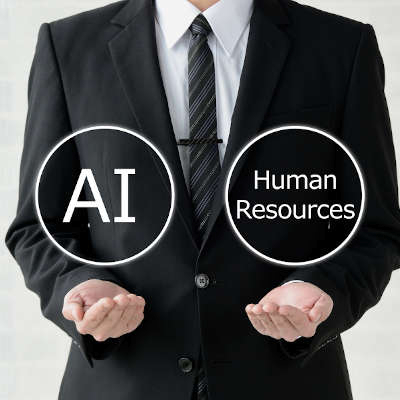
Most companies have some sort of human resources department. Some are bigger than others. Some are more effective than others. Typically, the HR department deals with a lot of the stuff that no one else likes to. Today, software is being created using artificial intelligence that will be able to complete many of these tasks. Let’s take a look at how automation is affecting the modern human resources department. 

Automation Isn’t the First Threat

Human resources cover a lot of ground in any business. In fact, many smaller businesses extend the human resources role past the seven core functions of HR. These are:

  1. Recruitment
  2. Payroll Administration
  3. Benefits Administration
  4. Training and Professional Development
  5. Performance Reviews
  6. Labor Relations
  7. Managing Compliance

Over the past several years, the company human resources department, especially at small and medium-sized businesses, has been encroached upon by outsourcing. Like many other outsourced platforms Human-Resources-as-a-Service (HRaaS) services use technology to fill in the gaps left by not having dedicated HR professionals on staff. For the business, it reduces the cost, while fulfilling virtually the same roles through remote help desk and software. 

The Relationship Between Automation and HR

Technology changes things. Does it make it better? That’s a matter of opinion, but for the business owner, not having the human resources department means that they are on the hook to complete the tasks that the human resources department undertakes; and, there is a mountain of it.

That is, unless they can automate them.

The benefits of automation are the same no matter where it is put to use. It opens the way for staff to focus on being more productive, by leaving behind a lot of menial (yet time-consuming) tasks. Aside from enhancing efficiency and productivity, there are many key benefits to automating HR. They include:

  • Reduced employee turnover through improved employee engagement
  • Reduced storage and printing costs
  • Improved risk management and properly managed compliance
  • Improved document management
  • Enhanced business decision making with comprehensive reports
  • Optimized business growth through efficient onboarding

Today, there are plenty of software-based solutions that can keep any business running effectively, but when you get a look at them, these solutions aren’t really human resources platforms, they are human capital managers. 

What is Human Capital Management?

Human capital management is a platform that encourages businesses to treat their workforce as they would any other asset. Its goal is to get the human resources of the business to work as effectively and efficiently as possible. While human resources do more to deal with the individual needs and motivations of workers, human capital management seeks to look for metrics that can be quantifiable and strategically improved upon. It basically aims to change an organization’s view of their workforce from a commodity to an investment. 

What Strategy Is Best for Your Business?

There are multiple ways that automation can be implemented in the HR/HCM process, but depending on what strategy is used, you could be setting your company up for problems from your actual human resources. Most workers don’t like being treated like numbers on a spreadsheet after all. On the other hand, divorcing business decision-making away from typical workforce considerations that aim to sap overall productivity will benefit your organization’s bottom line. 

HR is always a balancing act. 

If you would like to know how automation could help you keep your organization balanced and productive, reach out to the IT professionals at NuTech Services today at 810.230.9455.

hr_payroll_cloud_400.jpg

SMB Human Resources and Payroll Find a Home in the Cloud

hr_payroll_cloud_400.jpg

It’s no secret that cloud computing has become a major part of what most small businesses’ operations. One aspect of business administration that many businesses keep in-house is their HR department. Today, we’ll take a look at HR and payroll software, and how moving your business’ human resources department to the cloud is a good solution.

Human Resources may not be the meat and potatoes of any business, but it is exceedingly important. With all the mandates a business has to stay in compliance of, having people whose job it is to deal directly with the staff on behalf of the company makes a lot of sense. Since some SMBs don’t have a dedicated HR department, there are now platforms available that provide those services. But, let’s first start by outlining what kinds of tasks the average small business has to deal with, with a list.

The top six issues a HR department would have to deal with are:

  • Employee retention
  • Health and safety
  • Personnel
  • Payroll
  • Training and compliance
  • Employee management

Software developers have been creating dynamic human resources software, aiming to take the hassle out of a crucial part of your business. Some are pretty advanced, providing human resources directors useful automations that help them control many of the vast responsibilities placed on them. Some useful HR-related software you’ll see includes:

  • Human Resource Information System (HRIS)
  • Applicant Tracking System (ATS)
  • Onboarding
  • Benefits Administration
  • Time and Compensation Management
  • Training Management Performance, and Recognition Management
  • HR Analytics
  • Wellness Management

It seems overwhelming, but most of today’s most popular and utilized tools check most of the boxes as far as including a useful cache of tools that will allow them to manage any small or medium-sized human resources department competently.

While it once was popular to host all the applications a HR department would use on a single computer or on a very small network, today there are a few HR software vendors that provide a completely hosted solution. This means the software is hosted on secure servers that are managed by a provider, and accessible from anywhere there is an Internet connection.

Human Resources as a Service
Some small businesses have begun to completely outsource their human resources, with some success. HR as a service (HRaaS) basically eliminates the need to hire human resources staff, as the service provides resources that allow for a holistic approach to all the important tasks a human resources director would accomplish without the resounding costs associated with traditional human resources strategies.

Not only does a HRaaS platform eliminate a large section of the costs associated with human resources, it standardizes the approach to HR, eliminating the hiccups that often happen with the traditional method. A business will have their HRaaS platform customized for them and would be assigned a HR professional to help keep everything working properly.

Ultimately, it will be up to you to determine how to do human resources right. If your business is searching for a consultant to help you through hard business and technology decisions, reach out to the professional IT technicians at NuTech Services. Call 810.230.9455 to get started building a more efficient business.

project_management_outsourced_400.jpg

Skills that Your Project Manager Should Have

project_management_outsourced_400.jpg

One of the keys to launching any sort of technology initiative is to have a skilled IT project manager at the helm. As such, it is important to keep certain high standards in mind as you find someone to act in that capacity for your business. Today, we’ll review a few key traits that your IT project manager should exhibit.

Respect for ROI
Any decision made in a business, whether or not it pertains to IT, is largely informed by the likelihood that return on investment, or ROI, that the business could potentially see is promising enough that it makes he decided-upon action worth it. A quality IT project manager should have the ability to estimate the ROI of a proposed project well enough to judge if the return is worth the anticipated investment. The project manager you bring in should know to question if the change will help to increase operational efficiency or profits, and be able to determine that based on situational analysis.

Problem-Solving
An analytical mind should be a prerequisite in your search for a project manager. The ideal candidate will have considerable insight into IT systems and how they operate, from physical hardware and networking components to software solutions and cloud-based applications, and the ability to predict and mitigate obstacles to the end goal. Keep an eye out for candidates who can take all of these considerations into account and develop a best-fit approach for your business’ needs.

Loquacious with Laymen
If all of your employees had the same knowledge and insight concerning your IT projects as your IT project manager did, there wouldn’t be a need for a project manager in the first place. As a result, your project manager will likely need to discuss technical aspects of a project with non-technical business members. This will require the ability to translate the technologies that are implemented in such a way that you and your other employees are able to grasp the benefits and tradeoffs that each solution offers.

Be Decisive
There’s a natural inclination to resist change, especially in the workplace, even more so when these changes are going to put restrictions on employees. However, the IT project manager is the one responsible to put these changes into place, pushing against that resistance. Sometimes that may take the form of blocking access to social media sites through a content filter, or deciding to cancel an IT project if it doesn’t generate the return on investment that it needs to. Whatever the situation, a project manager needs to be able to make the tough calls and form a decision based on all information available.

If your company is in need of the services that a project manager can provide, NuTech Services is here to offer support. Call 810.230.9455 to learn more about how our team can help you reach IT success.

b2ap3_thumbnail_unlimited_paid_time_off_400.jpg

Do You Trust Your Employees Enough to Offer Unlimited Vacation Time?

b2ap3_thumbnail_unlimited_paid_time_off_400.jpgAs a business owner, you know how difficult establishing a paid time off policy is. Providing too little can make your business seem unfair, but giving away too much might make you feel like you’re losing money. Therefore, it might come as a shock to even suggest the idea of unlimited PTO. Some business owners, on the other hand, find it completely effective, and that it can even improve the quality of work.

The current state of PTO in the workplace is pretty standard, regardless of where you look. Employees are either given a set amount of hours at the beginning of the year which they use at their leisure, or they accrue them on a monthly or yearly basis. These employees put in a two-week notice of their designated time off, and they’re all set, so long as their absence is approved for that time. This puts a limit on recuperation time. While this might seem like it doesn’t matter, proper rest can help your team push above and beyond, to their maximum productivity.

Zach Ferres, CEO of Coplex, is a big advocate of unlimited paid time off, and for good reason. He claims that it offers a unique return on investment that’s beneficial to your business’s operation:

Employers who offer unlimited PTO report increased employee satisfaction, improved work-life balance and greater productivity. Plus, unlimited PTO can be a huge selling point when you’re recruiting, and it will actually save your HR department an average of 52 hours per year.

One popular company that has implemented this policy with great success is the video streaming service Netflix. Last year, Virgin founder Richard Branson followed suit, as reported by Business Insider:

Virgin founder Richard Branson recently declared that the company’s employees can take as many vacation days as they want, provided that “their absence will not in any way damage the business — or, for that matter, their careers!” Branson said that he got the idea from Netflix.

Of course, one of the greatest benefits that an unlimited PTO policy has is that it can make your team feel like you care about them and their personal lives. This can drastically improve operations and inter-office relationships. According to Feres, here’s how it’s done.

Trust Is Key
Before you even consider integrating an unlimited PTO policy, it’s important that you ask yourself whether or not you can trust your employees to not abuse the privilege. If they start to take days off willy-nilly, it might be time to reconsider your policy. If you take the leap of faith, however, it also shows your team that you trust them; a valuable asset that can make working for you that much better.

Create a Mandatory Minimum PTO Policy
Some employees work too much and don’t take time off, even when they do have it available. This can be harmful, especially if they get burned out from working too hard. Mistakes happen when employees are tired or overworked, so the best way to avoid this is by making them take time off once in a while. This lowers stress and keeps your employees happy.

Use a Time-Off Request Process…
Naturally, employees should have to go through a certain process in order to use their PTO. People can’t randomly be coming and going as they see fit. Generally, you should know at least a few weeks ahead of time when someone wants to take time off. You can use this time to divvy up urgent tasks to others who will be in the office.

… And Keep Track of the Requests
This is primarily so you know who is taking the most time off and why. This helps you keep track of your employees and whether or not they’re taking advantage of your PTO policy. On the other hand, you’ll also know who isn’t taking enough time off, which will make it easier to encourage them to do so.

What are your thoughts on unlimited PTO? Is this leap of faith something you’re willing to try? Let us know in the comments.