ssd_better_than_hdd_400.jpg

Tip of the Week: Got a Solid State Drive? Here’s How to Take Care of It

ssd_better_than_hdd_400.jpg

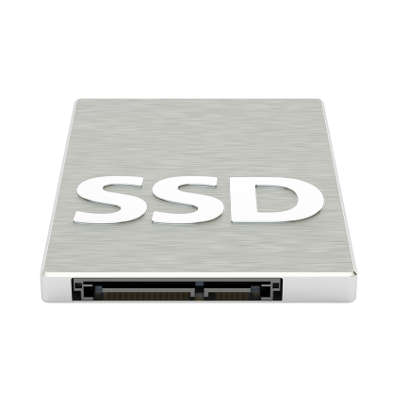
You may have purchased a solid state drive because of its many benefits over the hard disk drive. Although, if you want to get the most bang for your buck with a SSD, you’ll want to follow these best practices.

Install the Latest Operating System
Operating systems are updated periodically, but they are implemented with the idea in mind that more devices will be using a solid state drive compared to the normal hard disk drive. By upgrading to the latest operating system, you’re guaranteeing that your OS will be able to support your SSD.

Avoid Manipulating Data or Activating Wasteful Settings
An SSD can only rewrite data so many times before it’s unable to do so. While this limit isn’t low, the standard SSD can handle 40 GB of data writing every day for up to 10 years. Therefore, it’s a bad move to use your SSD to copy files or download data, as this puts unnecessary strain on the device. This means that you want to avoid the following features that your technology might be equipped with:


  • Benchmarking: While SSDs are fast to write data, it’s important to avoid running speed tests to see exactly how fast yours is. This will only shorten the lifespan of your drive, as it will use up valuable cycles that would be better used elsewhere.
  • Hibernation: Your computer can save system memory to the hard drive before it’s powered off. While this can help, you get back in business and resume operations quickly in the near future, it takes up more cycles on your SSD than you might prefer. Contrary to popular belief, putting your device to sleep and hibernation are two very different things, as letting your device sleep is much safer and more efficient for SSDs than for HDDs.
  • Defragging: When you defrag your device, it actively looks at the data to organize it on the mechanical level. While defragging improves the performance of HDDs, the benefits provided to SSDs aren’t noticeable, but the wear and tear might be if you proceed to perform them unnecessarily.

Be Mindful of Your Saves
The nature of SSDs make them more suitable for data storage of particular varieties. For example, it’s not recommended that SSDs be used to save large files, or the temporary files created by background processes. In these cases, it’s better to rely on a hard disk drive for saving this kind of data.

On the plus side, SSDs have a much longer lifespan than your typical HDD thanks to the many differences in their composition, including the use of flash storage and the lack of fast-moving internal parts. By keeping these best practices in mind, you can take a great technology and make it last even longer, allowing your business to experience fewer replacement costs overall.

Does your business rely on SSD or HDD? If you’d like a chance to improve the way your organization functions, reach out to us at 810.230.9455.

cracked_screen_400.jpg

Tip of the Week: What You Should Do After You’ve Cracked Your Phone’s Screen

cracked_screen_400.jpg

A cracked screen can happen to anyone at any time. All it takes is bumping into someone or your grip slipping off of your device, and boom–cracked screen. In cases, such as this, what’s the best way to move forward?

The first step is accepting that you may have made a mistake and dropped the phone, but this doesn’t help you fix it. Here are six ways that you can approach your cracked-screen scenario.

Just Leave it Be
If you really don’t want to get a new device or look into ways to fix your phone screen, well… just leave it as it is. This is certainly an option if the screen still works fine, but it might be a bit annoying to deal with. One thing you can do is patch up the screen with a screen protector so that it doesn’t fall apart, and hope for the best. However, if the crack is on the outside and you’re scratching your fingers on it, the next choice might be worth looking into.

Try to Find a Replacement
Since everyone and their brother owns a smartphone these days, and they are often replaced before the devices themselves are unusable, you’ll have an easier time finding a spare than ever before. It’s often the case that if you find a suitable device, all you have to do is move the SIM card from the old device to the new one. Just keep in mind that your replacement device needs to be on the same carrier (a Verizon phone, for example, can’t be used on a Sprint network). If you are the owner of a business that likes to provide phones to your workers, ensuring that you have insurance covering the phone can be the best way to mitigate the cost of one of your people inevitably cracking the screen on their company-issued smartphone.

Gamble on a DIY Repair
If a second-hand smartphone doesn’t sound like something you’d enjoy, perhaps you could attempt to repair the device yourself. While there are plenty of YouTube tutorials for do-it-yourselfers, you’ll be taking a risk that you might otherwise be better off without. Therefore, only attempt to fix it yourself if you’re aware of the consequences and committed to accepting the results, even if it doesn’t work out your way. You can probably find a replacement screen on the Internet from sources like eBay, but it might be more complex of a job than you’ve bargained for.

Have Someone Fix the Screen
If you’d rather not take any chances with your device’s maintenance, you can try to find someone who is willing to do the job for you. In most cases, this means finding a local company that you can hire for the repair job. Sometimes the service provider itself will handle this, but more likely they would have to send it out for repairs. You want to avoid going through the manufacturer (unless you’d rather foot a pricey repair bill), so it’s best to reach out to your internal IT department or a trusted IT provider.

Trade or Sell Your Phone
If you know that you’re just going to buy a new phone anyway, you might be able to get a little bit of value out of your old device before it’s gone forever. Try trading in your phone or selling it to someone who’s willing to pay a little bit of extra cash for it. Just make sure that you eliminate any data located on the device before handing it over. If you don’t know how to do this, just give us a call and we’ll be happy to assist you.

Look for a Better Price
If you’re just going to purchase a new device, you can find unlocked smartphones online–often at a better price than their designated commercial value. Even better is that these devices aren’t held back by contracts, so wireless carriers aren’t a problem either. However, it’s important that you find a device that actually works. Look for sellers who have a good reputation for providing quality used products. Remember, every time you purchase a used device, you’re dealing with at least some sort of risk.

With smartphones being extremely important for communications and remote productivity, every business should be cognizant of solid smartphone practices. If you are looking to manage the role smartphones have on your network security, or, if you’d like to expand the role smartphones have in your business, you should talk to one of NuTech Services’s IT professionals. We can present solutions like mobile device management, allowing your business to take advantage of a comprehensive bring your own device policy. We also have lines on innovative ways to affordably improve organizational smartphone deployments. Call us today at 810.230.9455.

atm_best_practices_400.jpg

Banks Enact New Security Solutions to Safeguard ATMs

atm_best_practices_400.jpg

All across the United States, banks are rolling out ATM improvements to help boost the security of their members by utilizing mobile devices. While these measures will undoubtedly help, they aren’t enough to fix all of the vulnerabilities that ATMs suffer from without some vigilance on the user’s part.

What is Being Done
Wells Fargo launched an initiative that allows their members to access their accounts via automated teller machines, without the use of their ATM cards. By utilizing the bank’s mobile application, an account holder can receive a temporary code that will grant them access to a Wells Fargo ATM when paired with a personal identification number.

While Wells Fargo is the first bank to incorporate app-based access to all 13,000 of their ATMs, other banks aren’t far behind. Chase, Bank of America, and Citigroup have also begun to incorporate similar functions into some of their ATMs.

This isn’t the end of improvements to Wells Fargo’s ATMs, either. Wells Fargo is making the necessary additions to allow members to utilize near-field communication (NFC). By doing so, bank members won’t even need their card to access the ATM. Instead, their mobile device prompts them to scan their fingerprint and enter their pin. So far, about 40 percent of the bank’s ATMs are equipped for this functionality.

Why These Advancements Might Help
Advancements like these are sure to help boost the user’s account security while they utilize these machines to handle their finances. Criminals have been getting more clever in their schemes, and it shows. There were six times as many ATMs that were compromised in 2015 than in 2014.

Scammers now use spy cameras and card skimmers in tandem to collect the information they need to gain access to a bank member’s accounts. These skimmers are able to be inserted directly into the ATM’s card reading mechanism, where it is almost impossible to detect their presence. The same can be said of the pinhole cameras that criminals will use to capture a user’s PIN number. These tiny devices are remarkably difficult to spot.

Worse yet, criminals will often damage machines that don’t have their devices inserted, forcing users into their trap. If you see a row of ATMs with only one in working order, it’s best to give that one a pass.

If you think that a user is safe if they were to use a chip-based card, rather than the magnetic strip, you’d be mistaken. Much as they capture the information from a card’s magnetic strip, scammers have a method to do the same with the card’s onboard chip. Known as “shimming,” this approach is rare but will likely only increase in popularity as more transactions are made with the chip functionality. Plus, these chip-based cards still have the magnetic strip as well, tempting many to swipe away their security.

A Few Issues That Remain
Unfortunately, there are still factors that make ATM machines an effective vehicle for scammers. First of all, many of these new security features were added to the ones already present in the ATMs, rather than replacing them. For instance, while Wells Fargo ATMs will permit the use of a temporary PIN, they will still allow account access through the less secure methods as well. Not to mention that out of a total of 70 million members, there are only 20 million Wells Fargo app users. This means that there are 50 million bank members who aren’t even using the features.

This is assuming that those 20 million app users will make use of them, anyways. Habits are hard to break, so many account holders will likely continue to carry and swipe their ATM cards, despite having a more secure way to access their accounts.

What Should You Do?
Whether you’re dealing with the accounts for your business, or your personal finances, keep security in mind whenever you happen to use an ATM, and take advantage of the improved, more secure processes that are available to you. At the very least, shield your PIN number with your other hand as you input it into the machine.

Is it worth potentially allowing a criminal to access your (or your business’) accounts? Share your thoughts with us in the comments!

embrace_clean_your_pc_day_400.jpg

Tip of the Week: Here’s Your PC’s Wish List for National Clean Out Your Computer Day

embrace_clean_your_pc_day_400.jpg

Do you know what today is? It’s National Clean Out Your Computer Day! This means that there is no time like the present to make sure that you’re taking good care of your business’s technology assets. In honor of this day, we’ll discuss ways in which you can take better care of your technology.

Consider Your Unused Applications
It’s inevitable that your organization will stop using certain applications as time goes on. Maybe they’re just not necessary anymore, or they became outdated and you replaced them with better, more efficient solutions. Regardless, it’s important to make sure that you’re not paying for software that you no longer use, so make sure that you routinely uninstall software that fits this description. It’s a best practice to evaluate whether or not you need software that’s only used once or twice every couple of months.

Be Ready to Update Your Software
If you want to make sure that your PC is operating at maximum capacity, you need to keep your software updated. Patches and updates are designed with two purposes in mind: 1) Shore up weaknesses in security protocol, and 2) Improve the performance of the software. This is why it’s so important to make sure that you always keep your software up to date. Just be sure that all of your legacy apps don’t suffer from compatibility issues before upgrading to the latest versions, so reach out to NuTech Services before making the jump.

Run Defrag Software
Do you ever wonder what happens when you save and delete files, or move them from place to place on your hard drive? Pieces of your data wind up being stored in various locations, which makes it more difficult for your computer to effectively gather and open them when the need arises. Defragging your hard drive essentially gathers all of these pieces of data and places them where they originated, thus improving PC performance. Keep in mind that defragging only applies to hard disc drives, not solid state drives. Also, if you’re running a newer version of Windows, then you don’t have to worry about defragging because Windows will automatically do this for you when the drive isn’t in use. Defragging software is a great way to negate trouble, but if you’re hesitant to try this yourself, be sure to reach out to NuTech Services.

Clear Your Workstation of Dust
Dust collects over time, so it’s in your best interest to clear it before it can cause damage to your workstation. A can of compressed air can help you blow away the dust that collects around vents and fans on your computer. Also be sure to turn your keyboard upside down and shake it to clear away skin particles and food crumbs that may have fallen into it.

Remember Your Computer’s Insides
Before cleaning your PC’s insides, make sure that you properly shut down your computer and unplug it from the wall. If you’re not in the habit of peeking inside your computer, you may be surprised to see it coated in a layer of dust. This dust comes from the computer’s fans, and it can cause some serious performance issues, like overheating and computer crashes. Take a can of compressed air and blow away any dirt or dust that persists within. Also of note is that you should never touch components with just your bare hands, as the oil on your fingers could potentially cause damage. We’d prefer that you reach out to a trusted technician like those at NuTech Services before trying any internal maintenance yourself.

If all of this sounds like too much work, well… we can’t blame you. After all, you have a business to run. What you can do is reach out to NuTech Services and have our trusted technicians take good care of your technology. To learn more, reach out to us at 810.230.9455.

eighty_twenty_rule_for_it_400.jpg

Let the 80/20 Rule Be Your Guide for IT Security

eighty_twenty_rule_for_it_400.jpg

IT security is something that businesses of all shapes, sizes, and varieties have to be concerned about. You’ll be faced with the question of whether you have adequate security practices on a daily basis. For help with understanding why the smallest vulnerabilities often result in the most data loss, look no further than the 80/20 rule.

This rule, often called the Pareto Principle, is defined as such by Investopedia: “[the Pareto Principle] specifies an unequal relationship between inputs and outputs. The principle states that 20 percent of the invested input is responsible for 80 percent of the results obtained. Put another way, 80 percent of consequences stem from 20 percent of the causes.”

In other words, the Pareto Principle is a strategy that attempts to explain how you should delegate your organization’s security resources in order to maximize the security you get. In this case, you are using your assets to protect your network from online threats. However, you might realize that even if you search and search for network vulnerabilities, you won’t find all of them. There are simply too many threats out there to identify. Instead, you use the Pareto Principle to identify where you can do the most good for your organization’s network security.

This principle can also work in reverse; only 20 percent of the vulnerabilities on the Internet lead to 80 percent of the data loss. When you think about it, this makes sense. How often do you hear about major data breaches in which multiple vulnerabilities were exploited? Instead, it’s usually just one major hack that led to many compromised accounts.

Yet, the biggest part of effectively using the 80/20 rule is determining what your priorities should be, and which threats are the most dangerous. After all, if everything is a priority, then nothing can get done. This results in all-around subpar security that leaves large threats unchecked.

A penetration test can help NuTech Services  to find where your organization’s most important security flaws lie. We can locate and resolve your most critical security flaws through a process called Remote Monitoring and Management (RMM), which allows us to connect to your office’s technology solutions and issue the required patches and security updates without an on-site visit. In fact, most situations will only call for remote access, so you can save both time and money with an RMM tool.

In fact, there’s one solution that is capable of protecting the majority of your network without much effort at all. It’s called a Unified Threat Management solution, and it includes all of the major components of network security in one convenient package. With an enterprise-level firewall, antivirus, spam blocker, and content filter, you can know with certainty that one solution covers the majority of the challenges presented by network security.

With NuTech Services’s managed IT services, you’re creating many opportunities for enhanced network security, improved network performance, and optimized operations. To learn more about how we make technology work for you, reach out to us at 810.230.9455.

are_you_being_scammed_400.jpg

Tip of the Week: 6 Tips to Avoid Getting Scammed This Holiday Season

are_you_being_scammed_400.jpg

The ingenuity of criminals knows no bounds, especially when it comes to the holidays. You’d think that scammers would be merciful during this time of peace on Earth and goodwill to man. Nope. This is when they step up their scamming efforts, which means you need to be ever vigilant.

Here are six scams to be mindful of this holiday season.

Be Careful Where You Donate
The holidays are a great time to make end-of-the-year donations that you can deduct from your taxes. Unfortunately, scammers know how to play on people’s heartstrings and they’ll set up fake charities with slick online websites in order to scam you out of money that should be going to help others.

To make sure you’re giving to a legitimate charity, AARP recommends, “Before donating to a charity, make sure it is registered with the Secretary of State and ask how much of the money goes to the charitable fundraiser and how much goes to the charitable purpose.”

Be Wary of Fake Gift Cards
Often used as a gift for the person who “has everything” or as a small supplement to be given besides a larger gift, gift cards are a very popular gift to give. However, gift cards are also a vehicle for scammers to use. For example, how often do you see great deals on gift cards on online auction sites? As it turns out, those “great deals” are very likely for stolen, worthless cards.

The easiest way to avoid this sort of scam is to only purchase gift cards from a trusted, licensed merchant. Also, if you’re purchasing the card at the store it’s for, ask the cashier to check the balance of the card so you don’t get scammed into buying a bogus card placed on the rack by the thief.

Be Sure to Track Your Packages
The holidays are crunch time for parcel delivery services. For thieves that may lack hacking and technical skills, simply walking up to a front porch and stealing a package is an easy way to make some fast cash. They may even have zero use for what’s in the box, but that won’t keep them from walking off with your goods, just in case there’s a chance that it contains an item of value.

To prevent this risk, when you order a package make sure that your signature is required in order to receive it. This will prevent the package from being left on your steps for a thief to easily grab. Also, remember that you can have the package delivered to your work address if nobody will be at your house to sign off for your package.

Watch for Credit Card Skimmers
Some thieves even have the know-how to steal data from your credit card using skimming devices at ATMs and other POS devices. Therefore, it’s preferable to shop with a credit card over a debit card, and there’s a lot to be said for cash being a secure way to pay for things. Also, look closely at the device before scanning your card. If it looks like it’s been tampered with, then you’ll want to alert store management.

Don’t Fall for Bogus Deals
Finally, it never hurts to rely on some relatively timeless shopping advice: if an offer sounds too good to be true, it probably is. Before completing any purchase that seems like the deal of a lifetime, make sure you at least familiarize yourself with all of the terms, and consider the ones that probably aren’t mentioned. No deal is worth risking your financial future for.

Be Safe Online
Finally, there are plenty of scams to be found online. The best way to avoid getting taken by an online Grinch is to follow best security practices. These include:

  • Before submitting any sensitive information, look for the padlock icon in the address bar, along with HTTPS at the beginning of the URL.
  • Only shop on websites that have a good reputation.
  • Avoid using public Wi-Fi when shopping online.
  • Avoid using your debit card online. Instead, use credit cards and gift cards.
  • Be skeptical of unsolicited emails in your inbox, especially when it comes to fake invoices and bogus shipping orders.

By avoiding these six scams you can shop with confidence this holiday season. It’s also important to keep in mind that these scams are utilized by thieves all year round, so you’ll want to always be looking out for them.

Have you fallen for any of these scams or encountered any of them while shopping? If so, share with us your scam story in the comments.

cleaning_your_computer_400.jpg

Tip of the Week: How to Clean Your PC Like an IT Pro

cleaning_your_computer_400.jpg

Just as anything else will, a computing device will need some TLC to keep it physically clean and in tip-top shape. In order to clean your system safely, you will need proper tools, and the know how to properly clean your PC.

For a basic cleaning, a can or two of compressed air and lint-free wipes should suffice. For jobs that will require a little more elbow grease, you will need to add a few more items to this list–a small screwdriver, cotton swabs, and isopropyl alcohol (make sure it’s isopropyl, and not ethyl-based).

Cleaning Out the Desktop
Before you get started, keep in mind that you’ll be dealing with some pretty sensitive hardware. We highly recommend having an experienced technician handle this for you.

First and foremost, you’ll want to completely power-down your system. This includes not only powering down the machine but also killing power to the surge protector it is plugged into and removing the power supply cord from your system. Wipe down the case exterior using a static-free dust cloth and get rid of dust that has been caught in the external vents, preferably by using your compressed air once the case has been opened. For dust bunnies of above-average size and other assorted crumbs, carefully go through and wipe them away with cotton swabs before using the compressed air to rid the system of the remaining dust.

As you use the compressed air, be sure not to sustain the stream for too long, as it could damage some of the more sensitive components of your system. You should also be very careful of what you touch in the system and avoid any bare or soldered wire to avoid serious electric shock. As you will almost certainly be generating static, make sure that you touch the metal and plastic frameworks frequently enough to keep you fairly equalized.

Once you’ve finished with that, close the case back up and go over it again with your dust cloth.

While it may be tempting to just take a vacuum to the buildup of dust in your system, don’t. The bristles on the vacuum are notorious for generating static, which can easily damage the delicate internal parts that your system relies on to function.

Making Your Screen Spic and Span
There is little more annoying than fingerprints and smudges streaking up your screen, especially when you are trying to focus on your work. Fortunately, cleaning the screen of your display is fairly similar to cleaning a window, with a few special considerations.

If you utilize an LCD display, applying a half and half mixture of distilled water and white vinegar to a microfiber cloth and gently wiping the screen works wonders to rid it of debris. If you still operate a CRT monitor, an ammonia-free glass cleaner will do just fine while preserving the screen’s coating. Make sure that you don’t spray the device with whatever liquid you use in either case. Instead, apply the cleanser directly to the cloth and wipe down the screen that way.

Keeping the Keyboard and Mouse Clean
Of all of your computer’s components, the keyboard and mouse will be the ones that are exposed to the most debris and bacteria as they are handled almost constantly during computer use. To do a basic cleaning, unplug your keyboard from the rest of the system and turn it upside-down, gently shaking it to dislodge any crumbs and other particles that are trapped between the keys. Another option is to use a can of compressed air, spraying between the keys at a 45-degree angle. Once you’re confident that most of the accumulated mess is cleared away, gently flip it over and shake it out again before carefully wiping it with an antibacterial wipe and drying it with a microfiber cloth.

If your keyboard is a membrane type keyboard, it is possible to remove the keys to get a good, comprehensive clean. Before you do so, be sure to create a record of the keyboard’s layout so your keys may be replaced properly.

To remove the keycaps, use the small screwdriver to gently pry them from their housing. However, because they can be difficult to put back on, leave larger keys (like the space bar, shift, and enter) on the keyboard as it is being cleaned. Use compressed air, cotton swabs, and isopropyl alcohol to clean out the grime that was hiding under the keys. Once you’re satisfied, snap the keycaps back in place and test thoroughly.

As far as the mouse goes, the overwhelmingly more common LED-sensor models will only need to be wiped down with a lint-free cloth and a few quick swabs of rubbing alcohol.

A Clean Workstation is a Happy Workstation
Keeping your computer clean can provide many benefits beyond just the aesthetic value. Equipment will likely run better, last longer, and be less apt to make you sick through exposure to simmering bacteria and germs. For more ways to optimize your technology experiences, make sure you keep checking back to our blog.

access_old_clipboards_400.jpg

Tip of the Week: Access Old Clipboard Content With ClipDiary

access_old_clipboards_400.jpg

The Copy and Paste feature has long been a staple of computing, but it’s easy to lose something that may have once been stored on the clipboard. Most people who have used a PC understand this pain and will be happy to hear that recovering the lost “copy” might be easier than they thought. A third-party tool called ClipDiary allows users to retrieve information lost in this way, but without it, it’s notoriously difficult.

The Copy/Paste Conundrum
Let’s say that you copy some important text to your clipboard with the intention of using it somewhere–perhaps a username or password. You close the app containing this information and open the app that you need to enter it into, but then you get distracted by the Internet. Maybe it’s a cat video or a page of memes. Regardless of what it is, all you know is that you want to share it with the world via social media. You copy the URL of the page, and that’s when it hits you: you have copied over the information on the clipboard that you needed to use elsewhere.

Now you have to go back into the app you’ve already closed and copy the original information, or worse–completely rewrite the whole thing. Depending on your situation, you might realize that this is a bigger pain that it needs to be. Think about it like not saving the progress on a favorite video game, or forgetting to put a bookmark in a novel.

The unfortunate reality is that there isn’t a “secret” file within Windows that holds your copied content, so there’s no way by default for you to access any deleted copied content. Instead, you can install an app called a clipboard manager, like ClipDiary, which allows you to retrieve your copied content.

Introducing ClipDiary
If you’ve experienced the aforementioned Copy/Paste dilemma, or it’s a mistake that you can see yourself making in the future, try installing ClipDiary: http://clipdiary.com/

ClipDiary lets you dodge this bullet. Just enter the keystroke Ctrl+D to open ClipDiary. The app will display your clipboard history and allow you to copy items back to your clipboard.

The problem we explained in detail is just one of the ways which Copy/Paste woes can translate into missed productivity, and how ClipDiary can help. For some other similar tales, check out this blog from ClipDiary’s website:

http://clipdiary.com/clipboard-articles/using-clipboard-history-and-clipboard-manager.php

ClipDiary also comes with some pretty useful features:

  • Insert saved data directly into any application
  • Fast copy data back to the clipboard
  • Paste text without formatting (as plain text)
  • Find data you once copied to the clipboard
  • View the list of clips in the clipboard history viewer window
  • Recover data accidentally replaced in the clipboard
  • Improve your productivity and save lots of time with the clipboard manager

If you choose to check out ClipDiary, let us know what you think. It might turn out to be the most useful tool you’ve never heard of.

best_practices_for_security_400.jpg

Tip of the Week: 5 Steps You Can Take to Foil the Plans of Hackers

best_practices_for_security_400.jpg

Hackers have the ability to cripple systems and steal important (or sensitive) data, and if you’re not careful your business could become their latest victim. Here are five ways that you can make it more difficult for hackers to infiltrate your systems and steal your data.

Protect Important Security Credentials
Hackers naturally target the credentials of important figures within an organization. This could entail stealing the usernames or passwords from someone who has access to crucial, mission-critical information, like the administrator of your IT department or your business’s C-Suite staff. Therefore, it’s important that you ensure these credentials are protected by encryption, and that they’re as long and complex as possible. If you store them anywhere, it should be in an encrypted password manager, where only they can access them.

Restrict Admin Access
Similar to the above point, you want to restrict access to certain locations of your network on a per-user basis. This means keeping the average joe from peeking at information like financial credentials and personally identifiable information, among other things. The fewer people who have access to important information, the less likely it is that this data can be stolen. Therefore, your users should have access to only information that they need to do their jobs properly, and nothing more.

Augment Password Security with Best Practices
If you’re using a password manager, you can implement all sorts of password best practices to further augment your organization’s security. For one, password managers make it so that you can feasibly use different complex passwords for every single one of your online accounts. This is important, seeing how long, complex passwords that utilize upper and lower-case letters, numbers, and symbols are very difficult to remember on their own.

Cut Down on Shadow IT
Hackers love to take advantage of forgotten-about technology solutions to infiltrate networks. While you might be patching all of your organization’s crucial software solutions, you might be neglecting that open source word processor that an employee downloaded one day. You should emphasize to your team that if they need a solution to do their job properly, they should go through the proper channels (like through IT or management) before implementing an unapproved solution.

Train Your Staff on IT Best Practices
While it’s helpful that you understand IT best practices, this can only get you so far. You should make IT security a part of company culture by thoroughly educating your staff on how to stay safe online. Teach them what to do if they suspect that they’ve been hacked, and help them avoid dangerous threats, including malicious links, spam phishing attacks, and unsolicited email attachments.

To learn more about cyber security, reach out to NuTech Services at 810.230.9455.

is_there_good_stress_400.jpg

4 Reasons Why You Should Quit Stressing Out About Stress

is_there_good_stress_400.jpg

Stress is a natural part of the workplace. It’s almost impossible to make it through the workday without getting stressed out about at least one thing or another, especially when you’re a business owner. In these stress-filled circumstances, it’s important to remember that stress isn’t always a bad thing; it has some redeeming factors that are often lost amongst the cacophony of shuffling papers and constant phone calls.

However, this needs to be mentioned before anything else; stress created for the sole purpose of being stressed cannot possibly become a good motivator. Inc states that “stress that comes from not having enough information or that’s based on an irrational fear is a poor motivator.” Therefore, it makes the most sense to keep stress to a minimum whenever possible, as there’s no good reason to be stressed out all of the time. Remember, stress without control can be dangerous, and you can’t let it take over your life.

That being said, there are some benefits to be gained from the occasional bout of stress. Here are four of them.

Stress Provides a Much-Needed Energy Boost
We often think of stress as a draining factor that can sap energy right out of you, but it’s hard to argue that a sense of urgency comes from being in conflict with something or another. You’ll notice that you’re more aware of your surroundings, and you actually have the energy required to complete your work.

Stress Proves that You Do, In Fact, Care About the Project
If you’re stressed out about a certain project, at first you might hate yourself for it. You might fool yourself into thinking that you don’t care how it turns out, and that you just want to get it done. This is actually the opposite of what’s really happening. If you’re stressing about the project, you care about its outcome. Otherwise, why would you be stressed? Make this connection yourself and you can harness the frustration and channel it into energy.

Stress Teaches You to Enjoy the Times You’re Not Stressed
Imagine working outside in absurdly hot weather, under incredible physical duress and on an empty stomach. You then walk into an air-conditioned home with a delicious meal waiting for you on the dinner table. Working with stress can be absolutely awful, but it will teach you to enjoy the little things in life that much more.

Stress Inspires Quick Action
Stress is something that literally nobody wants to deal with, so naturally, people will move toward a solution in order to absolve themselves of the pain it brings. This doesn’t mean that you should make stress to create that sense of urgency; rather, you should think of the stress as an unfortunate advantage, like falling out of an airplane and into a giant pit of pillows.

Despite its advantages, stress is still something that must be properly managed if you want your team to succeed in their endeavors. One of the main reasons why employees might be stressed in the workplace is thanks to using outdated or dysfunctional hardware and software solutions. Think about it; if you weren’t able to work in multiple browser tabs at once, or open your mission-critical apps, you would probably be in a tight spot, and may actually begin to feel stress.

NuTech Services’s managed IT services can make it so that you never have to feel stressed about your technology or IT budget ever again. To learn more, reach out to us at 810.230.9455.
used_computer_400.jpg

Tip of the Week: 4 Guidelines When Buying Used Computer Equipment

used_computer_400.jpg

One way that your business can save money is by purchasing used computer equipment, but only if you do your research and perform a meticulous analysis of where it’s been, and why it’s no longer being used. If you’re serious about purchasing pre-owned computing equipment, consider these four tips.

The Hard Drive’s Age
One of the most critical components of a computer is the hard drive. It can be difficult to judge the condition of a hard drive by observation, so keep this general rule in mind; the average lifespan of a hard drive is about five years, so you don’t want to purchase one that’s four or more years old. Or, rather, you should prioritize finding those that have more life left in them, as an older hard drive is typically at a higher risk of crashing.

However, an older hard drive doesn’t necessarily have to be technically useless. This five-year rule only applies to hard drives that see continuous use. If you find one that’s been used sparingly during its lifetime, it will probably have more life left in it than you might initially think. In general, the five-year rule isn’t something that you need to hold to. Just like any technology solution, there will be hard drives that can outlast others; some are known to exceed even 10 years without experiencing issues. Solid state drives are capable of bypassing this rule altogether, as they’re built to last for much longer than the hard disk drive.

In the end, you want to make your decision based off of what you need your hard drive to do. If it’s something that absolutely cannot fail, you may be better off just purchasing a new one outright. Or, you could use a reliable data backup and disaster recovery solution, like a BDR, and hope for the best.

Also, be sure to give the computer a test before you actually purchase it (if possible). If it’s making strange noises, it’s not a safe investment for your business.

Clean Up Your Used Technology
As you’re well-aware, computers are known to collect all kinds of grime, germs, and dust. This is important to keep in mind when you purchase a new PC, seeing as it might not be the cleanest machine in the world. It’s your responsibility to clean it up and make sure that it, or any of its components, are ready for use. Of course, depending on how long this process takes, you may just come to the conclusion that it’s too much of a hassle.

Additionally, there are some other components of workstations that are way too germy to be passing around the office. One example is the keyboard, a device so filthy and foul that it collects more germs than toilet seats. Just let that sink in before you pass on a used keyboard to another user. You might come to the conclusion that it’s better to just buy a new one.

The Parts Might Be Damaged
Whether you want to believe it or not, there’s a reason why someone is selling their used technology. Either it doesn’t work, or they found something that works better. Basically, it comes down to functionality. There’s no point in shopping around and investing in used technology if you wind up getting something that doesn’t work as intended. You would have been better off just purchasing a new part altogether, but you may not realize this until it’s too late.

This is what’s known in the technology industry as risk management. Some sources, like reputable online dealers, will be more reliable to purchase used technology from. Others, however, may not be so trustworthy. We’re looking at you, Craigslist.

Consult the Professionals
Here’s one last tip for procuring quality computer equipment: contact the IT professionals at NuTech Services. We’ll provide a clear risk assessment, identify quality sources of used IT equipment, and suggest new and affordable solutions that you may not even have known existed. It never hurts to ask for a second opinion.

If you’re finding that technology solutions are difficult to come by, reach out to us at 810.230.9455.

irs_scam_400.jpg

Couple Jailed for Scamming More Than a Couple Dollars From the IRS

irs_scam_400.jpg

It all goes to show: don’t mess with the IRS. The prison system has two new residents, after Anthony Alika, 42, and his wife Sonia, 27, were sentenced for filing fraudulent tax returns through the often-exploited “Get Transcript” site maintained by the Internal Revenue Service. In addition to their incarceration, the Alikas will each be responsible to pay restitution to the IRS.

Ultimately, Anthony is to serve 80 months in prison followed by three years of supervision upon release, in addition to paying $1,963,251.75 in restitution for conspiracy to commit money laundering. Sonia was handed down a sentence of 21 months of jail time, also followed by three years of supervision, and an IRS restitution totalling $245,790.08 for structuring cash withdrawals to avoid the required bank reporting. Each pled guilty to their charges.

These sentences were passed after the Alikas were found guilty of laundering $1 million in money stolen from the US Treasury by filing fraudulent forms, specifically income tax returns populated with data stolen from the Get Transcript vulnerability. The Get Transcript function, meant to allow taxpayers to review their past returns with clearly spelled-out information, also allowed the Alikas to obtain the data they needed to make off with their ill-gotten funds.

The Alikas, along with co-conspirators, would purchase prepaid debit cards and registered them to the identities they had stolen, before filing false returns for those identities and receiving the refunds on the prepaid cards. They would then use these cards to purchase money orders, deposit that money into bank accounts, and withdraw their loot in multiple small increments to avoid the bank reporting of the transactions.

This isn’t the first time hackers have used the Get Transcript portal, either. In May of 2015, 100,000 tax accounts were stolen and used to take almost $50 million from the IRS. This is all because the authentication requirements to access the necessary information are flimsy.

Reacting to this case, the United State Department of Justice put out a press release outlining some best practices to keep personal information and accounts as safe and secure as possible.

File Early
A tax refund criminal can’t file a false return if the return has already been filed by the actual individual who should be doing the filing. The longer a return goes without filing, the more opportunity a criminal has to file one fraudulently.

Use Strong Usernames and Passwords
This one goes for any and all online accounts, but especially for those containing information as sensitive as a tax return does. If a close family member could get pretty close to the credentials with a guess, those credentials are nowhere near strong enough.

BONUS TIP: Randomized strings of upper and lower-case letters, numbers, and (if permitted) symbols are the most secure option when selecting a password.

For more tech security information to help keep your data–and yourself–safe, keep coming back to the NuTech Services blog.

useful_windows_10_tips_400.jpg

Tip of the Week: 4 Windows 10 Tips You’ll Use Again and Again

useful_windows_10_tips_400.jpg

It’s been almost one year since the release of Windows 10. Are you taking advantage of everything Windows 10 offers? Here are four of the best Windows 10 features that you’ll want to start using right away.

Virtual Desktops
If you’ve never used a virtual desktop before (not to be confused with desktop virtualization), it’s a feature that allows you to open up multiple desktops that can be used for different things. This is ideal if you want to organize and spread out the way that you use your apps and windows, and helps to keep your main desktop free from the clutter. To open a new virtual desktop, click the Task View icon next to the Cortana search bar. Select the New desktop feature on the right corner of the screen. Then, if you’d like to move an open app to a different virtual desktop, it’s only a matter of clicking and dragging it to where you’d like the window to be.

Advanced Screenshots
Windows 10 lets you take screenshots in a quick and easy way. To do so, just hold down the Windows key + Prt Scn. This captures your entire screen, and will place the file in a Screenshots folder. Or, alternatively, you can press Alt + Prt Scn to copy the screenshot to your clipboard, and then paste it into your preferred image editor. Another great way to edit your screenshot is to use Windows 10’s built-in Snipping Tool to customize it.

We’d also like to add that communicating with tech support is made much easier by using screenshots of your specific trouble. A visual representation helps technicians figure out the exact problem, and take steps toward resolving it.

Record Your Screen
Windows 10’s latest Xbox app allows users to record their desktop screens, which can be useful if you want to put together a quick tutorial or record a task being completed for future reference. To get started, launch the Xbox app, then press Windows + G while you’re in the app that you want to record. You’ll be shown a message that says, “Do you want to open the Game bar?” Check the “Yes, this is a game,” option, and click the record button. Even if it’s not a game, you’ll be able to record something quickly and easily.

Battery Saver Mode
On Windows 10 mobile devices, you can customize how the battery saver mode works. Specifically, you can control when it turns on. Normally, the battery saver mode will kick on around 20 percent, but you can change it to suit your preference. All you have to do is go through Settings > System > Battery saver.

Of course, if you can’t take advantage of these tips because you don’t have Windows 10, it’s not too late to claim your free version of Windows 10 from Microsoft. Just a few days from now (July 29, 2016) you’ll be unable to get it for free. Of course, before doing so, you’ll still want to consider the pains of the migration process. If you don’t do your research, your business could suffer from unexpected downtime and incompatibility with legacy applications.

Now that you know of these four tips, how will you use Windows 10? Let us know in the comments, and be sure to subscribe to our blog for more great tips and tricks.

it_lessons_for_management_400.jpg

Every Business Owner Must Understand These 4 Fundamentals of IT

it_lessons_for_management_400.jpg

It makes no difference how your business’s administrative chain of command is set up. Everyone should have a basic understanding of how your IT works, as well as its related responsibilities and functions. Here are four easy ways that you can educate yourself (and your staff) on how your IT department works, be it internal or outsourced.

Know Who to Contact for Support
You should be aware of who your point of contact is for your IT department. If you don’t, your employees probably don’t, either. Therefore, you need to lead by example and share this information with them in the event of technical difficulties. Doing so allows your team to cooperate with IT and improve operations, so that minor technology issues don’t evolve into major problems that could have a drastic effect on your working operations.

Working with Vendors
Businesses often have several vendors for each of their various hardware and software solutions, which can make dealing with them unnecessarily complicated and frustrating. You should have an understanding of who to contact within these vendors if you’re experiencing an issue with their products. Basically, by being aware of information pertaining to your organization’s relationship with its vendors, you can’t go wrong.

Basic Security Best Practices
Every single one of your employees should understand how to keep your organization’s infrastructure secure. There’s no getting around the importance of data security. Your information is sacred, to the point where your organization can hardly function without the data you collect on a daily basis. Here are three best practices that should be followed to a T:

  • Employees should use long, complex passwords.
  • Employees should use two-factor authentication.
  • Employees should be able to identify potential online scams.

Managing Laptops and Mobile Devices
If you have employees who bring their own devices to the workplace, a trend known as BYOD, then you should be taking responsibility to manage these devices. Mobile devices that haven’t been equipped with a mobile device management solution in accordance with your BYOD policy, could potentially become a liability. There needs to be oversight into how mobile devices access and use your corporate data, and to restrict the flow of data for security reasons.

This may seem like quite a lot to remember, but don’t worry; NuTech Services has your back. Most of the above problems can be solved simply by having an IT technician whom you can rely on. We provide outsourced IT services, including consultation, vendor management, and mobile device management policies, all so your business can function properly without a hitch. For more information, give us a call at 810.230.9455.

do_not_completely_unplug_on_your_vacations_400.jpg

Taking a Vacation From Your Technology While On Vacation Can Actually Make Things Worse

do_not_completely_unplug_on_your_vacations_400.jpg

Everyone loves a good vacation, especially if you have the good fortune of having a reliable staff on-hand that can handle the administration of your office while you’re away. Although, it might be tempting to just cut yourself off from technology and enjoy your time off, doing so might cause problems down the line that could easily be prevented by simply checking your email or calling home-base once in a while.

The reasoning for this is simple: you want to make sure that operations are proceeding as intended, even if you’re not there. If you completely check out from the workplace every time you leave, you could return from your vacation to a complete and total disaster that may have been prevented with your intervention or insight. In order to keep this from happening, here are three tips that will help you enjoy your vacation, without completely forgetting about the life’s blood of your existence: your business.

  • Check your email once a day. While you’re in the office, how many times do you check your email every day? While it’s recommended that you check your email once every couple of hours while you’re at the office, you shouldn’t be doing it this often while on vacation. The problem with this practice is that your inbox will quickly fill up and be overwhelming upon your return. Instead, you should check your email as often as you might check your personal email inbox– maybe once a day. Address major questions or problems, and leave the less important inquiries for later. Doing so can make your return to the office easier and less stressful.
  • Set boundaries for your availability. You can’t have your employees calling you left and right with supposed emergencies. Instead of having uncontrolled chaos, you should implement a time where you will be available to discuss issues. It shouldn’t be very long; maybe an hour in the morning or afternoon, depending on how large your role is within your organization. Use this time to check in with the office and see how operations are running. If everything is fine, you can go back to your vacation without a care in the world.
  • Establish a clear chain of command in your absence. People need leadership, and as the business owner, it’s your responsibility to ensure that they have someone they can turn to while you’re out of the office. In general, it’s a good idea to have a clear chain of command even when you are in the office. This helps your team understand who is in charge, and where they need to bring issues to. Doing so can alleviate some of the pressure that you might feel when out of the office; plus, you’ll have more time to relax if you’re certain that your office is in good hands during your absence.

By taking advantage of these three tips, you can make it easier than ever to come back from an extended vacation, without leaving your office grasping for straws. For more great tips, tricks, and technology management best practices, give us a call at 810.230.9455.

social_network_security_400.jpg

Tip of the Week: How to Avoid Oversharing on Social Media

social_network_security_400.jpg

Social media, as wonderful a tool for connecting and communicating as it is, does have its dangers. Fortunately, these risks may be mitigated through careful deliberation and pragmatic posting habits, but only if you know what they are. What follows are some easy habits to encourage a heightened state of security both digitally and in the physical world.


  • Share with Caution: There are some pieces of information that really have no business on a social network, as they could be used to the benefit of identity thieves. One really obvious example is the unique-to-the-individual Social Security Number, but it isn’t totally wise to share your home address or phone number, either. Birthday information and other personal details should only be shared if the site offers private profiles – but even then, think twice and be sure to triple-check your privacy settings frequently, and only add those who you know personally. If all a thief needs to verify that they are you is your date of birth or your dog’s name, you might be opening yourself up.

A side note: Even if you trust your privacy settings and your list of contacts, never post your address and/or a post sharing your agenda until after the fact. Announcing that your home will be empty on social media for a given amount of time is inviting criminal activity into your residence.

  • Limit Employment Details Online: Sites like LinkedIn, while phenomenally helpful with professional networking, can also provide identity thieves with a blueprint of your life thus far to exploit. Unless actively seeking employment for a time, leave just enough to entice those who view your profile to contact you directly to seek more information. Take advantage of privacy settings on those sites as well.
  • Do an Online Audit: The online world is vast. Your information could be in more places than you think. Friends and contacts of yours could post information about your real-time whereabouts that others could exploit, or your information could exist outside of the real-time social media sphere, in cached browsers and the like. Do a quick search for yourself online and remove anything you can. Google Street View will reveal details about your life that can easily implicate your financial situation, a quick request through their “Report a Problem” feature will solve that with a blurred image, rather than your home and belongings.
  • Continue with a Social Audit: How well do you know all of your personal social media contacts? Would you welcome them into your home? Share intimate details about your life with them? Call them friends? If any of the corresponding answers are negative, these people probably don’t need access to your full account and information. Limit access to your info (with certain exceptions, if you must) or ideally remove people from your social media sphere.

Social media can be both a fun personal venture as well as a valuable professional networking resource, but like any other tool, it must be handled with care. For more information, tips, and best practices to apply to your social media habits, read more of our posts or call NuTech Services at 810.230.9455.

b2ap3_thumbnail_touchpad_problems_400.jpg

Tip of the Week: 5 Technical Tips to Troubleshoot a Troublesome Touchpad

b2ap3_thumbnail_touchpad_problems_400.jpgLaptop touchpads can be rather fickle. You may have experienced the frustrating situation where you’re using the laptop and then an unexpected glitch causes the mouse to jump across the screen. This error can actually cause data loss if it happens at the worst possible time, but it’s also just plain unproductive. Here are five troubleshooting tips to keep your touchpad in good working order and prevent this all-too-common issue from happening.

Keep in mind, not all touchpads are created equal – some devices might have better, more calibrated touchpads than others. If yours has always been difficult to use, reach out. We might be able to help.

Be Aware of Your Hand Placement
This issue may be as easy to resolve as resting your hands differently on your laptop. If you’re not careful, it’s easy for your hand to brush the touchpad as you type, causing your cursor to suddenly jump. This can be a challenge if you’ve got large hands, or if you’re sitting in an odd position that causes your hands to type differently than what you’re used to. If you adjust your hand placement accordingly and this issue persists, then continue on to our next tip.

When’s the Last Time You Cleaned Your Touchpad?
You know full well how dirty hands can be. Now, try not to think too hard about how gross your touchpad might be after perhaps years of use. If it’s been awhile since you last cleaned your touchpad, then it’s likely accumulated a shiny layer of skin oil, dirt, and other tiny particles that would make you lose your lunch if you actually knew what they were (fact: keyboards are less sanitary than toilet seats). If your touchpad is too dirty, then it won’t read your fingers correctly. Therefore, give your touchpad a good wiping and see if that works.

Disconnect Other External Input Devices
Sometimes, an external input device like an external mouse, graphics tablet, or keypad may be interfering with your touchpad. It’s difficult to ascertain exactly as to what causes this interference, but it’s been known to happen. In fact, sometimes even having your laptop plugged into an electrical outlet or its docking station will interfere with a touchpad’s performance, depending on the device. Therefore, try unplugging everything from your laptop and see if that makes your touchpad more responsive. At least then, it’s easier to hone in on what the problem actually is.

Update Your Drivers
If you’ve got an older laptop, then perhaps the driver that controls the touchpad interface needs to be updated. Check with your laptop’s manufacturer to find out if your computer has the latest drivers. This can be accomplished by going to their website, calling their support hotline, or by contacting NuTech Services at 810.230.9455.

Replace the Touchpad
If all of these troubleshooting tips don’t work, then it may be that the touchpad hardware has gone bad and needs to be replaced. A procedure like this isn’t something that can be easily done by an amateur; we don’t recommend that you try it. NuTech Services’s IT technicians can take care of this for you, as well as troubleshoot other computer-related issues and annoyances that you may be experiencing.

Bonus Tip: Get a Wireless Mouse
Often forgotten as a mobile solution, a simple wireless mouse can be much more effective than a clumsy touchpad. Of course, this is based on your personal preferences, but if your laptop supports Bluetooth, you can pick up a wireless, battery-operated mouse. If your laptop doesn’t support Bluetooth, there are options that include wireless USB dongles.

Is this a common problem that has slowed you down? We hope that these troubleshooting tips will help. For more great technology-related tips and tricks, subscribe to NuTech Services’s blog and check back every week!

b2ap3_thumbnail_windows_admin_400.jpg

Why You Need to Think Through Which Employees Have Access to What Files

b2ap3_thumbnail_windows_admin_400.jpgIt’s clear that your IT department should have administrator privileges with your business’s technology, but the average employee is another story altogether. Administrator privileges provide users with the ability to do many things, such as install programs and access admin settings. Administrator privileges are exactly what you want to keep users away from, and it turns out that the majority of flaws in the Windows operating system depend on these privileges.

According to a report released by security firm Avecto, it’s estimated that a solid 85 percent of all critical flaws within an operating system can be plugged simply by removing administrator privileges. Most home and consumer-based PCs utilize administrator accounts by default without much thought, but this is a dangerous practice in a business. If hackers can gain access to administrator privileges, they can make changes to the core OS files and steal important information. Most businesses that prioritize security will have limited user privileges on their provided workstations, which help to keep malware and other threats out of central files imperative for the continued functionality of the machine.

As reported by ZDNet:

The report said that removing admin rights could have mitigated more than 99 percent of flaws affecting Internet Explorer, which had a critical-rated flaw almost every month; and mitigated 82 percent of all vulnerabilities affecting Office. The company analyzed the entire batch of vulnerabilities in Microsoft’s monthly security patch update, dubbed Patch Tuesday, to see which flaws would be less impacted whose logged-in accounts “are configured to have fewer user rights on the system.” Out of the entire batch of vulnerabilities reported, 63 percent would be mitigated or unexploitable if admin rights were removed.

User privileges are an easy topic to set on the back burner and forget about, especially if you’re a small business with a small workforce. You might like to think that there’s minimal chance for user error, but the cruel reality is that people make mistakes, be it accidentally misplacing files or allowing malware to run rampant throughout your business’s critical systems. Unfortunately, all it takes is one oversight to leave your entire business infrastructure vulnerable to damage caused by hackers who have administrator privileges.

Therefore, it’s recommended that your organization take full advantage of a user management solution that puts a lid on what the majority of your employees can access. Your users should only be accessing files and information that’s important for their daily duties. For example, the average employee doesn’t need access to personal employee records or client payment information.

Are you doing everything that you can to limit your mission-critical data’s exposure to threats? Security-minded businesses will be taking advantage of not just role-based user access, but also secondary security solutions like firewalls, antivirus, spam blocking, and content filtering solutions that are designed to prevent infiltration in the first place. These four features can be implemented in one comprehensive solution called a Unified Threat Management (UTM) tool.

For more information about proactive IT measures, remote monitoring and maintenance, or IT security, give NuTech Services a call at 810.230.9455.
b2ap3_thumbnail_clean_computer_400.jpg

Tip of the Week: Don’t Use Your Keyboard as a Dinner Plate and 3 Other PC Best Practices to Live By

b2ap3_thumbnail_clean_computer_400.jpgComputers are complex devices that require special attention to keep in optimal shape. Unfortunately, some people don’t pay enough attention to the current state of their computers. Once you’ve cleaned your computer properly, though, it’s important to make sure that it stays that way for as long as possible. Doing so can increase the longevity of your technology, and prevent it from an untimely demise.

Keep in mind that whenever you decide it’s time to clean your computer, be sure to power it down and unplug it before doing so. It’s better to be safe than sorry, especially with expensive hardware.

Don’t Eat, Drink, or Smoke at the Computer
Remember all of those crumbs that fall out of your keyboard when you turn it upside down? All of those crumbs got there somehow, and it’s probably thanks to one habit that you might have: eating at your desk. To minimize the amount of crumbs that fall onto your keyboard, it’s best to just lock your PC and go eat somewhere else, like the kitchen, dining room, or break room. Furthermore, smoking in the same room as your computer can gunk up your fans and other components with ash, tar, and other nasty substances that are found in cigarettes.

In general, it can be good to separate yourself from your computer while you eat. If you’re doing it at work, it separates the work environment from you momentarily, which can be helpful for maintaining your sanity.

Clean Your PC Regularly
Giving your PC a thorough cleaning is only the first step toward ensuring that your computer remains in optimal shape. In order to keep it that way, you need to set up regular upkeep cleaning sessions, where you clean out the keyboard, the monitor, and the main body of your PC. Doing so can considerably prolong its lifespan, and it makes it more appealing to look at when you have to sit in front of it for hours on end.

If you need help knowing how often (or how) to clean your PC, ComputerHope has a great calculator that helps you determine how often you should do so. The variables that it takes into account include your lifestyle, where your computer is located, who’s using it, and so much more. We think it’s safe to say that you should clean your PC at least twice a year, maybe more if your lifestyle calls for it.

Give it Room to Breathe
In order to keep your PC functioning at optimal efficiency, you need to give it the space it requires to run without overheating. In other words, you should keep it in an open location, where all of the fans are capable of keeping air circulation flowing. This prevents overheating, and can improve overall functionality of the device. Furthermore, you should keep your PC tower off of carpet if possible, to help with keeping the heat low.

Constantly Clear Dust Collection
Desktop PCs and workstations tend to be a bit on the large side, and therefore, don’t move around as much as laptops or other smaller devices do. This leads to computers collecting dust in the fans, vents, and just about anywhere else. It’s important that you keep your PC dust-free whenever possible; otherwise, it could run into operational issues due to overheating, keyboard stickiness, and so on. In fact, dust can even cause PC components to seize up and stop working.

The best way you can keep your computer dust-free is to keep a can of compressed, or “canned,” air right on your desk. This way, you’ll have a neat tool for cleaning your PC available at your disposal. Please be sure that you don’t spray liquids at your computer, ever. If you have to use a liquid cleaner, use water, and use a damp cloth rather than a spray bottle to directly apply the liquid, but never use water on an internal computer component.

For more great tips on how to take care of your technology, subscribe to NuTech Services’s blog.

b2ap3_thumbnail_on_off_400.jpg

Tip of the Week: Should You Leave Your PC On, or Power it Down?

b2ap3_thumbnail_on_off_400.jpgAt the end of the workday, you’ve got an important decision to make: power down your desktop or log off? Each option has its own set of pros and cons, but are you confident that you’re making the right decision? Here’s how to find out for sure.

First off, the answer to this question is dependent upon how frequently the machine is used. For the sake of this blog article, let’s address the computing needs of the average office worker who uses their PC for the Monday through Friday, 9-to-5 grind.

Secondly, we feel the need to address a common perception about turning a computer on and off: it does NOT cause physical harm to the equipment. This was the case in the early days of the PC, back when the power surge from powering it on was actually bad for the components, but this issue has been resolved since 1993.

Another factor to consider is power consumption. If you’re the kind of person that likes to make sure every light is turned off before going home and you pride yourself in finding ways to lower your electricity bill, then you may want to power down your machine for the night. Although, if you’re looking to leave it on in order to get a jump start on your workday, then put your PC in sleep mode (aka, Standby or Hibernate) before leaving the office, instead of turning it off. Sleep mode is designed to use as little energy as possible, which equates to less than what’s used by a traditional light bulb.

Your geographical location should also factor into this decision. For example, if you live in a place that’s prone to natural disasters and the power grid sporadically blackouts, then you’re going to want to power off your machine at the end of the work day. Unless your IT infrastructure is equipped to handle power inconsistencies with tools like an Uninterrupted Power Supply, a powered-on computer can be damaged by a sudden loss of power.

Also, as explained by Computer Hope, while turning off a PC can protect from a sudden loss of power, turning it off does nothing to prevent damage from a power surge:

A power surge destroys electrical devices regardless if it is on or off. Therefore, turning the computer off does not prevent this from occurring. The only way to prevent power surges is to unplug all power cables, phone cables, and network cables.

Another factor that you’ll want to consider is your computer’s maintenance schedule. For example, it’s best practice to run a daily virus scan at night so that the scan doesn’t interfere with your work during the day. Also, if you’re taking advantage of managed IT services like what NuTech Services provides, then you’ll want to leave your desktop powered on so that we can remote into it (or all of them) and run scans, apply patches and updates, and more. If the machine is powered down, then we won’t be able to access it and do our job.

After considering all of these different factors, only you can know if it’s best to turn off your PC at the end of the day, or keep it on. Whatever you decide, NuTech Services is here to support your decision, along with your company’s IT infrastructure. This is one service that you’ll never want to turn off.