hybridWork_527720872_400.jpg

Hybrid Work Has Led to a Decrease in Necessary Office Space

hybridWork_527720872_400.jpg

With the COVID pandemic still affecting businesses all over the world, many are still considering remote and hybrid work operations. In fact, there are many employees who have yet to step back into the workplace in any capacity, meaning that workspaces previously well-populated are being underutilized.

According to a 2022 Office Space survey conducted by Robin Powered, businesses are struggling to make effective use of their office space due to a number of factors. These factors include the ongoing pandemic, the Great Resignation, and the simple adoption of remote or hybrid work policies in general. Here are some of the results and numbers from the report:

  • 46% of respondents surveyed in July don’t use any more than half of their available office space.
  • A paltry 11% utilize all of their available office space.
  • 48% of respondents claim their use of available office space has decreased since the start of the pandemic.
  • 60% of those currently using half or less of their current office space had already downsized pre-pandemic.
  • 46% of those surveyed plan to reduce their office space in 2023.
  • 59% of those surveyed plan to cut their office space by half or more.

The reason behind these numbers makes perfect sense. 83% of respondents claim that they have made the above changes to save money, whereas 73% of them have plans to move in the direction of hybrid operations before they would consider layoffs or other cost-saving measures.

The interesting part of the survey is how employees respond to these new policies. Here are some of the results:

  • 37% of employees working for surveyed companies work in-house full-time.
  • 61% of employees are working in hybrid accommodations.
  • 87% of hybrid employees spend two or more days a week at the office.

So, if your employees are spending time away from the office, you should be shifting your focus to how you can best support your employees during their remote and hybrid work times. After all, you’re saving money from the arrangement, so why not reinvest those assets into making the experience better and more meaningful for your employees?

If you work with a technology provider like NuTech Services to handle the implementation and management of your remote work needs, then you’ll know for sure that your infrastructure can handle this shift for long-term success. To get started, call us today at 810.230.9455.
Risk_135412552_400.jpg

You Need to Address Risks Head On

Risk_135412552_400.jpg

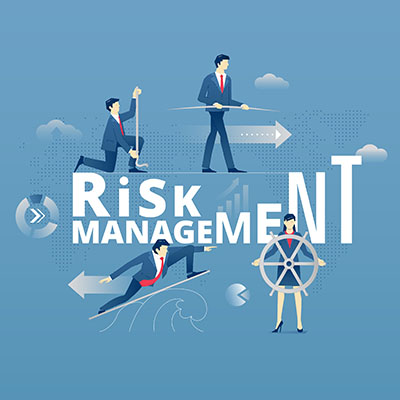
Nowadays, there seems to be risks at every turn that can negatively impact your business. Obviously, some are more concerning than others, but ultimately you need to find solutions to every problem you have to ensure that it can run routinely, let alone efficiently. Let’s take a look at some of the risks the average small business faces and what technology can do to help you circumvent these particular issues. 

Network Security

One of the biggest problems that businesses face is the prospect of having their network breached by cybercriminals. The concern is that because there are so many people looking to steal data or illegally access your network to siphon money, data, and leave your business holding the bag, that you need a comprehensive plan to keep your network secure. 

These days, IT threats come in all sizes. There are marginal threats that can slow down your business’ growth to ransomware that could have a marked effect on your ability to operate. That’s why it is crucial to ensure that you are doing everything you can to protect your business from cyberthreats. Three of the most important are:

  • Employee training – Most threats that negatively affect a business hit your employees in some way first. Making sure that they know how to spot a potential phishing attack; how to make, and when to update, a secure password; and how to securely handle data is critical. 
  • Security software – The deployment of security software is more in-depth for businesses than it is for individuals, but it’s the same concept. Deploying antivirus and anti-malware tools can help eliminate threats; spam protection can cut down on the amount of time-wasting and potentially dangerous messages your staff is exposed to; firewalls can help eliminate threats entering your network; and content filtering can keep staff off of potentially dangerous websites.
  • Data backup – One of the best ways to ensure that no threats have longer lasting effects on your business is by ensuring that important data and applications are backed up locally and in the cloud. 

Physical Security

More people are working remotely, sure, but many businesses are trying to maintain a company culture with employees working from an office or other location. With crime on the rise, it’s important that every business has the security tools in place to ward against theft and other physical security problems. You may be surprised to know that a lot of data breaches start because of a physical security breach. 

There are several strategies and tools that NuTech Services can help with to maximize your business’ physical security. They include:

  • Digital cameras – One of the best deterrents to those interested in breaching the security of your business are cameras. Security systems can go a long way toward protecting all of your investments. 
  • Access control systems – Not every employee needs access to every part of your business. Putting in advanced access control systems can help keep unauthorized people out of certain areas and can produce sophisticated logs that can help you ascertain when problems happen if one does pop up.
  • Digital signage – Sometimes not having clear signage can inadvertently cause security problems. Digital signage is continuously customizable and more affordable now than at any time in the past. 

Keep Your Business Secure

At NuTech Services, we can help your business be as secure as possible from a litany of threats. If you would like to talk to one of our knowledgeable consultants about how we can help you get your security where you need it to be, give us a call today at 810.230.9455.
476051890_tech_support_400.jpg

Technology Support is Crucial when IT is Everywhere

476051890_tech_support_400.jpg

Most things in your office depend on technology in some way. That’s just the simple fact of life these days. Let’s examine just how much of your business depends on the technology that powers it and how companies increasingly depend on IT to manage the countless devices that have permeated the office environment.

IT Makes the Workday Go Round

Let’s start from the beginning. After grabbing your morning cup of coffee, you sit down in front of your computer and power it on.

Yes, that is in the realm of IT.

While most of your workday will be spent sticking to your job description, i.e. what you were hired to do for the business, the way that you go about this work will likely include some kind of technology tools.

Those are also IT.

Following a busy and successful workday, you might need to submit a timesheet for review and for payroll.

This is also IT.

A shocking amount of your business’ operations and workflows depend on functional technology solutions, so we ask you now, how well is your IT infrastructure managed?

Make Sure You Are Taking Care of Your Important Technology Assets

Since your business relies on IT to get the job done, it’s incredibly important that you manage it appropriately. NuTech Services can help you make the most of your solutions. To learn more, reach out to us at 810.230.9455.

workplaceFriction_315007567_400.jpg

Are Tensions High at Your Business? How to Get Relief

workplaceFriction_315007567_400.jpg

There are countless stressors that must be taken into consideration for your business, but there are two that stand out as chiefly important during the workday: digital/workplace friction and interpersonal friction. What can you do to help make them less of a problem for your employees?

Let’s examine what digital/workplace friction can do to disrupt your employees’ productivity.

Digital/Workplace Friction Comes from Excessive Options

Your team members have specific applications which they are expected to use for communications and collaboration, but how many of them actually have a choice in what they use? Simply put, the more options that your employees have to choose from, the greater the chances that they will have difficulty finding it later on—particularly in the realm of data storage and information processing. You could say the same thing about your company, to a degree.

Communication is the same way. The more ways that people have to get in touch with each other, the less clear the lines of communication will be, leading to miscommunication or being unavailable on platforms which someone expects them to be available on. Consider how many of these communications are strictly necessary and trim the fat, so to speak, so productivity can become the central part of their workdays.

Soothing This Kind of Friction is Relatively Simple…

To streamline the tools you use for communication and collaboration, consider removing your business’ legacy applications and systems, as they could be holding your organization back while also putting it at risk, if you aren’t properly maintaining them. Really, after a certain point, it becomes a question of value, as well. Surely there is a better application that fulfills the needs of your business, right? Remember to keep your eyes on the outcome and your mind open to the tools that help facilitate that process.

Interpersonal Friction is a Somewhat Different Beast…

…and it’s one that remote work has created complications for. Furthermore, since it is easy for employees to hide behind their keyboard, dead giveaways for friction like body language can go unaddressed, allowing feelings to fester over time.

If left unchecked, this kind of friction can eventually lead to a disdain for the company or even resentment, something which will impact your bottom line. Imagine a workplace where people would rather call in sick than deal with the interpersonal friction they might experience, or the mental health problems it can exacerbate.

It’s In Your Best Interest to Minimize Interpersonal Friction However You Can

Fortunately, you can do something about this before it’s too late, and it all starts with involving your remote team in more communications. This starts with ensuring that your business’ employees have access to the tools they need to work with each other in a productive and personal way, like video conferencing and instant messaging. They can all be found in modern collaboration platforms, for the most part.

It’s also incredibly important to be able to spot potential problems with your employees, all while opening up the conversation and ensuring that communication tools are there to help you facilitate it. While in a video conference, for example, you might notice body language cues or tone of voice. Little things like these can be powerful hints as to what must be addressed with interpersonal friction.

We Can’t Help You Ease Workplace Tensions, But We Can Give You the Tools You Need to Do So

NuTech Services wants to help your company overcome its friction through the use of better communication and collaboration strategies. To learn more, reach out to us at 810.230.9455.

ideaGenerationInnovation_483715593_400.jpg

Is Innovation Slowing to a Point of Concern?

ideaGenerationInnovation_483715593_400.jpg

Innovation is a driving force behind business, and it has been for essentially the entirety of human existence. The pandemic has brought about an era where businesses are producing solutions that have many new features, but these features don’t necessarily enhance or add anything to the customer experience. Let’s examine how this desire to stay profitable flies in the face of true innovation and doesn’t provide useful or practical products to consumers.

First, let’s take a look at what are known as upstream and downstream activities. Upstream activities provide businesses with the ability to create and produce goods or services, and they include gathering staff, resources, and logistics. Downstream activities are those that go into the facilitation of creating a product or service, as well as what goes into selling them.

Upstream Issues Complicate Things

As a result of the global pandemic, many organizations experience shortages and inconsistencies with their supply chains, making it difficult to procure equipment or components to produce quality products. Additionally, “the great resignation,” did not help at all, solidifying many peoples’ decisions to leave their jobs over health and safety concerns, issues of pay, and straight-up burnout. With so many moving parts in place, it’s no wonder some companies struggle to manage operations.

It’s not easy running a profitable business, as building better processes and hiring top talent requires funding that you might not necessarily have. Enterprises have an easier time with this, as they have more resources at their disposal for research and development, but small businesses need to find ways to keep up, or their return on investment suffers.

Marketing Taking the Place of Consistent Innovation

There is always money to develop and research products, especially when compared to the amount of funds typically designated for marketing and advertising. The latter is generally one of the smaller items on the SMB budget list. To stay competitive and to keep things fresh, SMBs have to grow their offerings, but the trick comes in how they do so. Enterprises can make do by spending extra on development and marketing of products, but SMBs often find themselves in the impossible position of spending money they don’t have to develop new products or to focus on what has brought about their current level of success.

With the costs of business increasing ever-higher, SMBs are trying to make up for the lack of innovation through marketing and advertising campaigns. Furthermore, SMBs are spending less on the sales processes and administrative costs of maintaining operations, like IT and HR, something which leads to shortcomings in processes and talent acquisition that is detrimental to their success.

People are Paying More for Less

Ultimately, what these trends lead us to notice is that consumers are paying more for less. Eventually, this trend will lead to products or services no longer being viable for customers purchasing products from SMBs, as the price point increases while the value proposition remains the same. SMBs depend on the customer-first mindset, and without the funds to make sure this happens, their customers and even their workforce might not stick around to see what the future holds.

How We Can Help

You may have noticed that the IT costs for small businesses have started to rise, so now it’s time to ask yourself if you are getting what you pay for. NuTech Services prides itself on reducing your technology costs and expenses, and it’s all thanks to our managed IT service model. We can monitor and maintain your technology so you can focus on operations and providing value to your customers. To learn more, reach out to us at 810.230.9455.

decisionQuestion_494444136_400.jpg

4 Steps to Improve Your IT Decisions

decisionQuestion_494444136_400.jpg

Businesses are rarely successful without the ones steering the ship having the ability to make great decisions. Whether it’s managing your workforce, supporting your customers, or procuring the right equipment to best facilitate productivity, good decision making will be at the heart of any organization’s success. Let’s examine how you can make better decisions as they pertain to your technology solutions.

The most important part of procuring any new technology solution is how it will impact your workflow. With so many technology solutions out there, you need to implement those that make sense for your business. To ensure this happens, consider the following four suggestions.

Consider Alternative Costs

Implementing a new solution is wonderful, but only if your staff know how to use it. If you try to implement a solution to enhance productivity, you’ll need to also consider the return on investment in terms of how much time you’ll have to spend getting your team on board with it, along with the time spent training and testing your staff on its use. It might not seem like an immediately apparent cost, but we assure you it is a very real one.

Involve the Right People In the Discussion

When discussing new technology implementations, it’s important to get the perspectives of the people who will be using it. This might mean asking your staff, particularly experienced employees, or other stakeholders and management. With these valuable perspectives on your side, you’ll be able to make the most educated decisions possible about any new technology implementation project.

Choose Your Partners Carefully

When it comes time to add new solutions to your infrastructure and processes, you’ll want to work with businesses that have your company’s best interests at heart. In other words, the vendors you work with should be invested in your company’s success rather than just looking for their next big sale.

Remember to Set Achievable Goals 

Without realistic and achievable goals, any new technology implementation will be doomed to failure. Big changes might be a big deal for your business, but only if they have direction. Otherwise, you could wind up being mired in the processes that drag your business down and prevent it from making any forward progress. With clear objectives and goals, you’ll be able to optimize your chances for success.

When it comes to implementing new technology, it’s best to leave this important task to professional technicians with years of experience and expertise. NuTech Services can consult your organization on the best path forward. To learn more about what we can do for your company, reach out to us at 810.230.9455.

supply_chain_229477928_400.jpg

Businesses are Feeling the Impact of Supply Chain Issues

supply_chain_229477928_400.jpg

The pandemic forced businesses to reexamine the way that they operate, but even though the pandemic is, unfortunately, still ongoing, many have returned to conducting business as usual like they did before it began. One part of business that will not return to normal anytime soon is the supply chain, as these issues will likely persist into the future.

What is Your Supply Chain?

Your supply chain is the network of vendors your business works with to ensure access to products or services rendered. Your various vendors make up your supply chain. It doesn’t just include products, either; it can include activities, people, information, and other resources that let you maintain operations.

A supply chain is incredibly important to the continued success of your business. For example, if your organization makes shoes, then you need access to the materials to make said shoes, like leather, rubber, and otherwise. Another example is the computers you use to provide goods or services to your customers. If there are shortages in the supply chain or if products are unavailable, then your supply chain will be disrupted, which also means a disruption to your operations and a negative impact on your bottom line.

Why is the Supply Chain Having Problems?

There are several reasons why the supply chain is experiencing problems, one of which is the pandemic. People were forced to move essential employees off-site, meaning they needed the technology to make this happen. The pandemic placed a significant strain on the materials required to work remotely, and the goods needed to move entire workforces remotely could not keep up with demand. This is why certain components are hard to come by, even all this time later.

Additionally, there is a labor shortage in the form of crucial workers who make the supply chain work. Countless people have quit their jobs over the past year, including warehouse workers and truck drivers, both of which are essential to the supply chain, creating bottlenecks—which hamper it. The people in these positions are being asked to do more, and they quite simply can’t. These issues aren’t getting better; if anything, they are getting worse.

What Can You Do?

Here are some things you can do to keep the supply chain from impacting your organization to the extent it might otherwise:

Inventory Control

There are two parts of having effective inventory control. First, you’ll need to have an extensive list of your inventory so you know what you have on-hand at any given time. If you don’t, you might find yourself falling behind. The other part of inventory management is mitigating risk by building a surplus. While it’s not the ideal state of things, it’s the way we have to get through the pandemic supply chain problems.

Be Flexible

If you source specific components or products from a manufacturer, they may not have access to the same goods and services they had in the past. They will do their best to get you what you need, but there might be a chance they cannot fulfill the order. Therefore, you should be open to sourcing your products or services from alternative suppliers if necessary. While it’s great to have the established relationships with manufacturers, you also need to keep your needs in mind.

Use Technology

Technology can help make your supply chain problems less of an issue. Software can automate a fair amount of the inventory process, and the Internet of Things is also invaluable for letting you know which parts of your business might need to be addressed.

NuTech Services can’t control the supply chain issues, but we can help you address these challenges with complete and total transparency. To learn more about what we can do for your business, reach out to us at 810.230.9455.

security_399603500_400.jpg

Businesses Need to Focus on Security with Remote Workers

security_399603500_400.jpg

There are plenty of companies that have implemented remote work policies to combat the isolation forced upon us by the COVID-19 pandemic. Some businesses even had to resort to downsizing or shutting their doors completely because they could not adapt to these circumstances. Today, as we enter 2022, we thought we would take a look at the role security plays in an effective remote work policy.

The Pandemic Has Shown Businesses How Well Remote Work Can Work

Even though there has been somewhat of a resistance to remote work, the companies that chose to embrace it have fared pretty well. Even now, two years after the beginning of the pandemic, people are still seeing the value of remote work. It has afforded organizations the flexibility to adjust operations as needed to accommodate changes in infection rates. Some employees have completely changed their opinions on remote work as a result of the pandemic.  A PwC survey conducted in August revealed that nearly a fifth of these workers would like to be fully remote, even without COVID in the picture.

Despite the benefits, however, security is still a sticking point for many companies. There are many cybersecurity challenges that come with remote work, especially where working from home is concerned.

Unfortunately, Remote Work Can Provide Cybercriminals with Opportunity

One of the most difficult parts of remote work is maintaining a minimum acceptable level of cybersecurity. The unfortunate reality is that your employees who work from home will not have the same protections on their home networks as they do while at the office. This means you will have to invest a little effort into making sure these workers are as protected as possible.

Security Issues Can Come from All Angles

When it comes to cybersecurity, there are many challenges for remote work, chief among them the lack of control you have over your team members’ personal devices and their home network. They will not be as secure as they might be on your in-house network. Furthermore, they will not be as focused on security as a result of being isolated in their homes, increasing their risk of exposure to threats.

So, While Remote Work Can Be Valuable, You Need to Keep It From Making You Vulnerable

It’s clear that you need to do something to protect your remote employees while they are working out of the office, but what can be done? We have a list of practices and solutions for businesses that want to be more proactive about these remote work vulnerabilities. Here are some of them:

  • If an employee has no choice but to use a public Wi-Fi connection, make sure they are utilizing a reputable VPN (virtual private network) to secure data while it is being transmitted
  • To help prevent employees from transferring data from work devices to private ones, putting together a Bring Your Own Device policy to help establish some control over the device and allowing them remote access to your infrastructure or using the cloud helps to secure your data.
  • Password practices need to be upheld just as vigorously as they would be in the office. Not only do they need to be complex enough, they all need to be unique. Multi-factor authentication (MFA) should also be implemented to double-down on the security that accounts are protected by.
  • Physical security also needs to be remembered when working remotely. Devices should never be left unattended in a public place, and it is not a bad idea to secure them in the home as an added safety precaution.
  • All devices used for work, including the modem and router supplying wireless Internet, need to be kept up-to-date so that they remain secure.
  • All remote users should be reminded of the threat that scams and phishing attacks pose, with ongoing training and other awareness-enhancing activities being conducted on a regular basis.

This might seem like a lot to handle, but that’s why you don’t have to do it alone! To learn more about how we can help your business keep itself secure, reach out to us at 810.230.9455.

AI_tech_422714232_400.jpg

It’s Possible to Change Your Bad Habits. Today, We Explain

AI_tech_422714232_400.jpg

Have you ever wondered how it is that people can build up bad habits over time, yet break them and establish better ones? Have you also noticed how difficult it can be to break habits that have been ingrained into the very fibers of our being over an extended period of time? Believe it or not, people can change, and the science behind it—neuroplasticity—can provide some valuable insights into how to make it happen.

Neuroplasticity is an umbrella term which refers to the brain’s ability to change and adapt in response to various stimuli. This is not a simple reframing of mindset or something of the sort—this is physical, neural change which occurs in the brain. Such is the power of our experiences; they literally shape the way we see the world, view opportunities, and adapt to change. The neural networks within the brain actively rewire themselves in response to what you experience throughout life.

The idea of a growth mindset is grounded in the concept of neuroplasticity, that things are not as set-in-stone as you might think. Dr. Carol Dweck, a Professor of Psychology at Stanford University, speaks of the concept of a growth mindset in her TED Talk on the topic, making the case for how such a mindset shift is critical for today’s youth in learning environments.

In essence, Dweck claims that the growth mindset levels the playing field and makes knowledge infinitely more accessible. This concept of “not yet” versus “not good enough” or “failure” is incredibly empowering, as it implies a trajectory for growth rather than the static trajectory implied by the fixed mindset, where your skills remain the same and you have to simply learn to deal with your shortcomings.

You can see how this mindset shift can impact business operations as well as personal habit-building or learning. By simply saying “not yet,” you suddenly have a goal and a means to meet that goal. With an action plan in place, you can move forward with purpose, which is better than saying “I can’t do this” or “I’m not good enough.”

The thing about neuroplasticity that you must keep in mind is that the brain cannot rewrite habits and restructure tendencies overnight—this is a gradual process that can take place over a long span of time. Therefore, if you truly mean to use the concept of neuroplasticity to change the way you look at various parts of your life or business model, it is going to take time. You must be patient to see real change occur.

As for immediate change, we might recommend that you implement technology solutions designed to enhance productivity. You might find that your shifted mindset will allow you to leverage your new and improved technology in the most meaningful way. NuTech Services can help with the acquisition of new technology, from conception to reality and beyond. To learn more, reach out to us at 810.230.9455.

458659124_best_practices_400.jpg

5 Useful Technology Tips Your Business Should Consider

458659124_best_practices_400.jpg

In order to get the most value out of your business technology, it’s important to understand best practices and how they can figure into your business operations. Let’s examine some of the most effective practices that you should include in your day-to-day operations and how they can benefit your organization.

Emphasize Security

Security should be a top priority for your company. Considering the fact that you can rarely turn on the news without seeing headlines of some major cybersecurity breach, you simply cannot underestimate hackers. Hackers consider data to be incredibly valuable, so you should treat it with the same value by protecting it as best you can. Plus, hackers who want to steal your data can do so from anywhere in the world under the right circumstances.

Your company absolutely needs to have sufficient IT protections in place to keep threats away, and your team should also be security-minded if you want to have any hopes of challenging these hackers. This is especially important as the world moves forward with remote and hybrid workplace policies.

Adopt Cloud Computing

Cloud-based options further augment your organization’s ability to handle remote work. Cloud-based options give you the ability to access data, solutions to process and utilize it, collaboration tools to stay in touch while out of the office, and so much more. The cloud can even help with business continuity through the use of cloud-based backups. There is no shortage of benefits to using the cloud in everyday business.

You would think that these options would cost a premium, but you can take advantage of the cloud with little-to-no maintenance needs for a small monthly fee that is easy to fit in any budget.

Automate What You Can

In terms of productivity, nothing helps more than automating specific processes so that they can occur more quickly and more accurately. Automation gives your business the ability to take many traditionally rote responsibilities and remove the human resource aspect of them, replacing them with computing resources.

Unfortunately, the term “automation” is often associated with downsizing and replacing workers with machines. We urge you to shift your mindset and instead consider it as an opportunity to free valuable human resources for other, more valuable tasks. In other words, you are using non-human resources to give people more opportunities to flourish within your organization.

Communicate

Whether you are streaming a video online or using your business’ Voice over IP phone system, your organization is using bandwidth, meaning that this resource will be incredibly valuable for you as you move forward. That said, bandwidth-demanding communication applications are notorious for eating up too much unless you take action to stop them from doing so. You must work with an IT provider like NuTech Services to ensure that your business’ bandwidth needs are being met.

Don’t Sacrifice Quality for Costs’ Sake

The most important takeaway for this blog is the following: make sure you get value out of your technology investments. This does not mean sacrificing quality for the sake of cutting costs. What we’re trying to say is that IT can be expensive, so you want to make sure that any new investments in hardware or other external resources will yield a return on your investment. Instead of cutting costs and settling for less-than-stellar resources, choose to identify inefficiencies and redundancies that can be addressed through implementation of new IT resources.

You can rest assured that NuTech Services is the best value out there for your business’s IT needs. To learn more about what we can do to help your business establish the above best practices, reach out to us at 810.230.9455.

325778648_employee_quitting_400.jpg

3 Ways to Keep Your Business Secure When Employees Leave

325778648_employee_quitting_400.jpg

Turnover happens in the business world. It’s just a matter of when and how often it happens, as well as how your organization responds to it. If your company fails to address certain parts of the turnover process, it could have negative consequences that must be addressed. We’ve put together three ways that you can be sure former employees do not cause you trouble when they leave, particularly in regards to staffing and cybersecurity.

Understand Why They Are Leaving

The first step toward taking appropriate steps to secure your business is to understand why the employee is leaving. Are they feeling frustrated for some reason? Did they get a better offer that you can’t compete with? Were they potentially hired by one of your competitors? Knowing these things will help you gauge whether or not the employee will pose a threat upon departure, as well as revisit particular aspects of your business that might prevent turnover in the future.

Are There Hard Feelings?

While it’s not particularly likely to happen, it goes without saying that an employee with a sour attitude toward your business might use what they know to negatively influence you after departure. This is why it’s incredibly important to clear the air before employees leave, especially if they are a known agitant within your ranks. Take the time to sit down with the employee and learn more about them, why they are leaving, and resolve any unaddressed issues that might be lurking just below the surface. Employees who know that their frustrations are valid and validated will be less likely to act in the way addressed above.

Remove Access to Important Data and Accounts

A recent article by TechRepublic reported that one in four employees still have access to accounts and data after leaving their positions with a company or organization. This is obviously not okay, as employees who are simply not okay with leaving your organization, such as those who are terminated, might be tempted to log into their accounts and cause a little trouble before letting the door hit them on the way out. To this end, it is incredibly important that you document all of the accounts that your employees set up and which data they can access. You can then revoke those privileges after they are officially gone.

Keep in mind that you don’t want to delete these accounts right off the bat; you might still need data hosted on their desktops or in their cloud storage. It should suffice to just deactivate the account and hand over privileges to access said data to someone else within your organization who will need it.

Even if you do not suspect that any employees who leave your office might have ill intentions, it is still best to monitor those accounts and ensure that they are not being accessed in ways that seem suspicious. After all, threats can come from the most unlikely places. If you are looking to secure your network and ensure your organization is protected, reach out to NuTech Services at 810.230.9455.

222596225_3_step_process_400.jpg

A Simple 3-Step Process for Implementing New Business Technology

222596225_3_step_process_400.jpg

Technology has always been ingrained in the operations of businesses to an extent, but it was only recently (in the grand scheme of things) that standard business technology such as desktops, server units, and other computing hardware really started to take off. That said, it’s now a staple, so your organization should be making informed decisions regarding any new hardware that you implement.

It all starts with having a solid IT implementation strategy. Here are some ideas to consider for your own business technology strategy.

Identify Pain Points

Technology must be integrated into your business with intention. Otherwise, there is a good possibility that you are making your network more complex unnecessarily. As a best practice, the less complex your organization’s infrastructure, the easier it will be to maintain, monitor, and secure it. Businesses all face different challenges, so the first step toward identifying the intention for your new business technology is to identify which pain points your organization hopes to solve as a result of implementing this new technology.

Ask yourself, “What challenges does my business face today?” Your answer will determine which problems you want to solve.

Moving Forward with Intention

The next stage of this implementation process is determining how your chosen solution will solve the pain points addressed in the first step. With so many technology solutions available to modern businesses, how can you know which one is the best solution to your dilemma? As always in business, nothing is clear-cut. There could be multiple solutions to the same problem, all of which address it to varying degrees.

Ask yourself, “How does my chosen solution solve the specified problem?” If you can answer this question, then you know that the solution is one that you should seriously entertain.

Implementing the Right Solution

Once you have ironed out the details for the solution you want to implement, the final step is to determine what it takes to actually implement said solution. This might include a business needs analysis or a breakdown of the costs, as well as who will be responsible for working on the solution. In other words, you’ll need to work out how you are affording the solution, who is implementing it, and the timeline for said implementation.

Ask yourself, “Do I have the means to implement this technology?” If the answer is yes, then you can move forward with confidence.

Get Started Today!

At NuTech Services, we understand that technology can make or break your business’ operations in a profound way. On one hand, great technology solutions give your staff access to tools that make their jobs easier and more efficient. On the other, know that it takes considerable knowledge and technical expertise to implement solutions in a way that aligns with your organization’s strategic plan. Let us help make the process easier so you can focus on what matters most: running your business. To get started today, reach out to us at 810.230.9455.

297402017_continuity_strategy_400.jpg

Building a Solid Continuity Strategy Pays Dividends

297402017_continuity_strategy_400.jpg

Business continuity is difficult to talk about for some business owners, specifically because no one likes to talk about the worst case scenario. What would you do if your business were to suddenly go through a disaster? Do you have a plan in place? If not, let’s talk about that. Here are some aspects of business continuity that you must consider. Remember; your company’s future depends on it!

The first step is to determine what we mean when we say “business continuity,” especially in the wake of the COVID-19 pandemic.

What is Business Continuity?

There is no shortage of things that can go wrong for a business. Natural disasters, power outages, fires, floods, hacking attacks, ransomware, and user error can all contribute to a significant disruption of operations if you’re unprepared for them. A business continuity plan is designed to help your organization work through any such disaster and keep downtime to a minimum. We want to emphasize that business continuity and disaster recovery are two different things; disaster recovery, or how your organization responds to a data loss incident, is but one part of a successful business continuity plan.

Components of a Business Continuity Strategy

Before we jump into what your priorities are for your business continuity strategy, it helps to perform what’s called a business impact analysis. This is a test that determines what the critical functions of your business are, where you take a close look at operations and make determinations about what is most important for getting back in business following a disaster. By having a clear understanding of your priorities regarding business continuity, you will optimize your chances of success should you ever find yourself implementing the plan.

While we could list off several aspects of business continuity here, suffice to say that most variables to consider for your plan will fall into one of the three categories below:

  • Digital resources: Data is critical to the operations of most businesses to at least some degree. Some organizations store it on-premises while others store it in the cloud. Regardless, having a way to maintain access and recover lost data in the event of a disaster will be paramount to your plan’s success.
  • Human resources: While the data might be one part of keeping your business afloat, the people who interpret and utilize that data also must be accounted for. A chain of command can help your organization even should the leader somehow become incapacitated or unable to perform in their role. Furthermore, you’ll need to maintain contact with clients and vendors to ensure they are fully aware of the situation.
  • Physical resources: Once you have safeguarded your data and your workers, you’ll need to figure out where they will work and how it will be housed. Physical resources include things like your office space, hardware solutions, and any other tools your employees might need to do their jobs. In the case of manufacturing, this might mean maintaining the supply chain for parts or products.

All things considered, your business continuity strategy should consider everyone needed to keep your business in proper working order, as well as all of the resources they require to do their jobs effectively and efficiently. We especially recommend that you have your business continuity plan in a location where it is accessible by anyone who might need it, along with a list of critical equipment, the locations of your data backups, and any needed contact information.

How Do You Reinforce Business Continuity?

Remember, your plan is only valuable if it is something that can be executed on. Consider how easy (or difficult) it will be for you to successfully implement your strategy. If you do a “mock” test of your plan, you might uncover what works, what doesn’t, and what needs to be improved upon. When you routinely test your strategy, you won’t be caught off guard. Here are some ideas to consider for when you test your business continuity plan:

  • Downtime: Does your plan meet the expected minimum of downtime? Does it keep costs down?
  • Implementation: Is your plan something that can be implemented at a moment’s notice?
  • Feedback: What do your staff think about the plan? Do they have any recommendations or ideas for improvement?

Let’s Get You Started

If this all feels a little overwhelming or panic-inducing, we urge you to contact NuTech Services. We can walk you through the process of setting up a business continuity plan, equip your organization with the tools needed to pull it off, and assist with the testing process. To learn more, reach out to us at 810.230.9455.

179843492_remote_IT_support_400.jpeg

Building a Reliable Remote Workforce with Managed IT Services

179843492_remote_IT_support_400.jpeg

Remote work has been a popular topic for a few years, but over the past year, with so many people forced into working from home, a lot has been written about it. Today, we wanted to briefly talk about some of the technology that is suggested for the remote business, and what we can do to help you support remote workers. 

What Tools Do You Need for Remote Work?

If your business is going to effectively (and securely) support remote workers, your IT infrastructure needs to include:

  • Secure, encrypted access to your office network (via a VPN, or Virtual Private Network).
  • Communication tools, such as Voice over IP, video conferencing, and instant messaging.
  • Employees need devices at home that can reliably perform the tasks required of them.
  • Security awareness is still a critical piece, even when working remotely.

What About IT Support? 

Heading into last March the prevailing sentiment around the business world was that businesses were better off operating from a brick and mortar location than having a truly remote workforce. The loss of productivity was the major consideration, but there were (and are) questions about how to support a remote workforce; especially one that is effectively BYOD (Bring Your Own Device). 

Once the pandemic hit, many businesses, afraid as the realities of the time started to kick in, jumped into the remote workforce pool with both feet. Many of these businesses were not prepared to do so. While it is true that a remote workforce demands that a business leans on the IT, many businesses simply weren’t set up for this eventuality and it hindered their ability to do business.

At NuTech Services, our professional technicians were ready to help businesses transition from on-site to remote and we’ll be here to help transition back when our clients decide it’s time. We prioritize flexible and scalable solutions that promote productivity, operational efficiency, and most of all, security.  Without a plan to promote those three ideals, you just have pieces of technology that are constantly in jeopardy of corruption, failure, and misuse. 

Our comprehensive support strategy is deployed in three ways. They are:

  • We Get You the Tools – Not only do we use cutting-edge tools to monitor your existing hardware and remote connections, we also can procure the necessary tools that your business would need to get the most out of its human resources.
  • We Thoroughly Monitor and Manage – Using those cutting-edge tools, we are able to completely monitor and manage your business’ network and infrastructure, ensuring that if something were to gain access to your network, that it is removed before it becomes an operational problem for your business. 
  • We Follow Through – In our business, we realize there is absolutely no room for error. Our team, that is made up of technicians and business consultants, can help put you in the position to actually fit your IT management and support, to your business’ current needs; and, while keeping an eye on the future IT needs of your business. 

Sure, our main purpose is to keep your IT working as intended and eliminate downtime, but we can also provide you with powerful consulting tools, best-in-area technology procurement, and professional installation of IT tools that can absolutely transform your business. If you would like to talk to one of our consultants about getting the IT and the IT support your business needs right now, give us a call today at 810.230.9455. 
142775337_improve_business_400.jpeg

How to Improve Your Business with Solid IT Practices

142775337_improve_business_400.jpeg

Technology is important to most small businesses today, especially when looking to improve it affordably. That’s why when making technology decisions, you should consider the following solid practices.

Coordinate Uniform Procedures and Processes

Your business should always try to find technology that works for all (or a majority) of your employees. The reason is that data isn’t always interchangeable and will have problems being transferred in some cases. Take Microsoft Word. If you copy and paste text from Microsoft Word to Google Docs (and vice versa) the formatting is affected in the document. This is a small issue, of course, but if your company depends on this type of technology, selecting one that works for your business will standardize things as well as likely be more affordable than using multiple pieces of software to do the same thing. 

This strategy is also solid for managing your internal data. Having consistency with the way your procedures are created and managed gives your team the best chance of collaborating effectively. 

Prioritize Security

Security has to be a point of emphasis for every business. This means physical as well as virtual security. You need to get the tools to protect your business and its employees, but you also need to train your staff on the best practices to keep your business’ assets secure. This means training them in positive password hygiene and how to avoid being phished, while also deploying the tools that will work to reduce their exposure to threatening situations. Only a combination of solid tools and best practices will work with the amount of active threats there are out there. 

Promote Mobile Solutions

Mobility is a growing consideration for most businesses. A lot can be done from outside the business, but in order to get the most out of available mobile technology, you will need to manage mobile access to company resources. For the SMB, the best way to do that is to build a Bring Your Own Device (BYOD) policy that works to give your staff access to the data and resources they need, but also allows you to manage mobile access to ensure that your data and digital assets aren’t in danger of theft or corruption.

If you would like to learn more about some of the best practices you should be adhering to, visit our blog or give our expert technicians a call at 810.230.9455 today.

75125032_cloud_infrastructure_400.jpeg

Benefits IaaS Can Bring to a Business

75125032_cloud_infrastructure_400.jpeg

Of all the technologies currently used by businesses, the Internet is a strong contender for the most important. Regardless of their size, many businesses invest thousands each month into online Software-as-a-Service solutions as a means of more affordably equipping their users. Let’s talk for a moment about another cloud platform that has seen some advancement: Infrastructure-as-a-Service.

An Intro to Infrastructure-as-a-Service

Infrastructure-as-a-Service essentially boils down to this—rather than purchasing the equipment and dedicating the space to host their critical solutions in-house, IaaS eliminates the need for native servers and transfers their functionality into a cloud environment. With the market for cloud storage and processing at $100 billion and counting fast, this has proven to be a popular option.

Cloud services like hosted desktop, which enables a business user to access specific software solutions, have been around for years. Over time, applications have grown to be much more sophisticated. Pairing this increased sophistication with considerable investments made into these services, it only makes sense that entire computing infrastructures can now be had via the cloud. With big names like Amazon, Google, and Microsoft all contributing, essentially all processes involving computers nowadays can be delivered in such a manner.

With IaaS in place, a company can enjoy its needed access to computing resources on demand without having to worry about the considerable upfront costs that would traditionally come with these capabilities. IaaS also helps prevent a lot of waste via overinvesting in necessary space. Along with its customizable resource allotment, the cloud and IaaS give businesses many additional benefits:

  1. Superior performance – Your business’ IaaS platform is managed and maintained by the service provider, with all the tools needed to keep systems up and secure. 
  2. Powerful security – Security has been a crucial consideration for many years, so today’s cloud providers invest heavily in security. 
  3. Enhanced flexibility – Companies can access effectively unlimited computing resources, and it provides a lot of flexibility and scalability.
  4. Built-in redundancy – Hosted infrastructure includes built-in redundancy, disaster recovery, and continuity options.
  5. Consistent Pricing – Companies that are looking to make a move to IaaS, are normally doing so to avoid huge upfront and maintenance costs. While IaaS isn’t the consistent price that Software-as-a-Service options provide, IaaS does offer a transparent pricing structure and provides businesses that know their underlying traffic the means to successfully predict their computing costs. 

For a business looking for value, IaaS can be a promising option. Call NuTech Services today for a consultation into how you can best acquire the computing resources that support your business at 810.230.9455.
279568799_business_technology_400.jpg

Why Business Technology Won’t Change Back

279568799_business_technology_400.jpg

There is no denying that the COVID-19 pandemic has caused some major operational shifts in how most businesses conduct themselves and their processes, with many of these shifts relying on technology solutions. While there’s still no telling for certain how much longer these conditions will persist, we predict that many businesses won’t abandon these solutions once the present danger has passed. Let’s discuss why we have this expectation.

What Does “Normal” Mean?

Let’s just come out and say it: as terrible as the pandemic has been for so many, it has also given businesses some very strong motivations to adapt and innovate. Really, most had no choice if they wanted to remain open in the long-term.

This led to many businesses finally adopting the modern solutions that enabled productive and secure remote work and collaboration.

So, the question remains: what exactly do we expect to happen before we consider ourselves at a “normal” point once more? Does that mean the way things were pre-COVID-19, or some new standard that reflects what we’ve learned? At NuTech Services, we’re firmly in the latter camp, that the most successful businesses will be the ones to carry on with the strategies that have allowed operations to continue safely and securely. Let’s consider some of the larger impacts of these shifts, and why we think these shifts are going to prove permanent.

Improved Productivity

Regardless of what kind of disaster strikes a business, it will become important that the business is able to use what resources they do have to the fullest. With modern IT solutions in place, this benchmark can be attainably pushed higher.

This is due not only to the improvement in technology’s efficiency, it also has to do with its portability. In addition to your team being able to spend more time in the office that isn’t taken up by their repetitive tasks, they are also no longer confined to doing their work while in the office. Thanks to today’s increasingly mobile solutions, productive work can be accomplished from anywhere a secure Internet connection can be established.

As a result, time that once offered no opportunity to be productive to a business can now be used more effectively to help reach the organization’s goals.

Seamless Collaboration

Without the metaphorical water cooler to gather around and chat during the workday, many companies have rolled out the means for their employees to virtually socialize with one another as well as work productively on shared goals and ideas. These efforts have been very successful and have actually shown some improvements in internal company cultures. Because certain people would tend to socialize exclusively with certain coworkers throughout the day, the workplace could become clique-y, biased, and exclusionary.

However, once collaboration and such communications were rendered digital, many of these divides could be bridged, allowing for a more inclusive work process.

Equalized Opportunity through Tech

With more and more jobs opening in the digital space, companies will need to have fingers on the keyboards. As a result, former job requirements like education and proximity to the business will be considerably less important to hiring managers. Really, it’ll be more of a matter of who can deliver upon their responsibilities, regardless of age, race, or any other “unofficial disqualifier.”

So no, it doesn’t seem likely that we’ll ever really go back to the way things were in many industries. After all, the business world is all about progress… it would be a shame to sacrifice all the progress that the pandemic has forced upon us once it is over.

Regardless of how your business is operating, now or in the future, NuTech Services can help ensure it is doing so with reliable and efficient technology. To learn more about the services and solutions we offer, give us a call at 810.230.9455.
140787370_managed_it_400.jpg

Why There Has Never Been a Better Time for Managed IT

140787370_managed_it_400.jpg

Okay, time for some real talk: There is no denying that 2020 has held a few unique challenges for everyone who runs a business. Economic challenges, political tensions, and an honest-to-goodness pandemic have all thrown us all for a loop. As a result, it is important that businesses all adjust their technology priorities to survive. Let’s discuss these priorities, and how they will need to shift. 

IT Management Matters More Than Ever

From a certain point of view, businesses now find themselves in a unique position to restructure their operations. For instance, the COVID-19 pandemic has provided an inconvenient case study of sorts that shows a promising outlook on remote productivity.

It has also helped to shine the light on how impactful waste can be in poorly managed IT strategies. Without any engaged oversight, the heightened use of cloud services can lead to a few considerable issues, including

  • Unused accounts and services
  • Duplicate accounts for services
  • Services still earmarked for a former employee
  • Misconfigured services

These issues can ultimately account for 30 percent of an organization’s IT investment spend and can be resolved with remarkably little effort. The problem is that someone has to know to catch it—and if these things were set up by somebody who has since left, or worked for a break-fix provider, that person may not be available.

So, it only makes sense that businesses would want to take account of these costs, and shore them in.

Of course, we have to talk about the economy. With the economy in the state that it is in, businesses are going to have to batten down the hatches. In addition to consolidating budgets and managing them better, businesses need to know that they have the solutions necessary to survive going forward.

This will require modern solutions that allow for remote productivity and collaboration to take place. A modern IT provider, like NuTech Services, can provide for all these needs.

How Our Services Can Help

As a managed service provider, we work in the background of your organization, remotely keeping an eye on the technology your team is relying on to do their jobs. In doing so, we can spot potential wastes of time and money—including the ones listed above, by the way—and resolve them before you ever find out about it. This way, your workday can carry on without the added stress that technology issues bring.

To learn more about our services, give us a call at 810.230.9455.

106325693_employee_handbook_400.jpg

How to Create a Useful Employee Handbook

106325693_employee_handbook_400.jpg

If your procedures and policies aren’t currently documented, they need to be. A written policy and procedure guide can help keep your team up-to-speed on the expectations that you have of them. Consider it a quick and easy reference for your employees to use to answer their questions. In light of this, here’s some tips to keep in mind as you put together your business’ employee handbook.

Tip One: Cover Everything that Your Business Requires

As you’re putting together your handbook, you need to figure out precisely what you want every member of your team to know. This will give your team the advantage of knowing what is expected of them, along with the other information that they will need to know, like:

  • FMLA information
  • Non-discrimination policies
  • Sexual harassment policies
  • Worker’s compensation policies

 You should also include some of your other policies, including:

  • Paid-time off policy
  • Payment times and promotion/review policy
  • Employee behavior expectations
  • Employee dress code
  • Benefit structure
  • Remote work policy
  • Social media and employee device policy

Of course, this should also include your company’s mission, history, and other information pertaining to your company culture to help keep your team all on the same page.

Tip Two: Prioritize Your Layout

To make your handbook as useful to your employees as possible, you need to organize it to have the most applicable and commonly needed information in the beginning. Of course, you also need to ensure that every policy included is explained in detail. Focus on providing a complete summary of your processes with a thorough step-by-step guide.

Tip Three: Keep It Updated

While your company policies need to be firmly established, there also needs to be flexibility to allow these policies to evolve over time. For instance, if a policy were to prove itself insufficient in the face of technological changes, that policy needs to be adjusted. As a result, you need to keep a digital version of your handbook—which will allow your handbook to be kept succinct and clear.

While this may seem to be making a mountain out of a molehill, a quality handbook is an essential resource for your administrative purposes. For assistance in designing your IT policies, reach out to NuTech Services at 810.230.9455.
162878390_disaster_strikes_400.jpg

Tip of the Week: Stay Positive When Disaster Strikes

162878390_disaster_strikes_400.jpg

In uncertain times, one of the most important things for any business to do is to stay the course—albeit in an adjusted fashion. To help, we’ve put together a few key practices to work positively to achieve this end.

Involve Your Team

In a crisis event, you need to have your team at your side (even if they must physically stay home) and supporting you. Here are a few ways to encourage this:

  • Keep your team in the loop. Make sure that everyone has the information that they should, as withholding as much as possible will only distract from the goals you are trying to accomplish and make effective communications more difficult. Of course, don’t share information that they shouldn’t hear.
  • Set the tone. As much as you can, maintain control of the situation at hand and make sure everything that you need to complete is still completed. Your employees will probably follow your example, making progress and recovery much simpler.
  • Trust who you’ve hired. There is a reason that you haven’t fired your employees: they can contribute to the business. Allow them to make these contributions, rather than taking on too much yourself.

Evaluate the Situation and Adjust

Of course, a disaster is going to require some deviation from your standard operating procedures. Considering this, you need to be prepared to do a few things:

  • Take stock of your situation. Try to get a comprehensive understanding of how things have been impacted by the disaster, and what is likely to happen as a result. Once you do this, you will be more prepared to shift your strategy as need be.
  • Make the hard calls ahead of time. As you are anticipating the future, figure out what you will need to do to potentially deal with your predicted scenario. Start with the smaller stuff, like how your business hours might be influenced, and move on to the major ones, like how long of a shutdown your business could survive.
  • Adjust to continue operations. Use the technologies available today to figure out alternative methods of completing your usual workflows. Give remote work a try, or open an online store to sell merchandise.

Keep Your Chin Up

Finally, it is important that you and your team maintain a healthy frame of mind as you make these adjustments, never mind deal with a disaster’s other ramifications.

  • Find some normal. Keep yourself grounded and thinking clearly by finding something that helps you disconnect from the influence of a disaster. This can be something as simple as a new hobby, fostering an animal in need, anything that keeps you occupied and engaged.
  • Help. If you have any free time, spend it doing something that can help someone else, even if it’s just writing a card. Even the smallest gesture can make a big difference.
  • Stay informed via reliable sources. With the low barrier for entry that today’s technology provides, it is too easy to find and share incorrect and inflammatory information out there, not to mention opportunistic scams. Make sure you only trust news sources with a lengthy and proven history of reliability… even if it doesn’t make you feel better, at least you’ll know the information is trustworthy.

A big part of what NuTech Services does as a managed service provider is to help make sure that our clients are able to use the tools we give them to make it through scenarios like this. Call 810.230.9455 today to learn more about how we can help, and make sure you are staying safe.